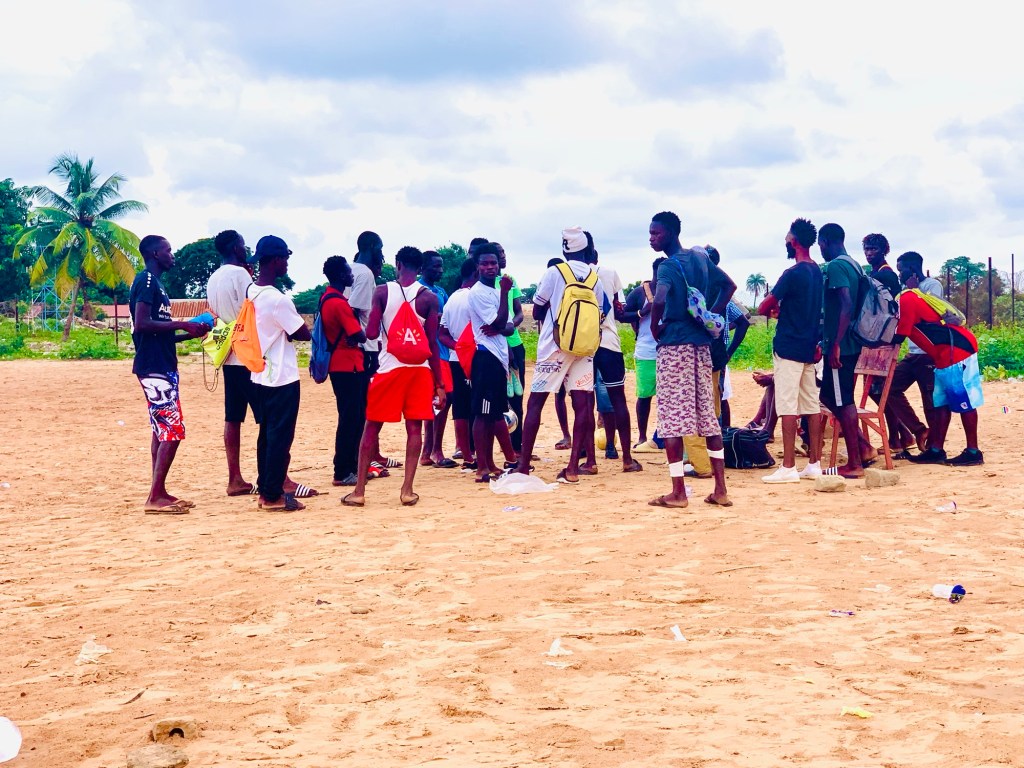
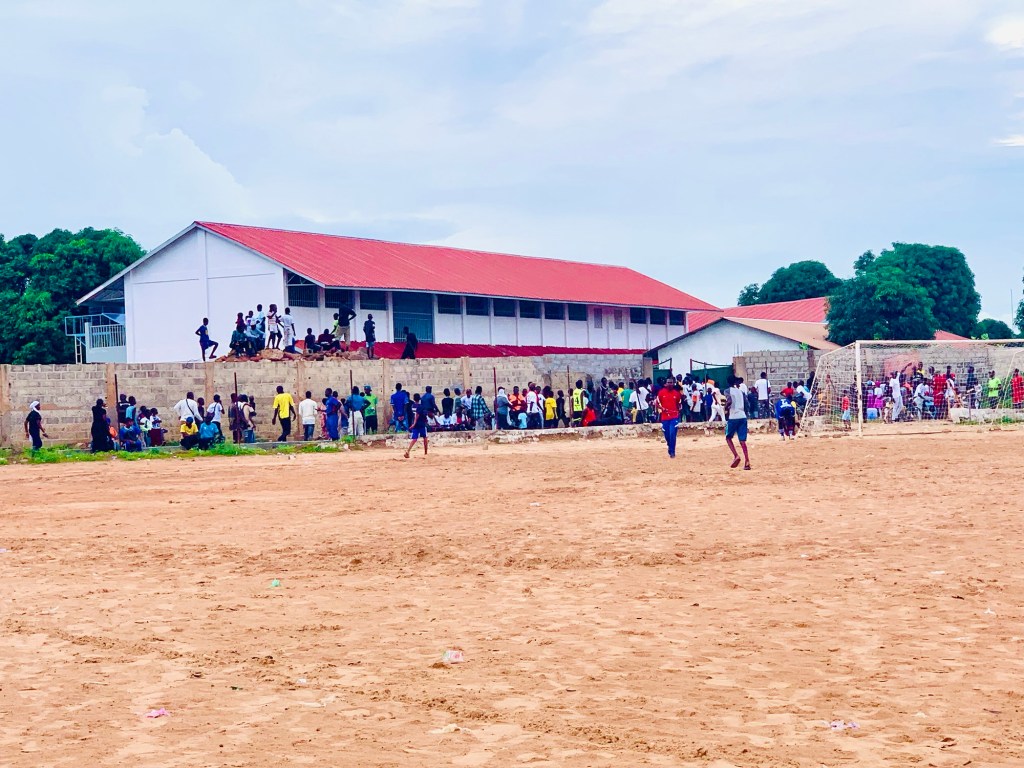
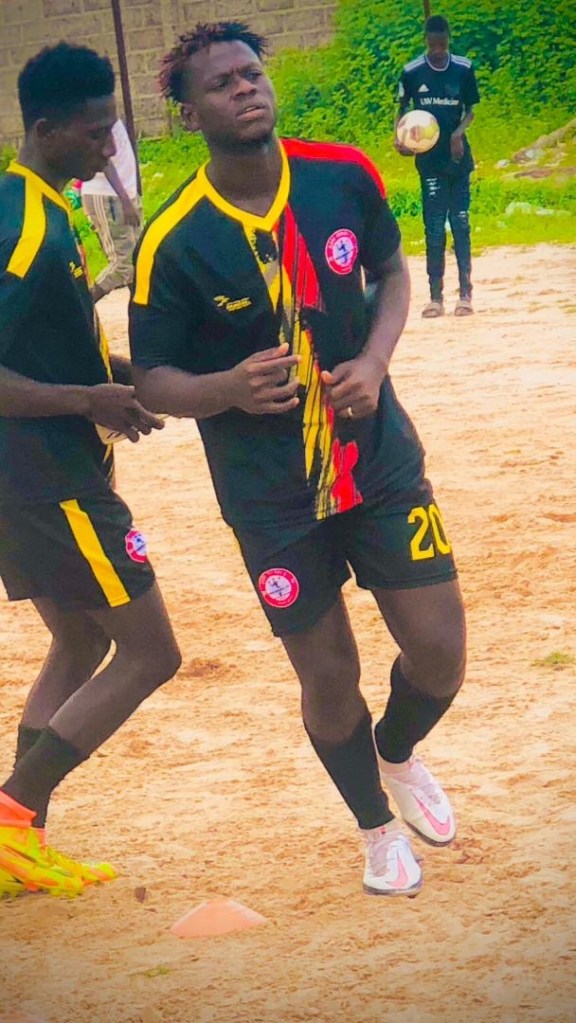
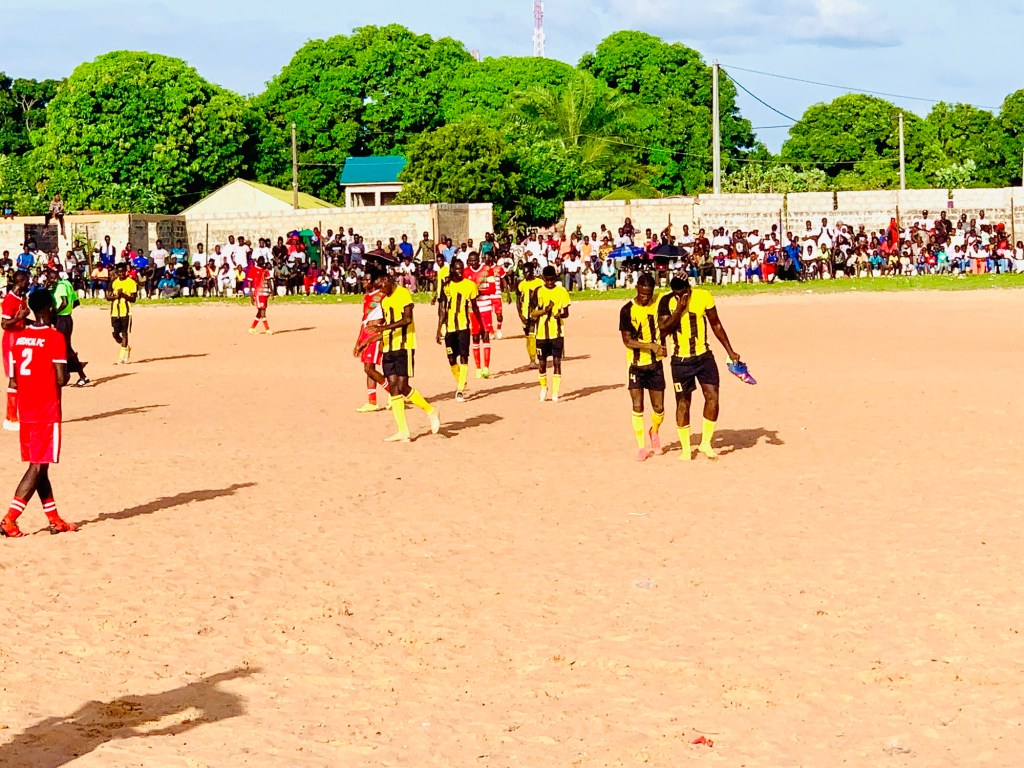
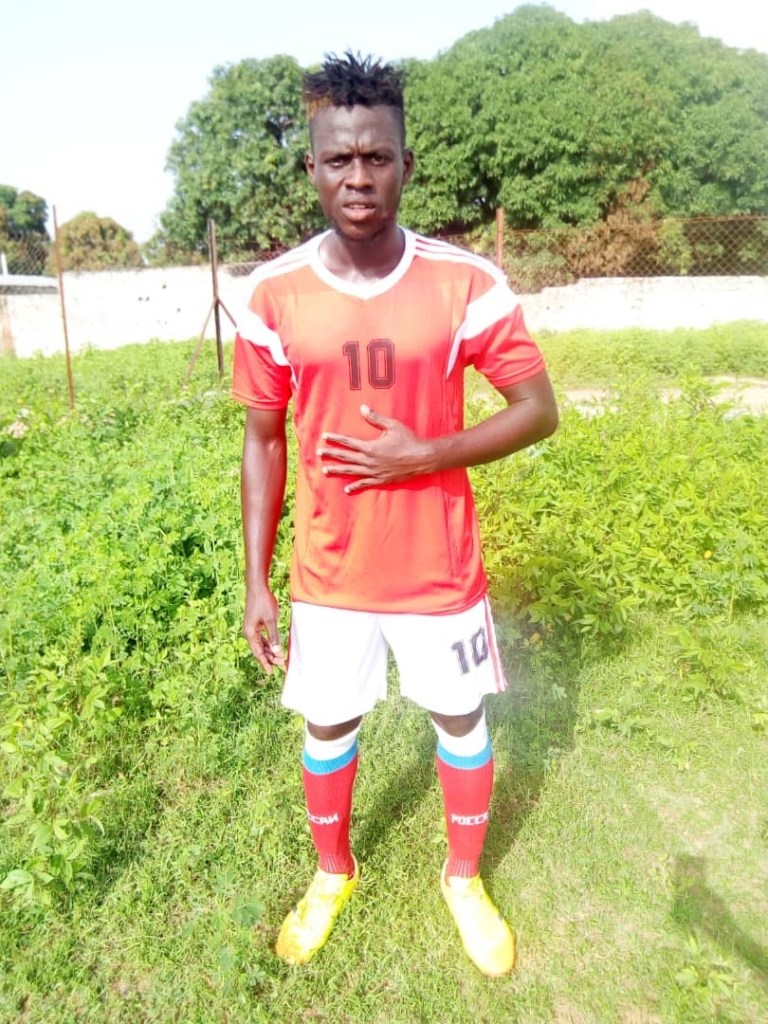
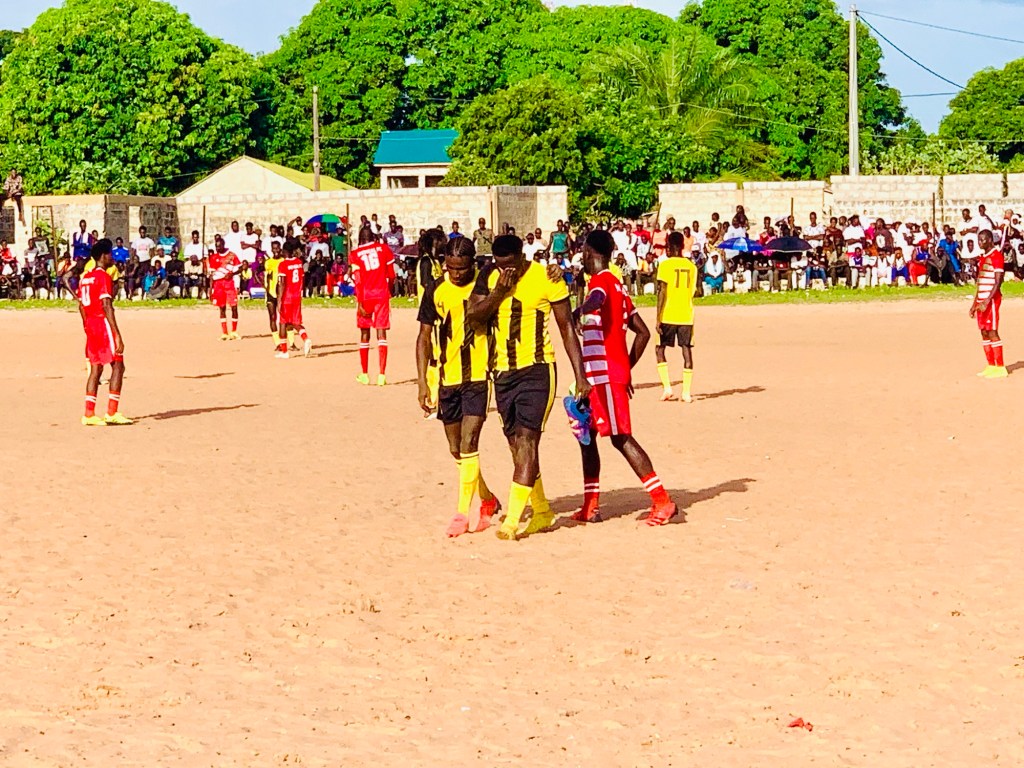
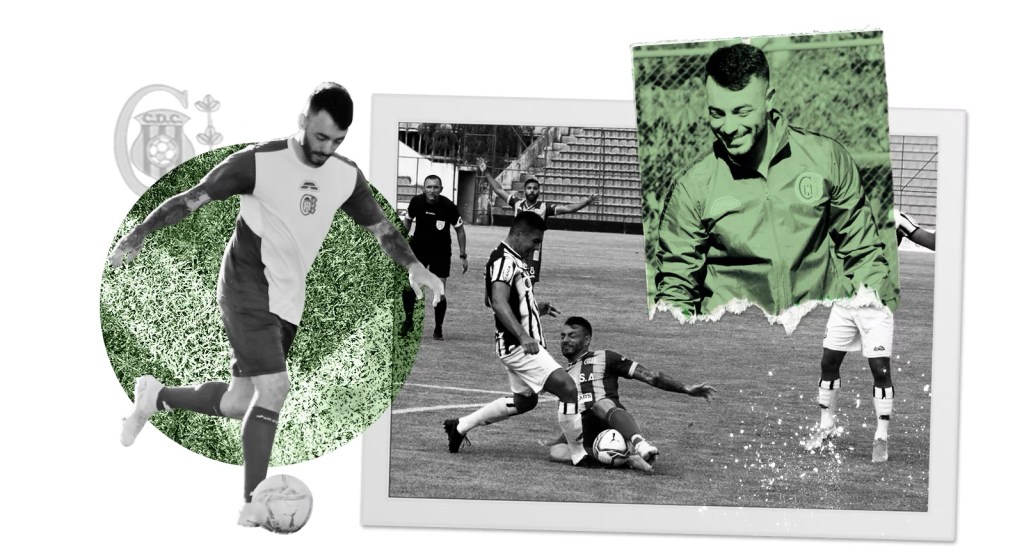
Rahman FC, formerly known as O.Jah Street, were caught in the midst of a violent incident during their final group game over the weekend against Quarreh.
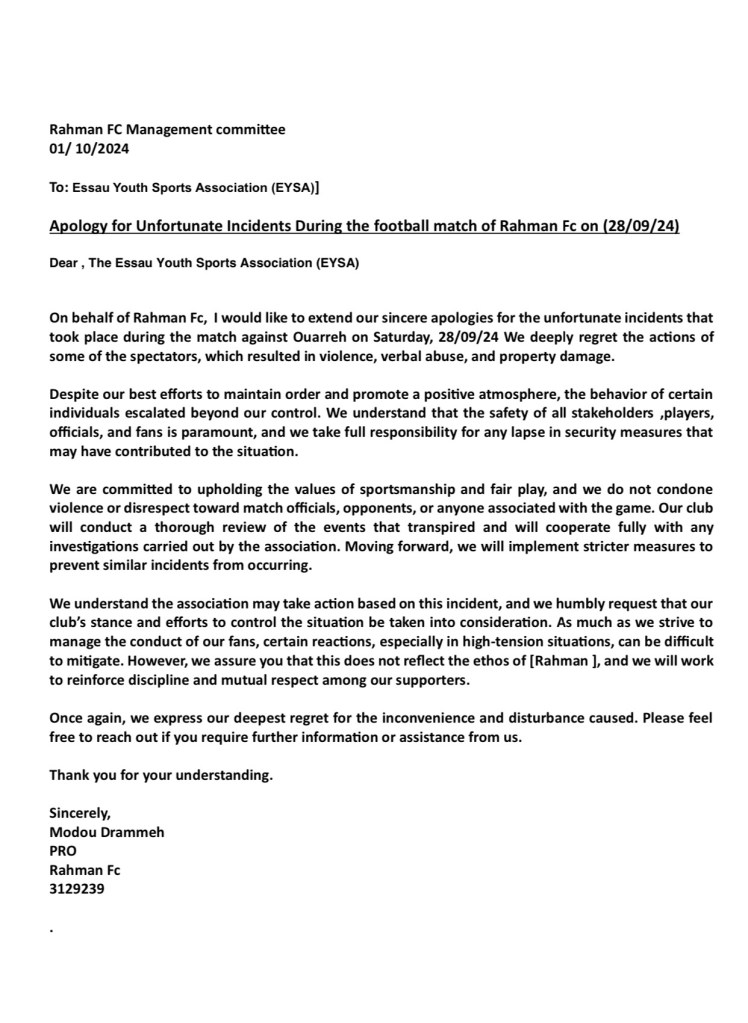
Essau, North Bank Region— October 1, 2024: Rahman FC has issued a formal apology to the Essau Youth Sports Association (EYSA) in response to violent and disruptive incidents that took place during their match against Quarreh on September 28, 2024. In a letter signed by the club’s Public Relations Officer, Modou Drammeh, Rahman FC expressed regret over the actions of some spectators that led to physical altercations, verbal abuse, and damage to property.
The match, part of the ongoing Essau Nawettan League, escalated beyond control when tensions among the crowd boiled over, despite efforts by the club to maintain order. According to the letter, Rahman FC acknowledged the lapses in security that may have contributed to the violence and expressed full responsibility for the safety concerns posed by the incident.
“We deeply regret the actions of some of the spectators, which resulted in violence, verbal abuse, and property damage,” the letter read. The club reiterated its firm stance against any form of violence or disrespect toward match officials, players, or fans, emphasizing its commitment to upholding the values of sportsmanship and fair play.
In response to the events, Rahman FC promised a thorough internal review and pledged full cooperation with any investigations conducted by the association. The club also noted its intent to implement stricter measures to prevent future incidents.
“We assure you that this does not reflect the ethos of Rahman FC, and we will work to reinforce discipline and mutual respect among our supporters,” the letter continued.
The Essau Youth Sports Association has yet to issue a formal statement regarding potential sanctions or penalties. However, Rahman FC humbly requested that their efforts to control the situation be taken into consideration, acknowledging that high-tension matches can sometimes provoke extreme reactions from fans.
The club’s management expressed its commitment to restoring calm and rebuilding trust within the community. “We express our deepest regrets for the inconvenience and disturbance caused,” the letter concludes.
Rahman FC’s Apology Letter to the Essau Youth & Sports Association Following Violent Incidents During Their Match Against Quarreh Over the Weekend!⬇️
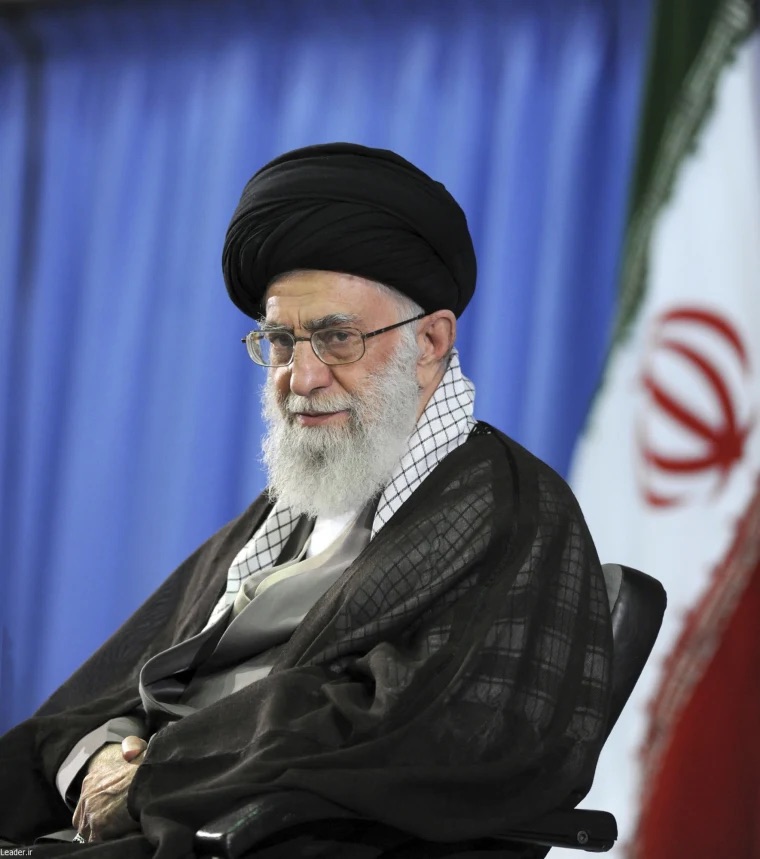
Iranian Supreme Leader Ali Khamenei spoke this morning, saying: “The Zionist entity is too small to deal a significant blow to Hezbollah’s strong structure.”
Khamenei stressed that “the fate of the region is determined by the resistance forces, led by Hezbollah”, and criticised Israel’s leadership, stating:
“The terrorist gang ruling the Zionist entity has not learnt a lesson from its criminal war in Gaza.” Expressing solidarity with Hezbollah, Khamenei said:
“All resistance forces in the region stand by Hezbollah and support it.”
“It is the duty of all Muslims to stand with the Lebanese people and Hezbollah to confront the malicious Zionist entity,” he further added.
Khamenei also condemned the killing of civilians in Lebanon, describing it as proof of “the ferocity and fury of the Zionist entity and the shortsightedness and stupidity of its leaders”.
Meanwhile, Iran is poised to approve the deployment of troops to Lebanon in the coming days, according to an Iranian official quoted by NBC.
“With public registration, officials will certainly grant permission for the deployment of forces to Lebanon and the Golan heights,” Ayatollah Mohammad Hassan Akhtari, Iran’s deputy for international affairs, said.
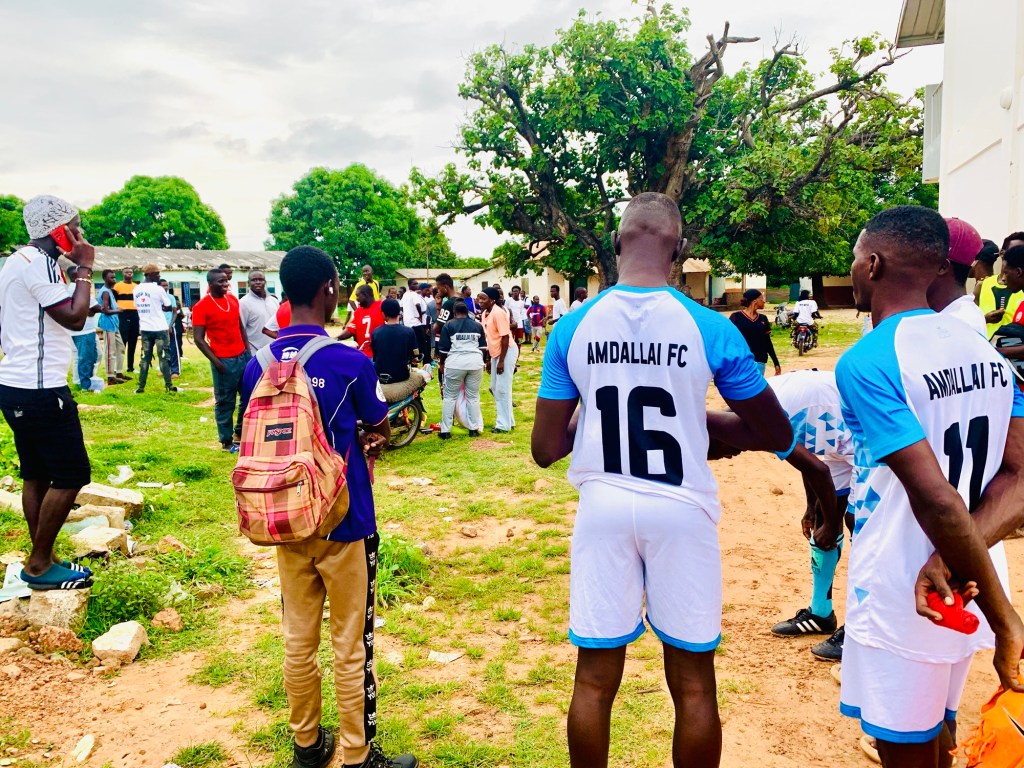
Player-coach Jegan, wearing number 16 on his back, was set to play his first match of the season today.
Following the abandonment of the highly anticipated match between Amdallai and Jambarr, Jegan Senghore, the player-coach of Amdallai, expressed his disappointment about the circumstances that led to this decision.
According to Senghore, since the start of this year’s Nawettaan season, Amdallai was permitted by the football association to use their player registration master list from the previous season. This arrangement allowed them to attach passport photos of the newly registered players for their opening game Juwany.
However, after their first match, the tournament’s [Nawettaan] match commissioner, Mr. Joof, informed Senghore that Amdallai needed to update their player registration master list, as all other teams in the competition had already done so. Before their second game, Mr. Joof reiterated this request, instructing Amdallai to complete the update before their third match.
Amdallai’s opponents, Jambarr, waited anxiously for the verdict regarding the match before its postponement.
According to Senghore, while Amdallai was willing to comply with this directive, the football association’s secretary, Ndey Cham—who was responsible for overseeing the process—was out of the country attending the Magal pilgrimage in Touba. As a result, the update to the player registration master list was delayed.
Upon Cham’s return, Senghore claimed to have traveled from Amdallai to Essau last Monday to submit the necessary documents, including the newly prepared passport photos, to finalize the new master list. However, Cham was unavailable at the time, and Senghore was informed that a committee member was temporarily handling Cham’s duties. Senghore proceeded to deliver the required documents to this interim official.
On the morning of the match [Wednesday], Senghore was contacted by the acting secretary to help finalize the transfer of the players’ passport photos to the new master list. Once again, he made another trip to Essau to ensure that the updated list would be ready in time for the match.
Despite completing the required paperwork and preparing for the match prior to kickoff, Senghore claimed that Secretary Cham later insisted that the new master list could not be used, and furthermore, that the newly registered players—who had already participated in the previous two games—could not be fielded. Senghore and his team objected to these terms, arguing that most of the players on the old master list were no longer with the team and that only nine players from that list were currently available for selection.
Fans were seen leaving the park as the delay continued, even before the game was officially postponed.
Despite their protests and pleas for the game to proceed with the new list, Secretary Cham maintained her position. As a result, Amdallai refused to play under these conditions, leading to the abandonment of the match. Senghore described the situation as unfair, especially since the directive to update the master list had come from the association’s matchday commissioners.
As of now, the football committee has not issued any official response or comment regarding the claims made by Amdallai’s coach or the controversy surrounding the match’s abandonment.
Nurses in England have voted to reject the government’s offer of a 5.5% pay rise, the Royal College of Nursing (RCN) has said.
Members of the RCN rejected the deal by two-thirds in a record high turnout of around 145,000.
The pay award for 2024-2025 was announced by the chancellor at the end of July, shortly after Labour won the general election.
In a letter to Health Secretary Wes Streeting, RCN general secretary Prof Nicola Ranger said nursing staff were determined to “stand up for themselves, their patients and the NHS”.
The RCN said the high turnout surpassed the level seen in two ballots for industrial action held by the union in 2022 and 2023, the first of which permitted six months of strike action by nursing staff.
The union argues that the pay of an experienced nurse fell by 25% in real terms under the Conservative governments between 2010 and 2024.
Prof Ranger said nurses “do not feel valued”, adding they were concerned by “understaffed shifts, poor patient care and nursing careers trapped at the lowest pay grades”.
As ministers prepare to set out a new health and social care agenda, Prof Ranger added: “The government will find our continued support for the reforms key to their success.”
She said the government will need “safe numbers of nursing staff” who “feel valued” if they are to “raise standards and reform the NHS”.
The announcement follows a vote last week by junior doctors to accept a multi-year pay rise to end their long running dispute.
ESSAU, North Bank Region — For many in the community, football is more than just a sport; it’s a way of life. Few embody that sentiment more than Ba Jim Jammeh, a local football stalwart whose journey from childhood matches to becoming the captain of Bani Israel FC has been a source of pride for fans and teammates alike. But as of last month, that chapter has officially closed.
“I’ve been playing for my community since I was a kid,” he reflects.
Starting with FIG, then progressing to Ndimbal Academy, Solar FC, and finally Bani Israel after a name change, his journey has been nothing short of remarkable.
His teammates and even opposing players embracing him during his final career match.
Over the years, he became a mainstay in the squad, known not only for his skill but for his leadership, which culminated in being awarded the captain’s armband.
Yet, as with every career, time waits for no one. Retirement had been lingering in his mind for months, though he chose to keep it secret, even from those closest to him, uncertain when the right moment will come to hang up his boots.
It was during their most recent Nawettan game against Medical, which ended in a 2-0 victory for Bani Israel, that the weight of his decision finally felt right.
Over the years, Ba Jim has been a key figure and a consistent presence in the Bani Israel team, serving as their main man.
At the team pre-match camp, he gathered his teammates and the coaching staff to deliver the long-held news: this would be his final game.
What followed was a wave of emotions that rippled through the team and the community.
“They were flabbergasted and left stunned,” he admits. “Emotional, even. They said I wasn’t any old to play, that I was at the peak of my career. But I had come to terms with it. It was time.”
The match itself unfolded in a dramatic fashion. Early in the game, he picked up an injury but powered through the pain, determined to finish what was about to be his career finale.
However, just before halftime, the toll became too much. As he signaled to be substituted.
“I couldn’t hold on any longer,” he admitted. “I decided to call my game off—not just for the evening, but for good.”
Ba Jim received a perfect send-off in his final game, marking a memorable farewell.
As he left the pitch, his teammates and even opposing players came over to embrace him, offering hugs and words of appreciation. The park—packed with fans—began to sense that something monumental was happening and this was no ordinary substitution. It wasn’t just the end of the match; it was the end of an era.
The crowd, including fans from both teams, rose in applause. Their cheers echoing through the park in recognition of a journey well spent. “I felt emotional,” he says, his voice heavy with sentiment.
“It was the most emotional moment of my entire life.”
His exit from the pitch was a poignant moment. Carried off by his teammates, he was embraced by his coaches, tears flowing as the fans sang his name, many wearing T-shirts emblazoned with his photo.
“I couldn’t have imagined a better farewell,” he recounts.
“The love and support I received that night from the team, the fans, and the entire Bani Israel community meant the world to me.”
Ba Jim was in tears, overcome with emotion as he walked off the pitch.
His exit from the game was marked by waves of love and gratitude from everyone who had watched him grow from a young talent into a seasoned captain.
In the days following his retirement, he received countless phone calls and messages each one offering love and well-wishes. It was, he admits, the perfect ending to a career he devoted his formative life to.
Yet, despite the flood of emotions, this decision was not one made lightly.
“Football has always been my life,” he says.
But with marriage, a young child and now business demanding more of his time, he began to realize that he couldn’t continue giving his all to the game.
“It’s not about my age,” he clarifies. “It’s the circumstances. I wish I could continue, but life moves on.”
Ba Jim is affectionately nicknamed ‘Messi’ due to his exceptional technical ability.
So what comes next Ba Jim?
While his playing days are behind him, his passion for football remains undiminished. Looking ahead, his ambition is to stay connected to the sport through a new role: coaching.
He planned to form a youth team in his community, using his years of experience to guide the next generation of players.
“I’ve started an under-15 youth team in my community, and I’m their coach. My hope is to use the experience I’ve gained over the years to inspire the next generation of players and give back to the community that has supported me throughout my career.”
As Bani Israel’s football icon steps away from the pitch, he leaves behind not just memories but a legacy of leadership, passion, and community spirit. Though his boots are hung up for good, his story in football is far from over.
With his boots in hand, he finally hung them up in a perfect send-off farewell.
________________________
Football, perhaps the most primal endeavor on earth, embodies more than just a cliché—it defines the essence of the sport.
As Bani Israel prepare to face Siboo FC tomorrow in a crucial group-stage decider, a local legend will be watching from the sidelines—his former team fighting for victory—for what is likely the first time in his life. It marks the final chapter in a long, storied career that shaped the identity of Bani Israel FC.
Will his now-former teammates rise to the occasion and deliver a victory worthy of the ultimate tribute—a farewell beyond perfection—to his illustrious career? Only time will tell if they can script the perfect farewell.
Player X. You might not know who he is. Legally, we can’t tell you who he is. As is routinely the case, he’ll be available for selection in the Premier League this weekend. Thousands watching him are none the wiser.
More than two years ago — 803 days, to be precise — player X was arrestedand taken into police custody. The date was July 4, 2022, and he was detained on suspicion of rape. Three women have accused him of sexual offences against them.
The investigation into his alleged crimes has been running so long that he was bailed five times before his bail was lifted in August of last year. He remains under investigation but, to date, has never been charged. Likewise, he has never been named either.
Plenty of people know who we’re talking about, though, and he’s been targeted via the chants of opposition fans. Despite that, privacy laws in the UK mean it would be a criminal offence for The Athletic to publish anything which identifies him, or could identify him.
What we have, then, is a footballer accused of horrific offences who retains the right to anonymity and is free to continue his Premier League career. His club haven’t suspended him. Football’s authorities haven’t intervened. It’s almost as if the claims against him don’t exist.
Rule of law
The Metropolitan Police, the UK force investigating, is not attempting to hide the alleged crimes themselves. In August 2023, a statement from the constabulary outlined the bare facts:
The player was arrested on suspicion of one incident of rape against a woman in June 2022.
After his arrest, and while in custody, he was accused of two more incidents of rape against a different woman, occurring in April and June 2021.
In February 2023, he was interviewed under caution about a sexual offence against a third woman, which allegedly took place in February 2022.
No meaningful update has been provided since and the police have said no further action will be taken over the 2021 allegation. The investigation into the other two complaints remains live.
Why is this so secretive?
If the anonymity of the player is confusing, there’s a reason for it. We’ve compiled a long explainer here. In the UK, arrested suspects are generally entitled to anonymity until they are formally charged. The law here is different in that respect to the law in the United States, for example.
Anybody identifying them on social media or online risks prosecution — hence why the comments section on The Athletic’s coverage of criminal matters is often closed.
If this footballer does face charges, he’ll be named. That will only happen if and when the police believe they have enough evidence to ask the Crown Prosecution Service (CPS) to send him to trial.
Until then, his name will remain private. It doesn’t matter if that seems unsatisfactory. It’s simply the law. And in the meantime, you could be cheering this man without any knowledge of what lies behind his public image.
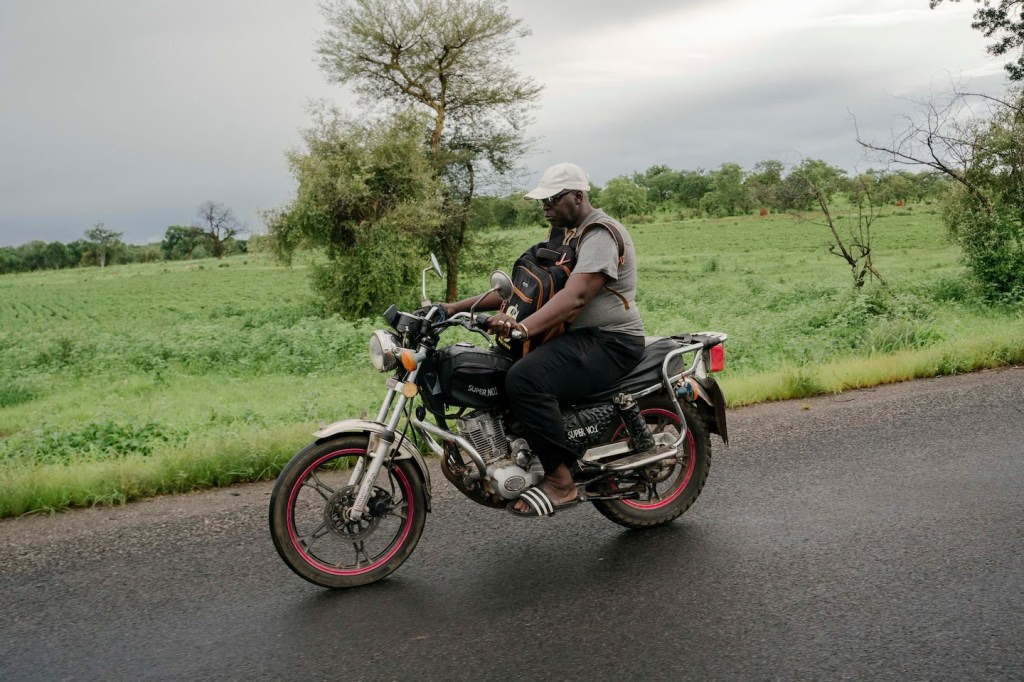
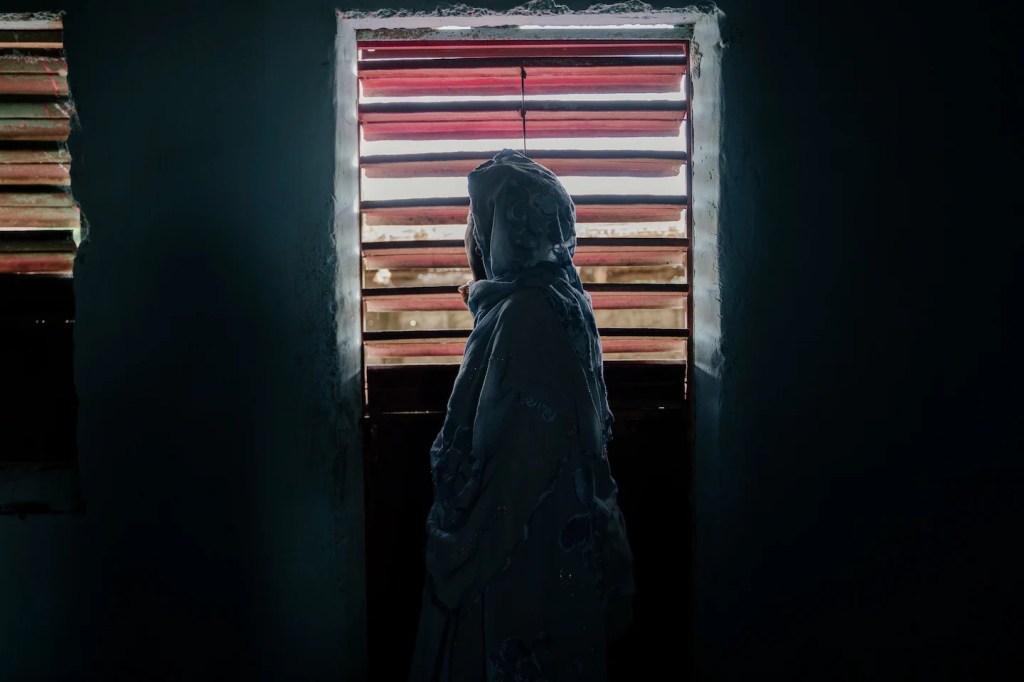
Momodou Keita is back on patrol after his work triggered a debate over genital mutilation that convulsed Gambia and attracted broad international attention.
Momodou Keita, a 51-year-old father of five and informal detective in Gambia’s fight against female genital cutting, patrols on his motorbike named “Super Star.” (Carmen Yasmine Abd Ali for The Washington Post)
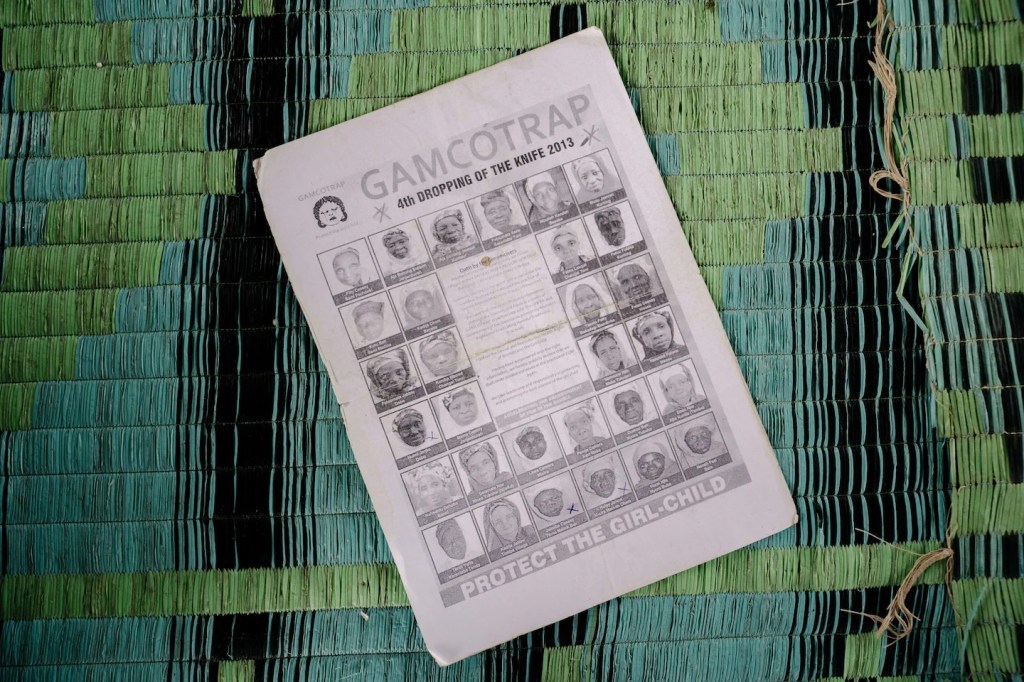
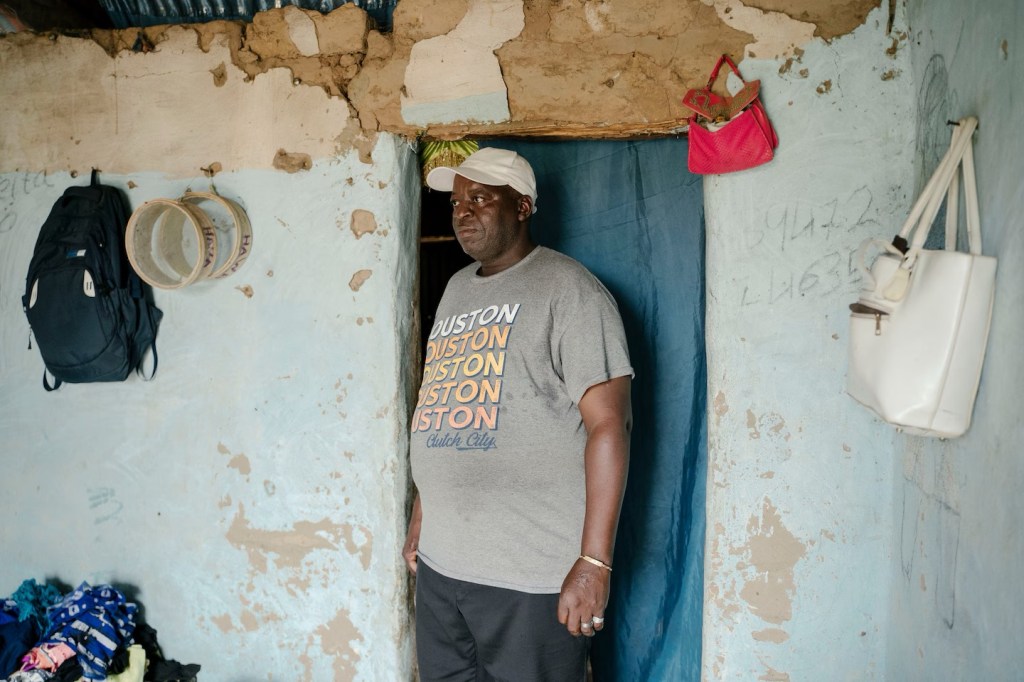
WASSU, Gambia — Momodou Keita, a burly, middle-aged man with a mission, sketched out the day’s route in his notebook. Then he grabbed his backpack containing the flier with headshots of 30 women — all suspects — and hopped on his motorbike.
This would be a full day of detective work, and his first stop was the home of Oumu Bah, whose faded photo showed an elderly woman with her mouth set in a grim line. He’d made sure she didn’t know he was coming. The key to the job, he said, is surprise.
In this part of Gambia, Bah had earned a reputation as one of the main practitioners of female genital cutting. During one ceremony at her modest house, Bah said, she had cut 30 girls at one time. She had later promised to abandon the practice, which is illegal but still widespread in this West African nation. Keita’s job is making sure Bah remains good to her word.
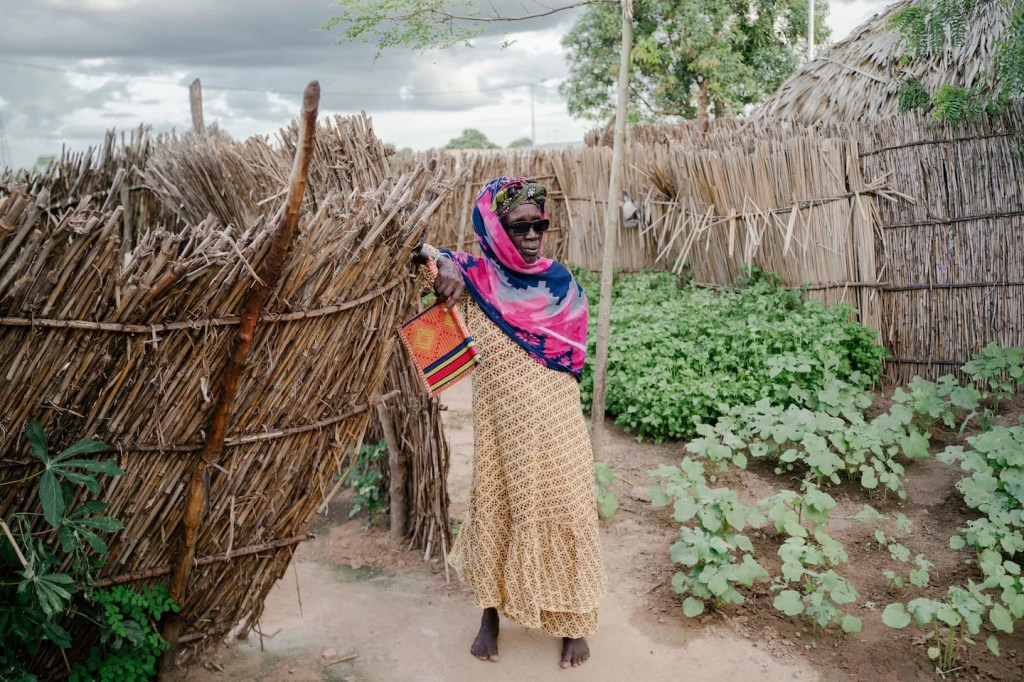
Oumu Bah in the courtyard where she once practiced female genital cutting, which she learned from her grandmother. (Carmen Yasmine Abd Ali for The Washington Post)
It was Keita’s work that triggered the debate that had convulsed Gambia over the past year and attracted international attention to female genital cutting, which affects 75 percent of women and girls in Gambia and more than 200 million women and girls worldwide. For 15 years, Keita has worked for one of Gambia’s premier women’s rights groups, carrying out quarterly patrols monitoring women who had once been the region’s most active cutters, looking for clues of recidivism.
Over the years, Keita said, he had learned the secrets of successful sleuthing:
Maintain a network of informants, and protect them.
Talk to the children. They are in the know and can be won over with sweets.
Always check the bathroom, often the scene of the crime.
As Keita pulled into Bah’s compound shaded by a neem tree, he slowed his motorbike, kicking up dust as he parked just outside her door. He gave his horn a loud beep.
“Keita! Keita! Keita!” came Bah’s voice from inside.
He hopped off the motorbike and rushed through the door.
Call from an informant
An informant who warned Keita in late 2022 of a planned session of female cutting. The case led to a national debate over the practice. (Carmen Yasmine Abd Ali for The Washington Post)
It was a call from one of Keita’s most trusted informants in late 2022 that had launched a nearly year-long fight over female genital cutting in this nation of 2.5 million, including a bill in parliament to repeal Gambia’s ban on the practice. The bill, which would have been a global first, was thrown out by lawmakers in July but sparked fears about renewed tolerance for cutting, widely known as female genital mutilation (FGM).
Keita’s informant had whispered into the phone as she gave him the news: One of the women on his beat was planning to cut eight girls. It was December, a high-risk season when girls are out of school and often go back to their family’s villages. Keita drove directly to the scene.
“Let me tell you one thing,” Keita recalled saying to the woman, Yassin Fatty. “Don’t do it.”
Keita, 51, has a sense of purpose that can verge on hubris, sometimes declaring that he will personally end FGM in Gambia. But those who have known him for decades say he is sincere. He started volunteering with the Gambia Committee on Traditional Practices Affecting the Health of Women and Children (GAMCOTRAP) in 2007, horrified after learning of FGM cases that led to excessive bleeding and even death. He also started thinking about his private life and wishing that his wife, who had been cut as a girl, experienced more pleasure when they were intimate.
Keita, now the group’s regional coordinator, was with his family when the informant called again a month later: “Come now. It is happening.”
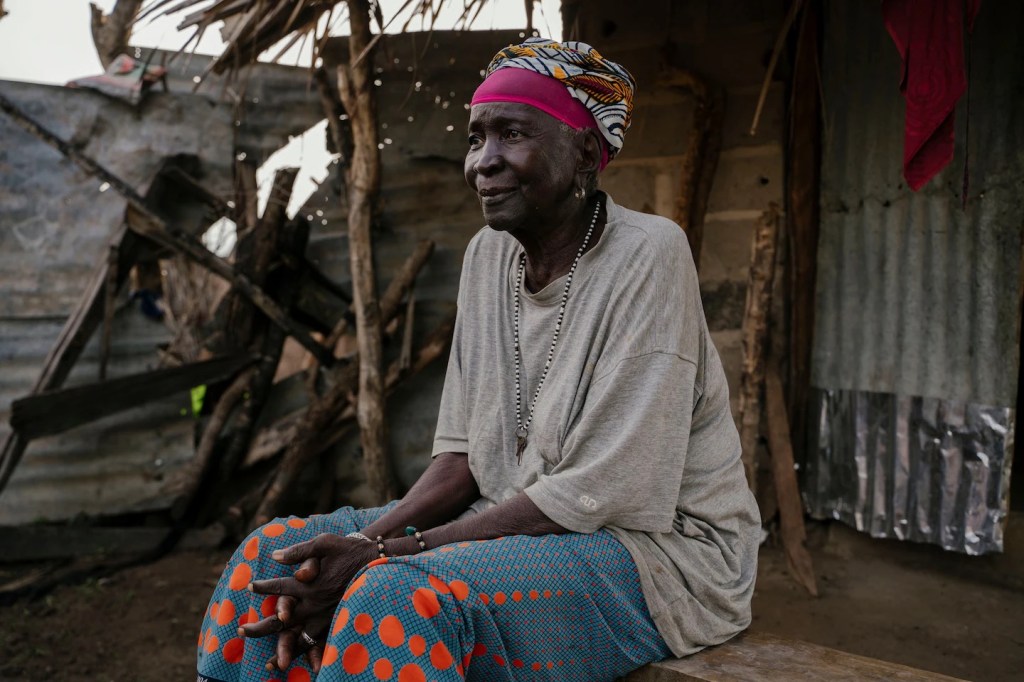
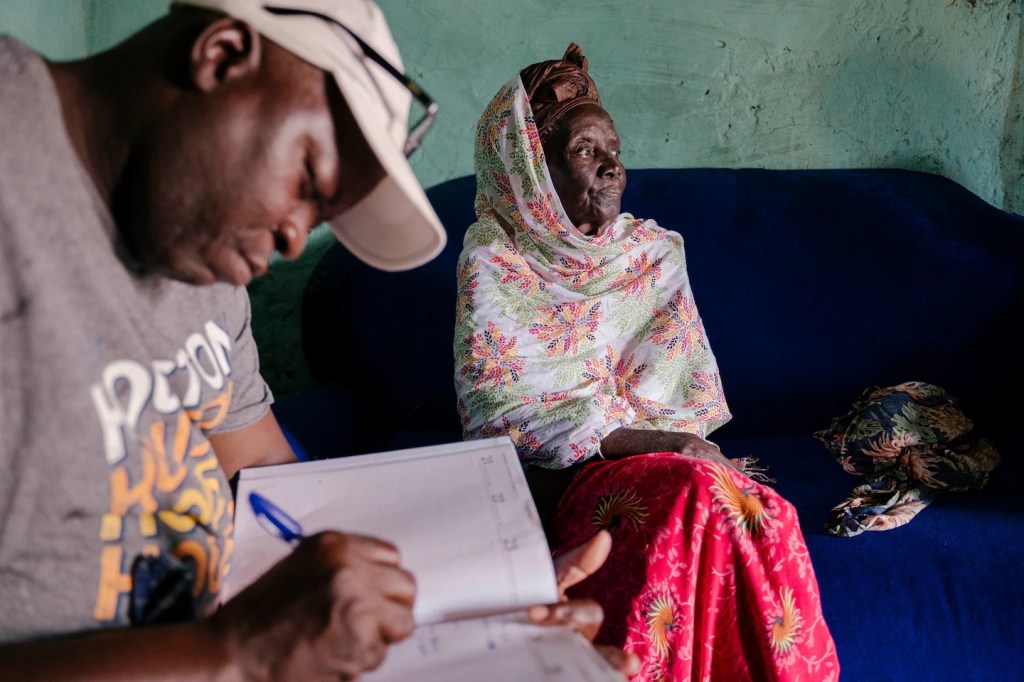
Yassin Fatty, 86, was found guilty, along with the mothers of several girls, of violating Gambia’s law banning female genital mutilation. Here, she sits in her compound in Wassu. (Carmen Yasmine Abd Ali for The Washington Post)
When he arrived, he could hear girls crying. A woman opened the door, and he barged in. One mother rushed out the back door, holding her daughter. Already, two girls had been cut, Keita said, recounting the episode.
“Forgive me,” Fatty said.
“You will face the law,” said Keita. He went directly to the police.
It took six months for the case to be tried in court, where Fatty and the girls’ mothers were found guilty of violating the law banning FGM and sentenced to one year in prison or a fine of about $215.
That’s when the news spread.
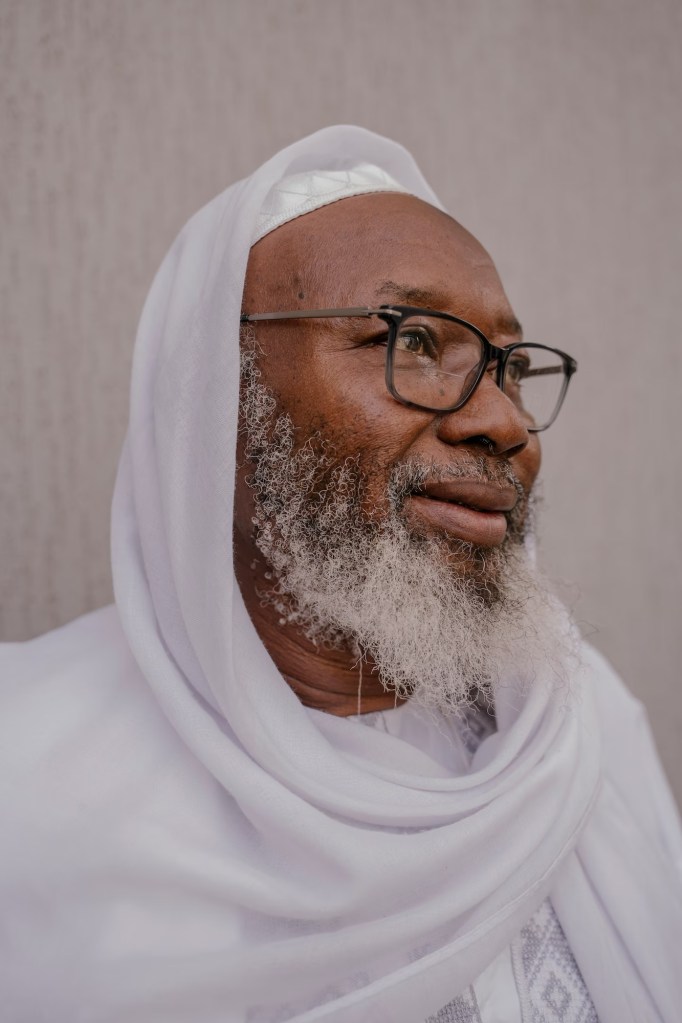
One of Gambia’s most prominent imams, Abdoulie Fatty, traveled to the women’s village to pay their fines and declared the FGM ban “a fight against Islam.”
Imam Abdoulie Fatty, who decried the case against Yassin Fatty and has spoken against Gambia’s ban on FGM. (Carmen Yasmine Abd Ali for The Washington Post)
“We want to tell them that anybody who blew the whistle on these women,” Abdoulie Fatty said, “we will curse them until we leave this world to ensure that Allah destroys them.”
(Contrary to Fatty’s preaching, many Muslim leaders have condemned FGM, which is rare in many Muslim-majority countries.)
Keita said he heard that people had begun cursing him with black magic. He stopped riding his motorbike at night, fearing attack.
Surprise inspection
A flier issued by the Gambia Committee on Traditional Practices Affecting the Health of Women and Children, or GAMCOTRAP, showing 30 women who pledged to stop practicing FGM. (Carmen Yasmine Abd Ali for The Washington Post)
After entering Bah’s two-bedroom home, Keita shook her hand, then quickly brushed past her, toward the curtains concealing the outside area used as a bathroom. He pushed them aside for a clearer view.
Bah, who put her age between 65 and 80, had been trained to cut girls when she was a teenager, by her grandmother. And it was in that bathroom area, surrounded by thatched-reed walls, where Bah had carried out the mass circumcision ceremony. It had been followed by a celebration that included dancing and a feast. The girls’ mothers paid Bah and brought her gifts of rice, oil and meat.
After deeming the outdoor bathroom all clear, Keita asked Bah whether anyone had been encouraging her to resume cutting. On the way to her home, he had passed two young men he’d earlier seen preaching at the local mosque, urging people to continue their traditions and practice FGM.
“No,” said Bah.
Keita in his home in Wassu. (Carmen Yasmine Abd Ali for The Washington Post)
She insisted that she had refrained from cutting since 2013, after learning about its impacts — including infections, loss of pleasure and complications during childbirth — from Keita and Isatou Touray, GAMCOTRAP’s co-founder and Gambia’s former vice president. Bah and the other 29 women on Keita’s list, who had laid down their knives, had received the equivalent of $85 to start their own businesses to replace the money they’d made from cutting.
“We have in our minds that we will never do this again,” she said, “so we will not listen to anyone who tries to convince us otherwise.”
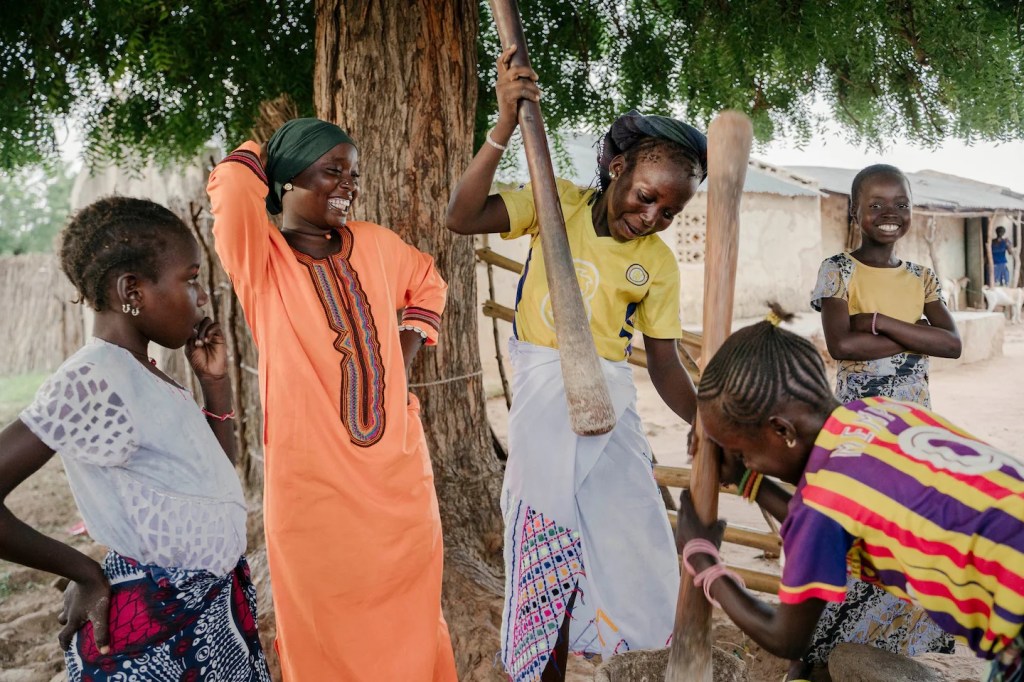
Girls working in front of the house of Oumu Bah during a monitoring session by Keita. (Carmen Yasmine Abd Ali for The Washington Post)
As he left, Keita said he believed Bah.
“But a human being can’t trust 100 percent,” he added, noting that he had trusted Yassin Fatty. She, too, had promised to abandon the practice and been compensated by the group, but then she was caught in the act.
“She betrayed me.”
Unrepentant
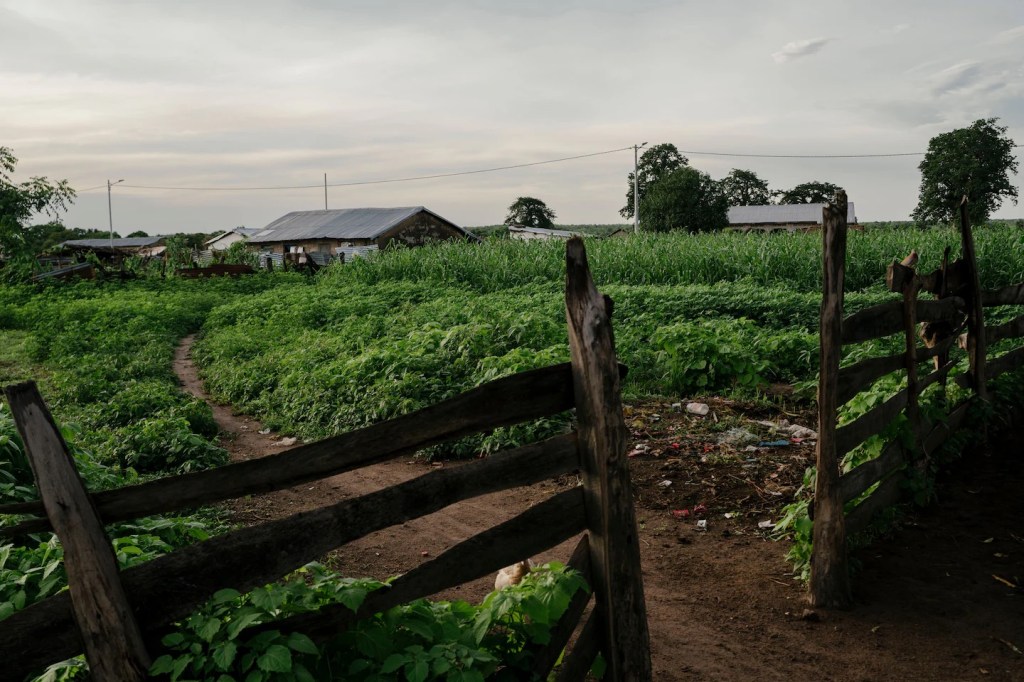
A view from the compound of Yassin Fatty. (Carmen Yasmine Abd Ali for The Washington Post)
When a Washington Post journalist stopped by Yassin Fatty’s compound late last month, the old woman grabbed the visitor’s hand and led her to a bench in the courtyard. Fatty wanted to tell her side of the story.
It was true that she had cut the girls, she said, and that Keita had warned her not to.
But she said her family had been struggling and needed money. The bakery she had built with GAMCOTRAP’s money had long ago folded. Now, her eyesight was failing, and she found it difficult to walk on her own.
Fatty seemed confused about details. At one point, she said she had never stopped practicing FGM, but later said she had done it only once in the past decade, and that was the time when she was caught.
On one point, however, she was clear: “I felt this was tradition and something that was right.”
The missing suspect
Keita talks with Aja Mamare Baldeh, a 77-year-old local women’s leader who has been working with GAMCOTRAP since 1996. (Carmen Yasmine Abd Ali for The Washington Post)
After Keita pulled away from Bah’s house and continued on his rounds, there was a fleeting moment of alarm.
He drove up unannounced to Penda Camara’s yard and discovered she was missing. A young woman stared blankly when he asked where Camara was. He asked again.
She motioned toward the fields. Keita asked where exactly, barely waiting for a reply before setting off, his head swiveling.
“I don’t know if I believe it,” he muttered as he zigzagged through the millet field, fearing Camara had broken her word.
Penda Camara, 80, who was once showered with gifts after leading cutting ceremonies but is now having trouble making a living. (Carmen Yasmine Abd Ali for The Washington Post)
Then Camara, a petite 80-year-old, popped her head up. “Keita,” she exclaimed, slinging a hoe over her shoulder.
She promised him she had not returned to cutting and did not plan to. But she also said that she was having trouble making a living and that her husband was sick.
She asked Keita for more financial support. He agreed to let his group know.
Keita told her he would be back.
Then he hopped on his motorbike, heading through peanut and corn fields, toward the next suspect.
— Washington Post.
Momodou Sowe & Abdallah Khabib Jallow contributed to this report.
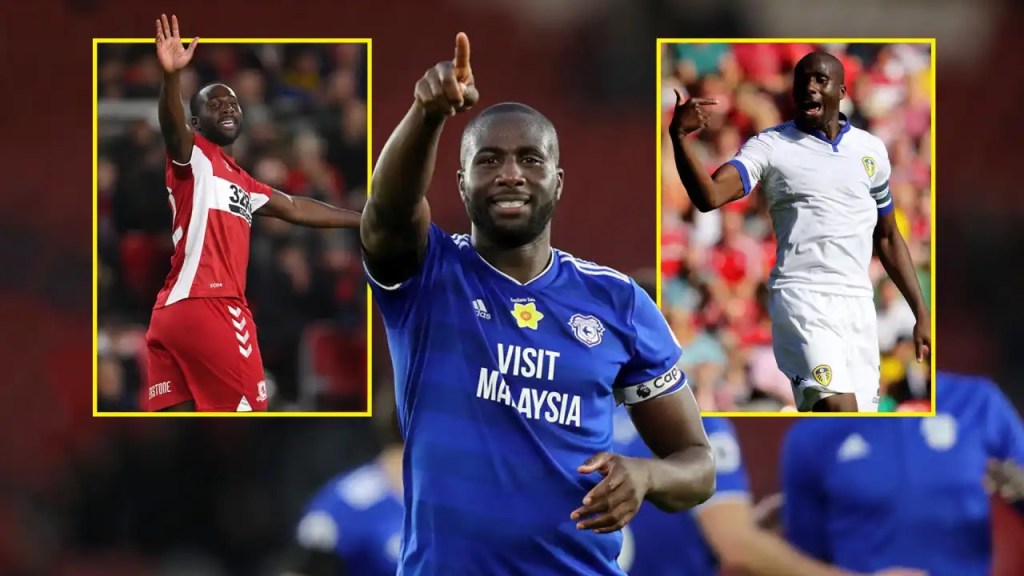
Sol Bamba has tragically passed away at the age of 39.
The former defender was a popular figure in English football having played for Leicester, Leeds United, Cardiff City and Middlesbrough.
Sol Bamba [right] has sadly passed away at the age of 39 [Credit: Rex]
Since retiring, Bamba moved into coaching and worked with former club Cardiff as assistant manager.
He then joined Turkish side Adanaspor, where he has been working as the club’s head coach since the summer.
Announcing the news on social media, Adanaspor wrote: “Our Technical Director Souleymane Bamba, who fell ill before the Manisa Football Club match played yesterday, was taken to Manisa Celal Bayar University Hospital and unfortunately lost his battle for life there.
“Our condolences to his family and our community.”
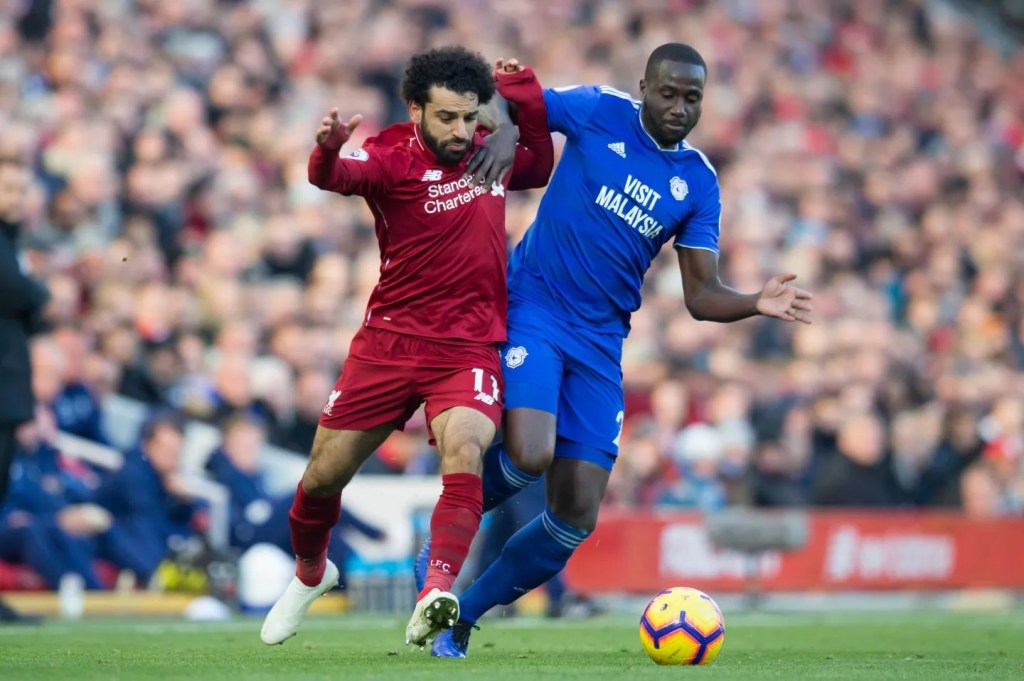
Bamba was an inspirational figure at Cardiff, helping the Bluebirds win promotion to the Premier League in 2018 and making more than 100 appearances for the club.
Cardiff wrote on social media: “It is with the deepest sadness that we have learnt this evening about the passing of Club legend, Sol Bamba.
“As a player and coach, Sol’s impact on our football club was immeasurable. He was a hero to all of us, a leader in every dressing room and a true gentleman.
“Our thoughts are with his friends, family and everyone lucky enough to know and love Sol.”
Bamba’s former club Leeds also paid tribute, writing on X: “Everyone at #LUFC is devastated to learn of the news that former #LUFC captain Sol Bamba has passed away.
“Our thoughts and condolences are with his family and friends at this tragic time. Rest in peace, Sol, you will be forever in our hearts.”
Bamba was best known for his time with Cardiff City
Middlesbrough also paid tribute, writing: “We are devastated to learn of the passing of Sol Bamba at the age of 39. Our thoughts are with Sol’s family and friends at this time. RIP Sol.”
Meanwhile, talkSPORT’s chief football correspondent Alex Crook wrote: “Just seen the devastating news about Sol Bamba.
He enjoyed a very close relationship with Neil Warnock [Credit: PA:Press Association]
“Shocked and saddened in equal measure. One of the nicest guys I’ve ever met in football. Truly heartbreaking. RIP my friend.”
Having grown up in Paris, Bamba started his career with Paris Saint-Germain’s youth setup before heading to Scotland where he played for Dunfermline and then Hibernian.
In 2011, he joined Leicester City, where he played under the late Sven-Goran Eriksson, a man who had previously managed him with the Ivory Coast national team.
Spells with Trabzonspor and Palermo followed, before the defender joined Leeds United in 2015.
Bamba moved to Cardiff City in 2016 where he formed a close relationship with his manager Neil Warnock.
It was during his time in Wales that Bamba was diagnosed with Non-Hodgkin lymphoma and spent four months undergoing chemotherapy before making a triumphant return in the final match of the 2020/21 season.
Bamba then joined Middlesbrough, who were managed by Warnock, for the 2021/22 season.
He made 28 appearances and scored the winning penalty in the FA Cup fourth round clash with Manchester United at Old Trafford before retiring as a player that summer and moving into coaching.
He joined Middlesbrough where he scored a penalty kick to knock Man United out of the FA Cup at Old Trafford [Credit: Getty]
talkSPORT.com sat down with Bamba to reflect on his iconic career in 2023 – and he spoke of the winning penalty with all the personality that made him such a beloved figure in the game.
The former defender said: “People said that I was cool, laughing and stuff like this but having gone through what I did the year before, I was just happy to be there.
“Don’t get me wrong, I didn’t want to miss it but even if I did, it wasn’t the end of the world.
“I’ve been through difficult times so I just wanted to be there and enjoy it and luckily it went in.
“After that it was just pure joy. That’s why you play football for moments like that – knocking out Man United, one of the biggest clubs in the world.
“The party after that – they partied for two days, but I didn’t get involved in that, I just went home with the missus!
“But it was great and that’s what football is about.”
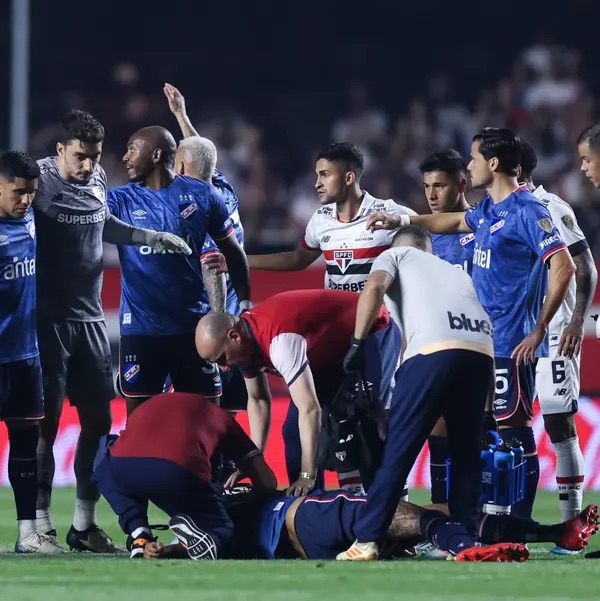
Juan Izquierdo, a 27-year-old Uruguayan soccer player, died on Tuesday, days after collapsing on the field during a match.Credit. Alexandre Schneider/Getty Images
Juan Izquierdo, a Uruguayan soccer player who collapsed on the field during a game in Brazil last week, died on Tuesday, his team said.
Izquierdo, 27, was playing for Nacional, a Uruguayan club, in the Copa Libertadores, a top South American tournament, when he suffered cardiac arrhythmia, or an irregular heartbeat, and cardiac arrest on Aug. 22, his team said. They were playing against the Brazilian team São Paulo.
Players from both teams appeared shocked and distressed at the Morumbi stadium as Izquierdo was placed in an ambulance and rushed to a hospital.
Nacional said doctors at a hospital in São Paulo put Izquierdo in intensive care and placed him on a ventilator. The episode also affected his brain.
Izquierdo started his professional career in 2018. This was his second stint for Nacional, one of Uruguay’s top soccer clubs. He was married with two children, according to the Montevideo-based team.
ASUNCIÓN, Paraguay — The undercover agents ducked into a squat brick house in a residential neighborhood.
The building — secretly rented by the U.S. Drug Enforcement Administration — was now the headquarters of what had become one of Latin America’s most important drug-trafficking investigations. It was not going well.
The handful of American and Paraguayan agents had been assigned to find the man at the center of a new transnational drug cartel dispatching boatloads of cocaine to Europe. The agents had been sealed off from the rest of the police to avoid leaks. But after months of work, they still knew little about their target, except that he was dangerous and well-connected.
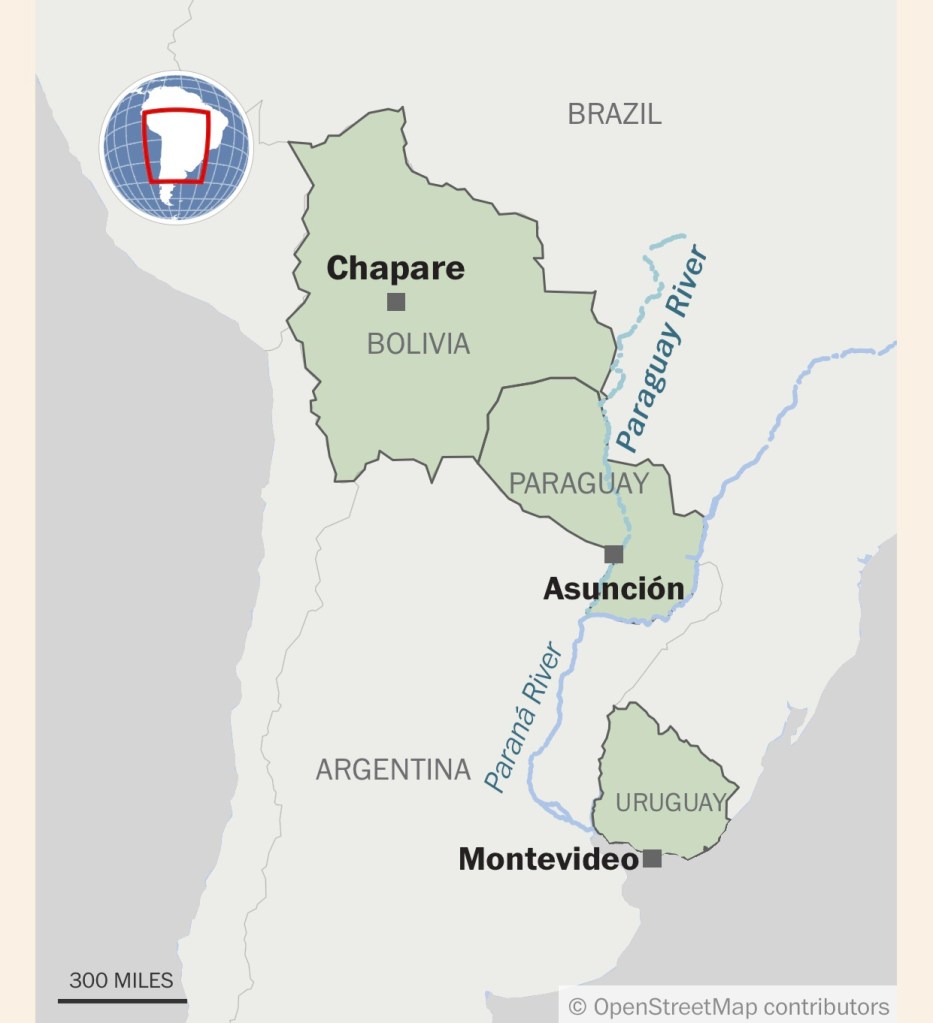
Then, one day in 2021, the agents got a tip. The man at the center of the new cartel was about to board a private jet at Silvio Pettirossi International Airport, just outside Asunción, the capital.
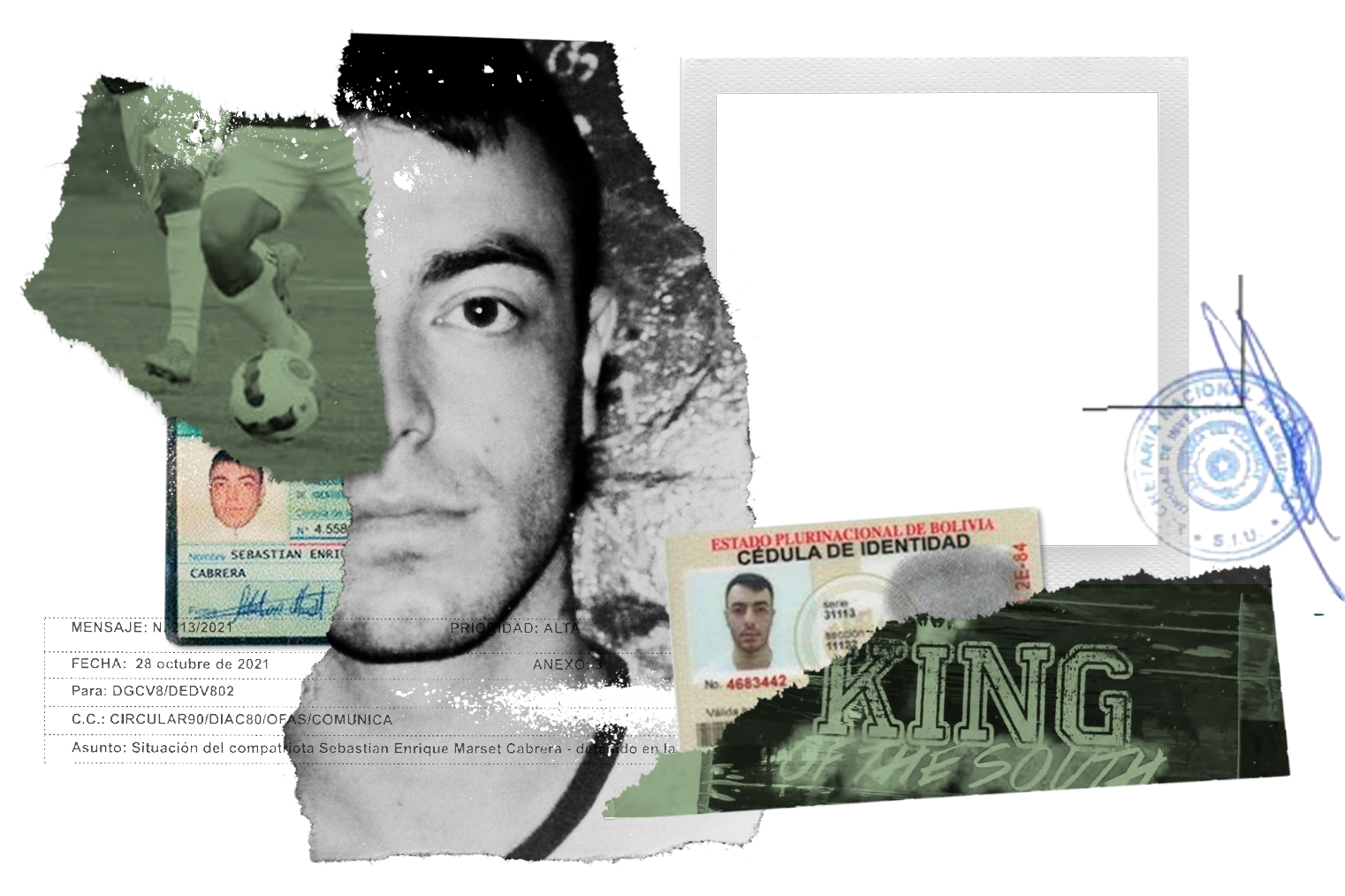
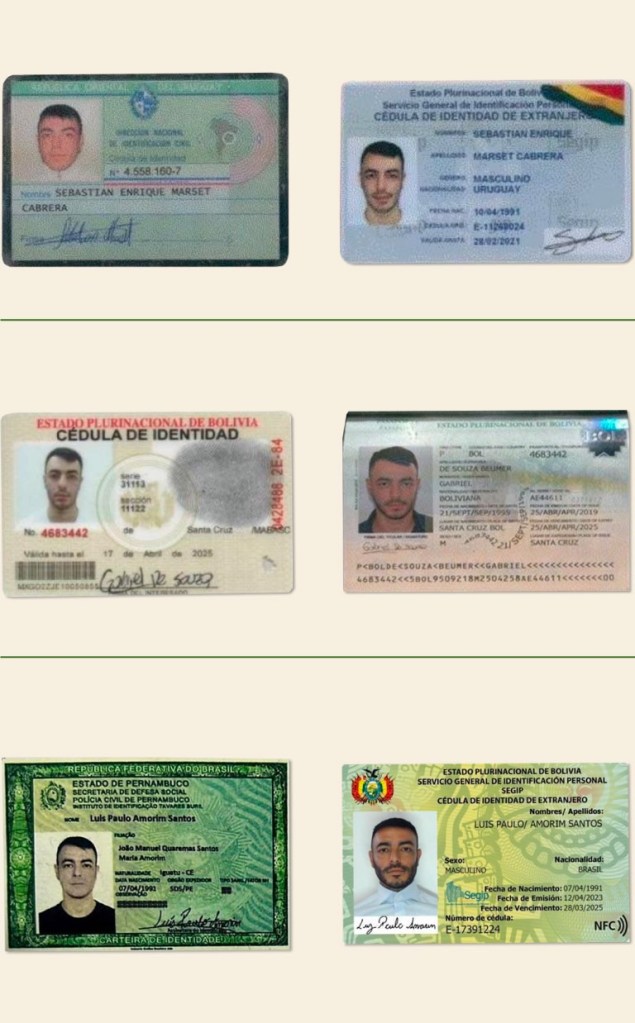
As they watched the passengers, one of the men in line stood out. His tattoos matched the ones they had heard about on wiretaps of cartel members. When he was asked for his identification, the man took out a Bolivian passport. The agents were immediately sure the document was false. They searched his biometric data, and the name of an Uruguayan national popped up. Sebastián Marset.
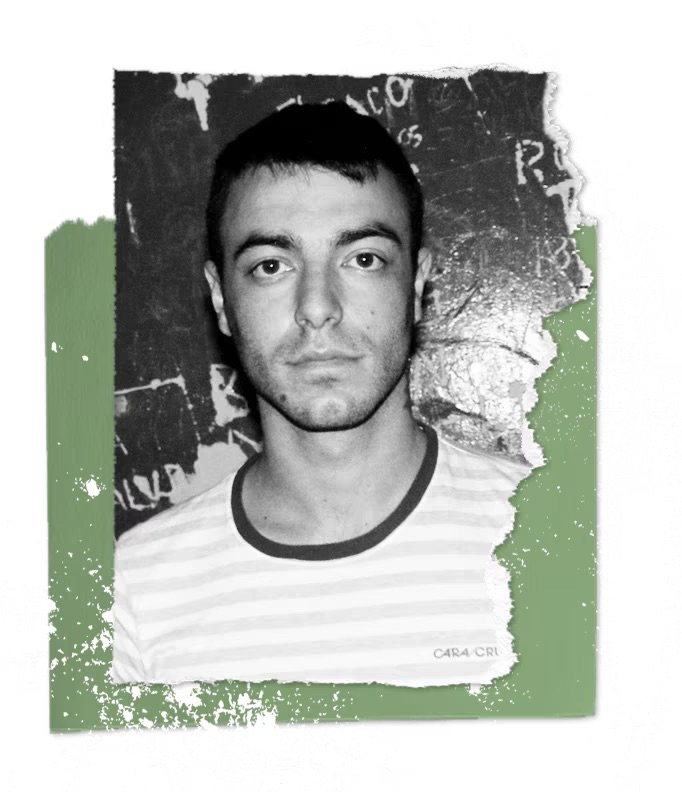
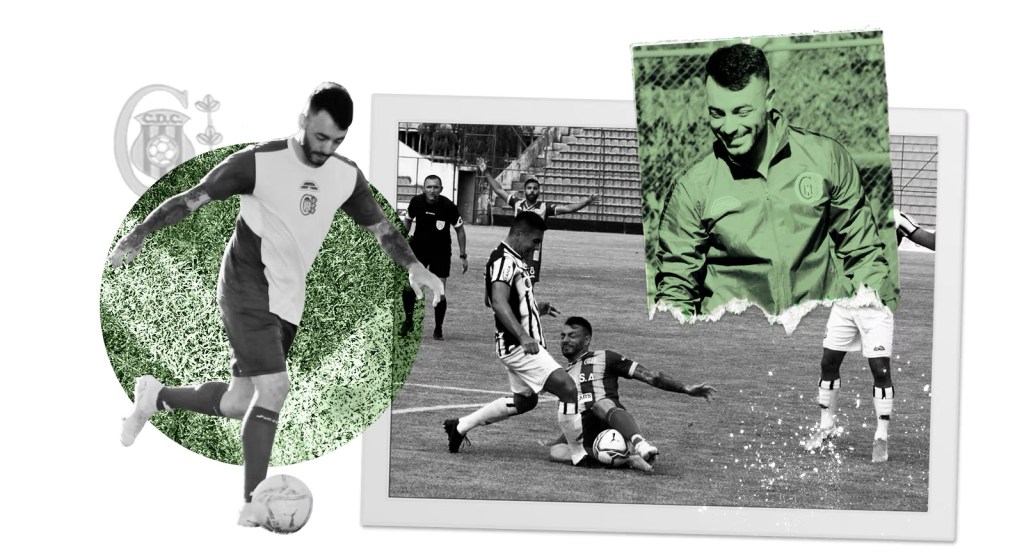
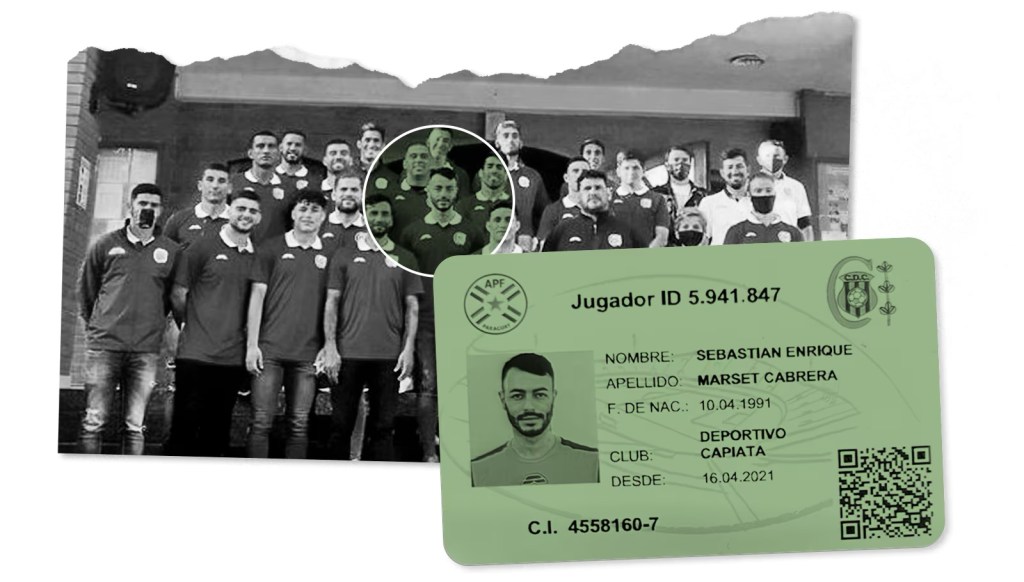
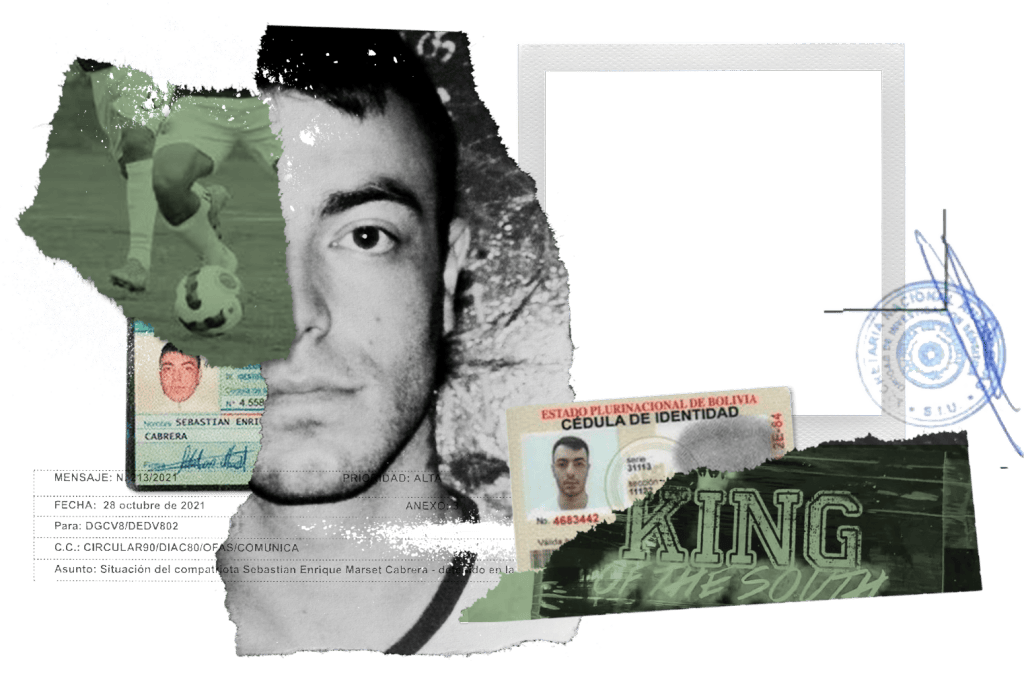
“When we heard the name ‘Marset,’ we wondered: ‘Who is this guy?’” recalled a senior Paraguayan official. “The first thing we did was Google him and the first hit was this soccer player.”
The agents saw that their target had until recently been a midfielder on Deportivo Capiatá, a team that played not far from their rented office. Marset had used his wealth and power to fulfill a boyhood dream of playing professional soccer, even though his skills fell far short of the level required.
Word spread among high-level Paraguayan officials, some of them soccer fanatics, who wondered if they had unwittingly watched their target play.
“I couldn’t believe that at the center of this massive criminal organization, the leader was a failed soccer player,” said Cecilia Pérez Rivas, the justice minister.
Investigators said they didn’t just want to detain Marset at the airport, so they allowed him to board the plane; the goal was to build a case to dismantle his cartel. Over the subsequent months, Paraguayan agents began trailing him.
They followed him as he drove an armored Toyota Land Cruiser to Asunción’s La Galería shopping mall, where he met alleged Brazilian drug trafficker Marlon Santos Silva Beiño; in a white BMW to a pastry shop, where he met Alberto Koube Ayala, the Paraguayan businessman who investigators said was responsible for laundering some of Marset’s drug proceeds. Neither Beiño nor Ayala could be reached for comment.
They chronicled the way Marset created shell companies across Latin America’s private sector, paying for publicity in local media so the businesses appeared legitimate, investigation documents show. Marset touted his success as a music producer (“a legend of concert production,” said an article on an Ecuadorian news site) or the owner of a luxury car dealership (“quality service for every kind of vehicle,” said a Paraguayan auto magazine) or the benefactor of a martial arts studio called Team Force Training Center (its slogan: “To Fight Is to Live”).
Investigators started to feel as if they were chasing a Zelig-like figure who appeared to be in multiple places at the same time. They struggled to discern which of his businesses existed only on paper and which were real. They wondered what had become of his soccer career after he disappeared from Capiatá.
“He’s obviously very smart,” said one Paraguayan investigator. “And he’s also a sociopath.”
One day, two undercover agents followed a silver Lamborghini through the residential sprawl at the edge of Asunción. The agents drove an unmarked truck they had seized in a previous operation, keeping a distance from their target.
Over a two-way radio, they reported their coordinates back to headquarters, one agent recalled. They relayed what they were seeing: Marset had inexplicably detoured through the potholed roads of a no-name neighborhood. Then the agents watched as he pulled up in front of a soccer stadium and turned off the engine.
One of the agents, clearly taken aback, picked up the radio to report the finding:“He found another team.”
Marset’s newest toy was a second-division team called Rubio Ñu. Its stadium was about 20 miles from Capiatá.
The team played in a middle-class neighborhood in Paraguay’s capital, full of die-hard but perpetually disappointed Rubio Ñu fans. Some had painted their homes in the team’s colors, green and white. Many were the grandchildren and great-grandchildren of Rubio supporters. The stadium showed signs of decay. The grass on the field was patchy. Fans traded rumors about the man in the Lamborghini. He arrived with a small group of men, all in their 20s and 30s, some with Uruguayan accents. Almost immediately, he started funneling money to the team.
“We were like, ‘What is going on here?’” said one neighbor, who lives across the street from the stadium and spoke on the condition of anonymity for security reasons. “A lot of people were scared. It was like a group of mafiosos had descended on us.”
Within a few weeks of Marset’s arrival, he hired a construction team to build a new locker room. This time, he practiced with the team, but didn’t play in games.
After practice, he deployed the same anodyne one-liners that he used in texts to the drug traffickers who worked for him:
“Always be one step ahead my bro,” he wrote.
Marset appointed his brother Diego Marset as an intermediary between his drug-trafficking organization and the team, investigators said. Diego went on a recruiting spree, adding 11 veteran players. He could not be reached for comment.
The agents realized that as Sebastián Marset moved between soccer teams, he was also playing with ways the sport could be used to turn illicit funds into clean cash. He was expanding, they wrote in a 500-page Paraguayan report, “the universe of soccer within his money laundering scheme.”
At Rubio Ñu, investigators noted, Marset’s focus was on buying and selling players — one of the oldest forms of laundering money through sport.
Officials at Rubio Ñu declined to comment.
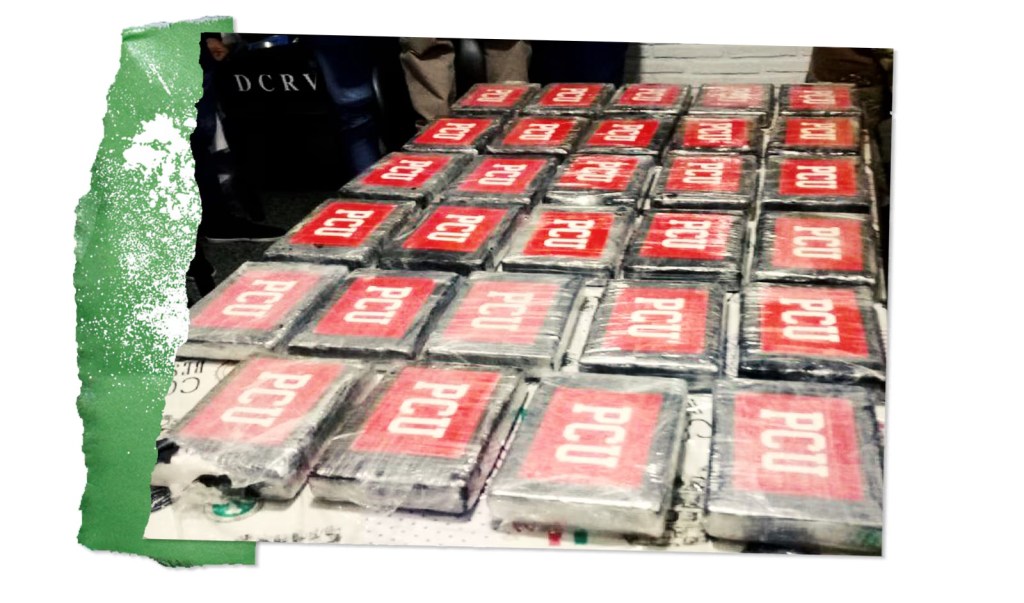
It would later become clear what Marset had in mind, according to investigators: He identified a team in Europe with its own connections to transnational crime. He would sell his Paraguayan players there. Transferring Latin American players to middling European teams for inflated fees — fronted by the seller, not the buyer, or by recording fake transactions — has become an increasingly common way of laundering drug money, officials say.
“They buy a Colombian player from a very low-level soccer team and then take him to play in the Croatian Soccer League. But they sell him for 100 times or 200 times more than what he cost,” said a Colombian police official, referring to one case in which Albanian drug traffickers laundered money through soccer transfers, providing cash for the transaction.
By August 2021, the American and Paraguayan investigators were getting closer to arresting their target. They had come up with a name for their investigation, “A Ultranza,” which means “At All Costs.” It was already the biggest anti-narcotics investigation in Paraguay’s history. They had enough documentation to produce at least 50 indictments targeting Marset and his associates, investigators said.
Then in September 2021, Marset vanished again.
The Americans received fresh intelligence: He was no longer hiding in Paraguay. He had evaded the surveillance. This time, he had left the continent.
When the Uruguayan diplomat stepped through the high walls of Al Wathba prison, surrounded by the Emirati desert, he explained to guards that he had come for a consular visit with a new detainee from his country.
The guards asked for the prisoner’s name.
“Marset,” the diplomat said, before walking into the holding cell.
Marset was sleeping on the floor of the prison with a blanket, in solitary confinement, according to an Uruguayan diplomatic cable.
One of the world’s most elusive drug traffickers had finally been caught. But it hadn’t been for trafficking drugs. Marset was detained at the Dubai airport, where authorities said he had used a fake Paraguayan passport.
“He had finally slipped up,” said a Paraguayan official.
U.S. officials made a case to their Emirati counterparts: If they didn’t strictly enforce his detention until an arrest warrant could be issued by Paraguay, Marset would bribe or finagle his way out of custody.
They were right. From his prison cell, Marset began a campaign to obtain a new passport and secure his release, an effort later documented by Uruguayan and Paraguayan authorities. For reasons that remain unclear, Paraguay was unable or unwilling to issue an arrest warrant after learning of Marset’s detention.
The Uruguayan government, meanwhile, recognized Marset as a threat but also failed to prevent his release.
“A narco,” Uruguay’s chief consul, Pauline Davies, wrote of Marset in a WhatsApp message to the country’s ambassador to the United Arab Emirates, Álvaro Ceriani, on Sept. 21. The message was part of a trove of documents collected by Uruguayan investigators and provided to The Washington Post.
“A very dangerous and heavy drug trafficker,” Guillermo Maciel, Uruguay’s deputy interior minister, wrote to Carolina Ache, the country’s deputy foreign minister on Nov. 3.
Marset hired high-profile lawyers who arranged meetings with senior Uruguayan officials, documents show. The team was well-connected: Marset’s top legal adviser, Alejandro Balbi, was the president of Nacional, one of the country’s most famous soccer clubs. Balbi declined to comment.
Marset applied for a new Uruguayan passport to be delivered to him in Dubai.
Screenshot
By November, despite the warnings about the danger he posed, the new passport was being processed. Neither Uruguay’s Foreign Ministry nor its Interior Ministry, which grants passports, intervened, according to Uruguayan investigators.
While he waited to be released, using a phone he had obtained, Marset sought revenge.
He allegedly ordered gunmen to kill Mauricio Schwartzman, the man responsible for securing the Paraguayan passport that had landed Marset in prison, investigators said. Two men using a 5.56-caliber rifle and a 9mm pistol confronted Schwartzman in front of his luxury home in Asunción and shot him dead.
Paraguayan investigators later heard over their wiretaps that the gunmen had been ordered to carry out the hit by the “big boss” of a cocaine-trafficking organization, apparently alluding to Marset.
“According to the big boss, it was [Schwartzman’s] fault that the passport had problems,” the associate said.
A high-profile Paraguayan prosecutor, Marcelo Pecci, was assigned to investigate the case. Pecci later told journalists he believed Schwartzman could have been executed by one of the people targeted in the joint U.S.-Paraguayan investigation into Marset’s cartel.
Less than a year later, in May 2022, Pecci would be killed on his honeymoon at a private beach resort in Colombia. Just hours earlier, his wife had announced that she was pregnant. Colombia’s president, Gustavo Petro, said Marset was responsible for the killing. (Marset subsequently denied any role in the killing when questioned by an Uruguayan journalist.)
But long before that slaying, with Marset detained, investigators had another question to answer: What was Marset doing in Dubai in the first place?
They would later find photos of him dressed as a sheikh with a hawk on his biceps, at the top of the Burj Khalifa skyscraper with his wife, on a desert excursion with alleged Bolivian drug trafficker Erland Ivar García López. Marset owned more than $18 million worth of real estate in Dubai, according to property records obtained by research group C4ADS and shared by news organizations E24 and the Organized Crime and Corruption Reporting Project.
When investigators obtained Marset’s flight records, they learned that Dubai hadn’t been his final destination. He had been planning a trip to Greece.
“We started to ask: ‘What business did he have in Greece?’” said a Paraguayan investigator.
Trikala F.C. is a team based in central Greece, 200 miles northwest of Athens, a longtime fixture in the Greek Super League 2. Its low-slung stadium, where only a handful of fans sit during home games, is a short walk from an Early Bronze Age acropolis.
The team’s fan base had diminished not only as Trikala continued to lose but as its links to organized crime and match-fixing were exposed. Earlier this year, its former owner, Christos Gialia, was shot more than a dozen times with a Kalashnikov rifle and burned in his car in a mafia-style killing. He had previously been arrested on charges of arms and drug trafficking. The team’s president, Sakis Karatzounis, was convicted of drug trafficking in 2017 after being found in possession of 20 kilos of cocaine, and served four years in prison.
Trikala F.C. sometimes recruited foreign coaches, who were shocked by what they learned. In 2021, the team hired David Magrone, a former member of the coaching staff at Tottenham Hotspur in England’s Premier League. Magrone left after 10 days, telling soccer journalists that he was scandalized.
“It’s the most amateurish and unprofessional environment I’ve ever stepped into,” Magrone said in an interview with FTBL, an Australian soccer website. “It was like the wild wild West and I don’t say that lightly.” Magrone said he was aware of the team’s possible involvement in match fixing. But Trikala’s illicit activities appeared to run deeper.
A few weeks after Magrone’s departure, in September 2021, an SUV arrived at Trikala’s stadium carrying four Paraguayan players and several coaches and trainers. One coach, Manuel Caceres, immediately started paying the team’s Greek employees in cash, according to Trikala players, and began talking about plans to buy the team. Caceres could not be reached for comment. The players and staff were baffled, even as they relished the sudden wave of new resources.
“Why did they come from Paraguay to invest on the other side of the Atlantic, in Trikala? It was an honor for us, okay, but isn’t it weird?” Zissis Katsandonis, the team manager, said in an interview. “But whatever the team asked them for, we got. Clothes, equipment. Everything was ordered right away. All paid for.”
The Paraguayans would distribute wads of cash in the locker room, said Giorgos Panagiotou, Trikala’s general secretary. “Come, guys, to the changing rooms and take it,” he recalled them saying.
What the Greek players and officials didn’t know was that the Paraguayans had been dispatched by Sebastián Marset, who was en route to Greece when he was detained in Dubai. After his arrest, according to a wiretapped conversation, he had sent his associates instead.
Two of the players and Caceres, the coach, had come from Marset’s last Paraguayan team, Rubio Ñu. They were among the men Marset’s associates had been grooming, promising cash if they played well. Marset, investigators learned, offered each of them $200,000 if they were willing to be transferred to an obscure Greek team. They accepted.
Paraguayan investigators say Marset was hoping to use Trikala to launder cash and create a foothold in Greece to expand his drug-trafficking network. The Greek anti-narcotics police said they were unaware of Marset’s connection to the team, perhaps because of how quickly it dissolved. With his detention in Dubai, Marset’s Trikala scheme fell apart, investigators said.
At the end of 2021, the Paraguayan players and coaches left as abruptly as they had arrived. “At least it was sudden for me. I didn’t know anything,” said Katsandonis, the manager. “They all left Trikala before Christmas. I don’t know where they went after that.”
Two of the players, apparently broke, returned to Paraguay on a government repatriation flight, accompanied by migrant deportees.
On Jan. 10, 2022, Interpol wrote a message to Uruguay’s Foreign Ministry: “We would appreciate if you could provide us with an update on its situation and details of where [Marset] is currently.”Both the U.S. and Paraguayan investigators had assumed their target was still detained in Dubai. But the Uruguayan Foreign Ministry responded two days later: “The Consulate delivered the passport to the holder and we have not had any information about the citizen since then.”
Marset was a free man.
“With the influence of his wealth and connections, he won,” said a U.S. official.
About a month later, on Feb. 22, Paraguayan authorities carried out Operation A Ultranza, based on their multiyear investigation into Marset’s organization. Twenty-four of his associates were arrested, most of them on drug-trafficking and money-laundering charges. Police raided luxury homes and airplane hangars. They seized nine private jets, 4,000 head of cattle, 13 tractors and three yachts — in total, more than $100 million in assets.
Erico Galeano, the Paraguayan senator whose soccer team had welcomed Marset, was accused of money laundering. But the government’s support for Galeano was clear: Weeks after his arrest, he was invited to a small soccer game at the president’s residence.
On March 7, Interpol issued an international arrest warrant in Marset’s name. But by then, he was once again a fugitive. News broke in Uruguay about how he had managed to secure a new passport from a prison in Dubai.
The fallout was almost immediate. First the foreign minister resigned. Then the interior minister and one of his chief advisers. But Uruguay’s president, Luis Lacalle Pou, said the problem was Uruguay’s laws, not corruption within his government.
“Do we like that a drug trafficker has a passport? Of course not,” Lacalle Pou said at a news conference. “But that is the current law.”
The phone buzzed in the newsroom of Channel 4, one of Uruguay’s most popular broadcasters. It was a text message from a South African number. The sender introduced himself as Sebastián Marset.
It was August 2022, months after his release from the Dubai prison. Marset sent a video message to reporters, who aired it on the nightly broadcast of “Telenoche.” He was fuming about the charges against him and his associates.
“They have no proof of anything of what they say. Nothing,” he said in the video, in which he wears sunglasses and a face mask.
U.S., Paraguayan and Uruguayan officials were searching for him once again. The drugs flowing from Bolivia to Uruguay and on to Europe had increased. Investigators believed he was still running the operation, from wherever he was.
Then the tip arrived. Marset was in Bolivia. But he wasn’t just hiding there. He was playing for another professional soccer team.
The players of the Leones del Torno, a team in a second-tier Bolivian league, were on their 20th and final 100-yard sprint. Carlos Villegas, a lanky 25-year-old Colombian forward, finished first. He put his hands on his knees and turned, he recalled in an interview, to watch his teammates trundle across the line, struggling in the Bolivian heat. It was May 2023.
As always, among the slowest players was a handsome, tattooed Brazilian named Luis Amorim. There was something odd about Amorim, Villegas thought. He was out of shape and sluggish on the field. But he was always impeccably dressed and drove a rotation of shiny SUVs — Land Cruisers and BMWs — across Santa Cruz, where the Leones had recently moved.
While Villegas struggled to scrape by on his $500-a-month salary, painting homes to make extra cash, Amorim was seemingly flush. Villegas needed to know: How had his teammate found financial success while languishing in the lower rungs of professional soccer? He decided he would ask.
After practice, Villegas sidled up to Amorim on a bench next to the field.
“How did you do it, man?”
Amorim responded passionately, but obliquely — in surprisingly perfect Spanish for a Brazilian.
“It’s all about work. You need to work and work and work. You can’t ever give up,” Villegas recalled Amorim saying.
Villegas walked away from the conversation feeling inspired and a little confused.
“He never told me what he did to make the money,” Villegas later said in an interview. “And when I found out, it was a shock.”
Amorim was a pseudonym.
Marset had arrived in Santa Cruz — Bolivia’s financial capital — in late 2022, renovating a mansion in the center of the city, installing security cameras near the front entrance. He launched himself into the city’s elite circles. He spent time with a former Miss Bolivia and her husband. He sponsored events for Carnival, including an exhibition soccer game with powerful business executives. And most notably, he purchased the Leones del Torno, a team that played in the small town of El Torno, an hour outside the city.
Marset moved the team to Santa Cruz. He built a cutting-edge athletic training complex with a synthetic turf field at the end of a dirt road. He hired a former star player from the national team, Gualberto Mojica, to coach the team. And once again, he forced his way onto the starting lineup.
With law enforcement from across the Western Hemisphere looking for him, Marset had chosen not to hide in a remote outpost. He had come to Bolivia’s largest city — known as a sanctuary for drug proceeds, investigators say — certain that he could bribe authorities not to capture him.
For over a year, Marset appeared to be right; he expanded his real estate empire in Santa Cruz, either unnoticed or ignored.
On the soccer field, Marset wore the number 23, David Beckham’s number at Real Madrid and Galaxy. The name on the back of his blue jersey was only “Luis.” His skills had not improved.
“He wasn’t good,” said an Uruguayan player on the Leones, Lucas Casavieja.
“When I passed him the ball, a lot of the time he missed it,” said Villegas. “I got angry with him, like, ‘What are you doing?”
In May 2023, Bolivian authorities got a call from the Paraguayan anti-narcotics police. The Paraguayans had tracked down Marset in Santa Cruz, and they needed the Bolivians to act.
The Bolivian police say they began surveilling Marset’s mansion. They flew a drone overhead. They posted officers around his tony neighborhood. Marset was hiding with his wife and four children, who were also using false names. He had managed to enroll one of his sons in the revered training program of Blooming, a soccer team in Bolivia’s first division.
Eventually, police held a planning session to announce the operation, dubbed “Leon 23” after Marset’s team and number. They planned to take down Marset’s entire network.
Dozens of officers got to his house on the morning of July 29, forcing their way inside. But Marset and his family were gone.
A manhunt commenced: 3,000 Bolivian police officers were dispatched. They placed 158 checkpoints across the country to keep Marset from escaping.
The police eventually arrested 39 people, including the Leones del Torno coach, two of Marset’s teammates and the team’s grounds manager. They seized the team’s soccer field, 35 properties, nine aircraft, 77 cars, 81 weapons and 1,315 head of livestock and poultry — a total of $27 million in assets.
Leones del Torno were suspended from Bolivia’s soccer federation. Former team officials could not be reached for comment.
Officials and neighbors in Santa Cruz would later tell The Post that Marset had fled days before the operation began. Neighbors reported seeing people loading trucks outside Marset’s home.
“The operation needed to be earlier,” Jhonny Aguilera, Bolivia’s deputy interior minister and former national police chief, said in an interview. “We know that in hindsight.”
Marset’s teammates and coach were charged with “criminal association.” Their interrogation interviews yielded little: He was merely “another player,” they said. “An investor” or a “businessman.”
But Bolivian officials said they were able to link Marset’s attraction to the Leones to two data points — his obsession with soccer and the more practical question of what to do with his drug proceeds.
“The objective was obviously to launder money,” Aguilera said of Marset’s investment in Leones del Torno.
A few weeks after Marset’s disappearance, Jessica Echeverría, a lawyer in Santa Cruz with a large following on social media, received a message from a number she didn’t recognize.
When she opened it, there was a video with Marset’s face in the center of the frame. Echevarría pressed play. She heard Marset explain how he had been tipped off about the Bolivia operation.
“Thanks to the help of the director of the anti-narcotics police, I managed to leave,” Marset said in the video. “He told me that the minister had already issued an arrest warrant against me.”
A few weeks later, he sent out another video to local reporters. It was recorded from inside a car.
“I am too smart for you,” he said, taunting the Bolivian police. “It’s not to say that you are very stupid; it sounds a little better to say that I am just smarter.”
He threatened to reveal the corrupt Bolivian officials who had allowed him to live freely and escape unharmed: “If I open my mouth, it gets complicated.”
The question of where Marset was hiding became a parlor game among Latin American officials. At least a few starry-eyed fans also waited for him to reemerge, hoping he could be lured by one of his weaknesses.
“Between soccer and lovers, I am gripped by the hope that Don Marset will return,” crooned Bolivian singer Belén Ortiz in her song “King of the South.”
And then, in November, Marset gave a television interview. A Uruguayan television anchor, Patricia Martín, said she had taken two helicopters to meet him — the first to a place that was “half jungle” and the second to a house in a clearing. Marset opened the door, she said; a soccer game was playing on the living room television. He wore a $1,100 Louis Vuitton green sweater and a gold watch and spoke vaguely about his ability to elude capture.
Marset’s lawyer, Santiago Moratorio, who helped arrange the television appearance, wouldn’t say where it took place, or offer any hints about his client’s newest hiding place.
On Wednesday, after months of radio silence, Marset’s wife, Gianina García Troche, was detained at the Madrid airport in a joint operation of Interpol and the Spanish government. She had flown to Spain from Dubai, Uruguayan and Paraguayan officials said.
Moratorio said she wasn’t detained and insisted that she had turned herself in. “She was tired of running from a crime she didn’t commit,” he said.
Marset remains at large, the target of an ongoing manhunt, one of the most extensive in recent South American history.
Moratorio did share one detail from the visit he made with the journalist to Marset’s undisclosed location.
Before the television interview was recorded, Moratorio said, Marset issued one more order: Let’s play some soccer. His visitors, guards and associates formed two teams and the game kicked off.
This is the second of a two-part series. Click on this link to read the first part, “A double life: The cocaine kingpin who hid as a professional soccer player.”