“A One-Year-Old Boy Is Not a Hamas Fighter”

He has no dog in the fight, but he suffers the most. Little Abu Khalil, like thousands of Palestinian children, is neither dead nor truly alive—trapped in a nightmare of survival under Israel’s relentless genocide. Now, even Western powers are breaking their silence.


The Forgotten Victims of War

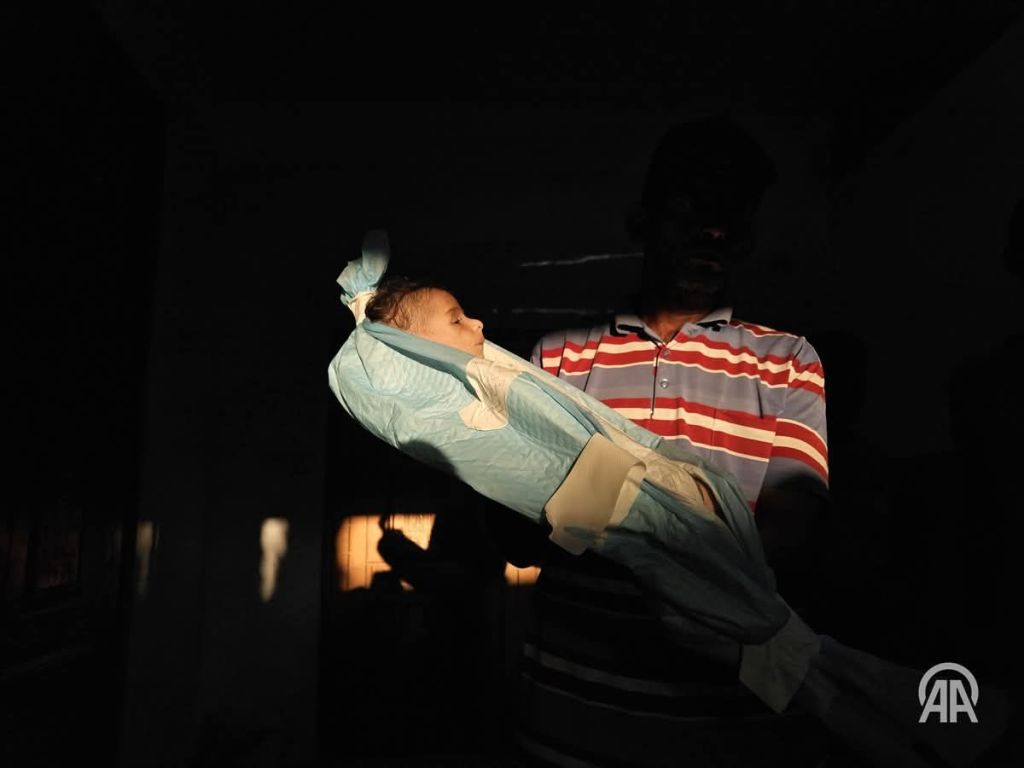
Abu Khalil should be giggling as he takes his first wobbly steps. He should be smashing his tiny fists into a birthday cake, smearing frosting on his cheeks while his family cheers. Instead, he lies listlessly in a makeshift tent in Rafah, his ribs visible beneath paper-thin skin, his cries drowned out by the roar of Israeli drones.

His mother, Umm Khalil, rocks him gently, humming a lullaby she hopes will mask the sound of explosions. She hasn’t eaten in two days—what little food reaches their tent goes to him first. But even that is not enough. The milk has dried up. The aid trucks are blocked. The world watches, debates, and does nothing.

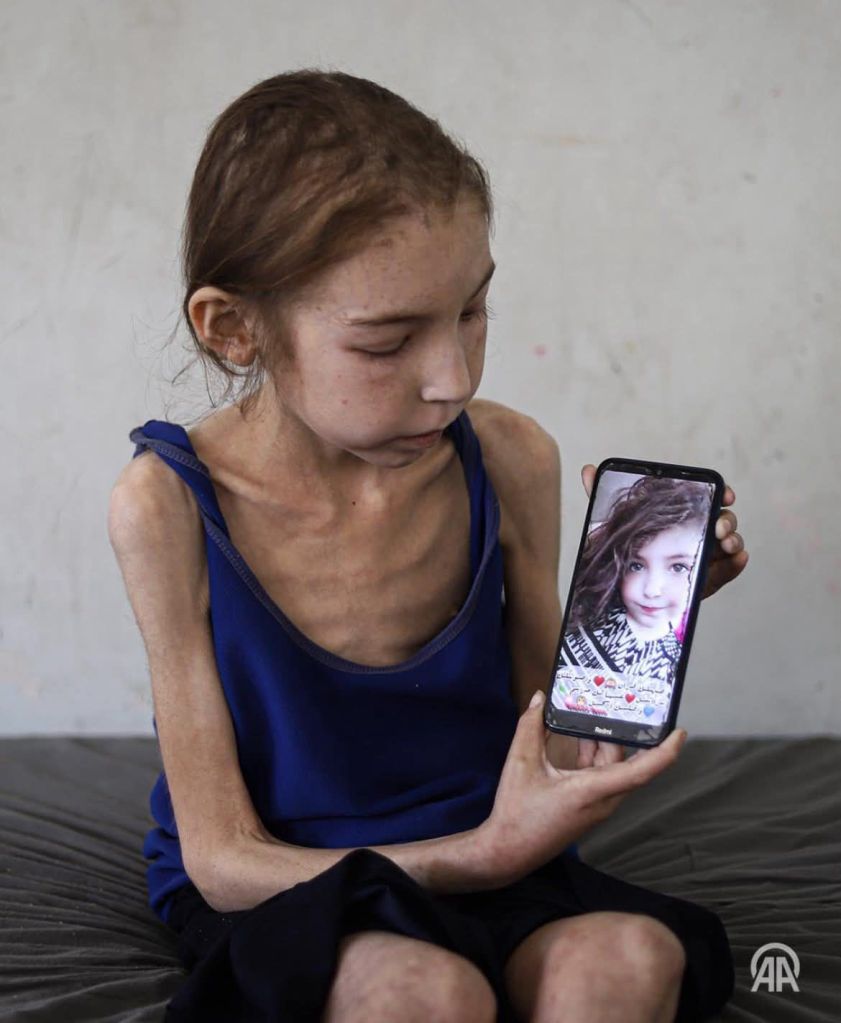
A malnourished young girl shares a photo she took just weeks before the Israeli war on Gaza.

“What Did My Son Do to Deserve This?”

Abu Khalil was born into war. His first breath was drawn in the acrid smoke of an airstrike. His first words were not “Mama” but “Boom.” He has never known safety, never slept without the tremors of bombardment shaking the ground beneath him.

His father, a schoolteacher, was buried under rubble in Khan Younis. His older sister, only six, still wakes up screaming from nightmares of white phosphorus burning through the sky. The trauma has stolen her voice—she now communicates only in whispers and trembling hands.

A Shift in the World’s Conscience

Against the backdrop of Israel’s escalating violence—blocking ceasefires, starving civilians, and bombing refugee camps—something unprecedented has happened. The UK, France, Australia and Canada, once staunch allies of Israel, have now openly declared support for Palestinian statehood at the UN General Assembly.

This is not just diplomatic maneuvering. It is a moral awakening.

For months, these nations shielded Israel from accountability. But the images of dead children, the reports of mass graves, the screams of mothers clutching their starved babies have forced even the most complicit governments to admit the truth: This is a genocide. And they can no longer look away.

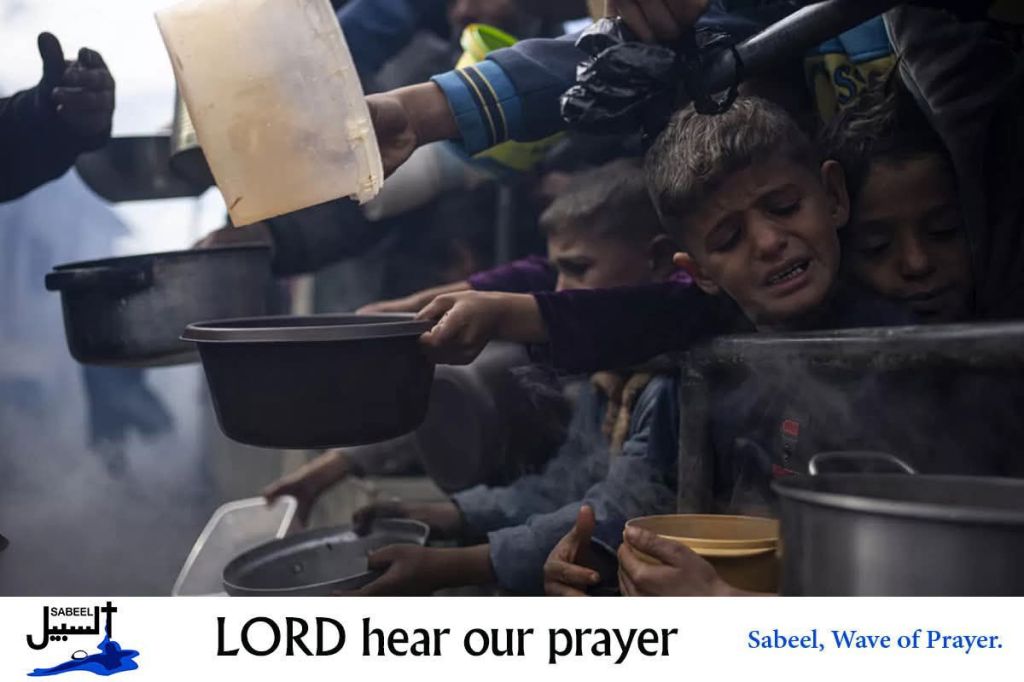
Like Abu Khalil, Palestinian children face not only the threat of rocket strikes but also the peril of searching for food.

A Life Without a Future

This is not life. This is existence in the shadow of death.

Abu Khalil is not a Hamas fighter. He is not a threat. He is a baby who has never held a toy, never seen a playground, never felt the softness of a clean diaper. His crime? Being born Palestinian in Gaza.

The numbers are staggering: Over 14,000 children killed since October. Thousands more orphaned, maimed, or starving. Hospitals bombed. Schools turned to dust. The world calls it “collateral damage.” But what is collateral about a child’s life?

The World’s Silence Is Breaking

The UK, France, and Canada’s U-turn is a damning indictment of Israel’s brutality. It proves that no amount of propaganda can hide the reality unfolding in Gaza. Even the architects of Western foreign policy can no longer deny the truth.

But for Abu Khalil, it may be too late.

While governments finally shift their stance, Israel continues its assault. Ceasefire deals are sabotaged. Aid is weaponized. And children like Abu Khalil pay the price.

A Plea for Humanity

Abu Khalil will likely never know justice. But his story must be told—not as a statistic, but as a scream into the void of global indifference.

How many more children must die before the world acts?

#SaveGazaChildren | #StopTheGenocide | #RecognizePalestine


He Was Killed in Police Custody. Kenyans Are Not About to Let It Go.

At the funeral for Albert Ojwang, protesters in Kenya said his death was a call to action for the country’s youth.

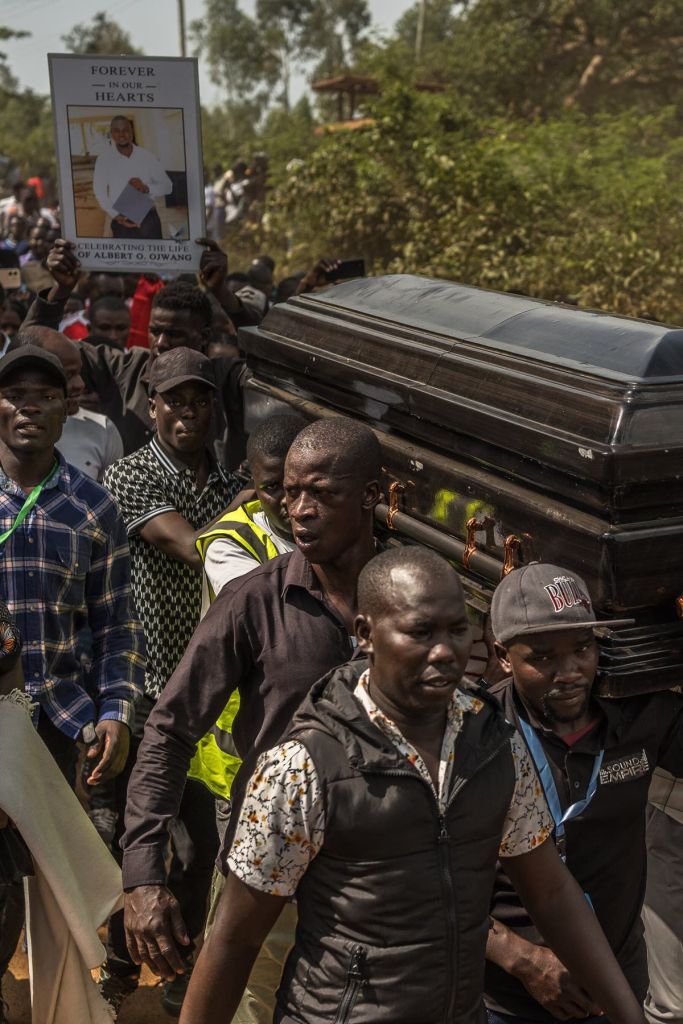
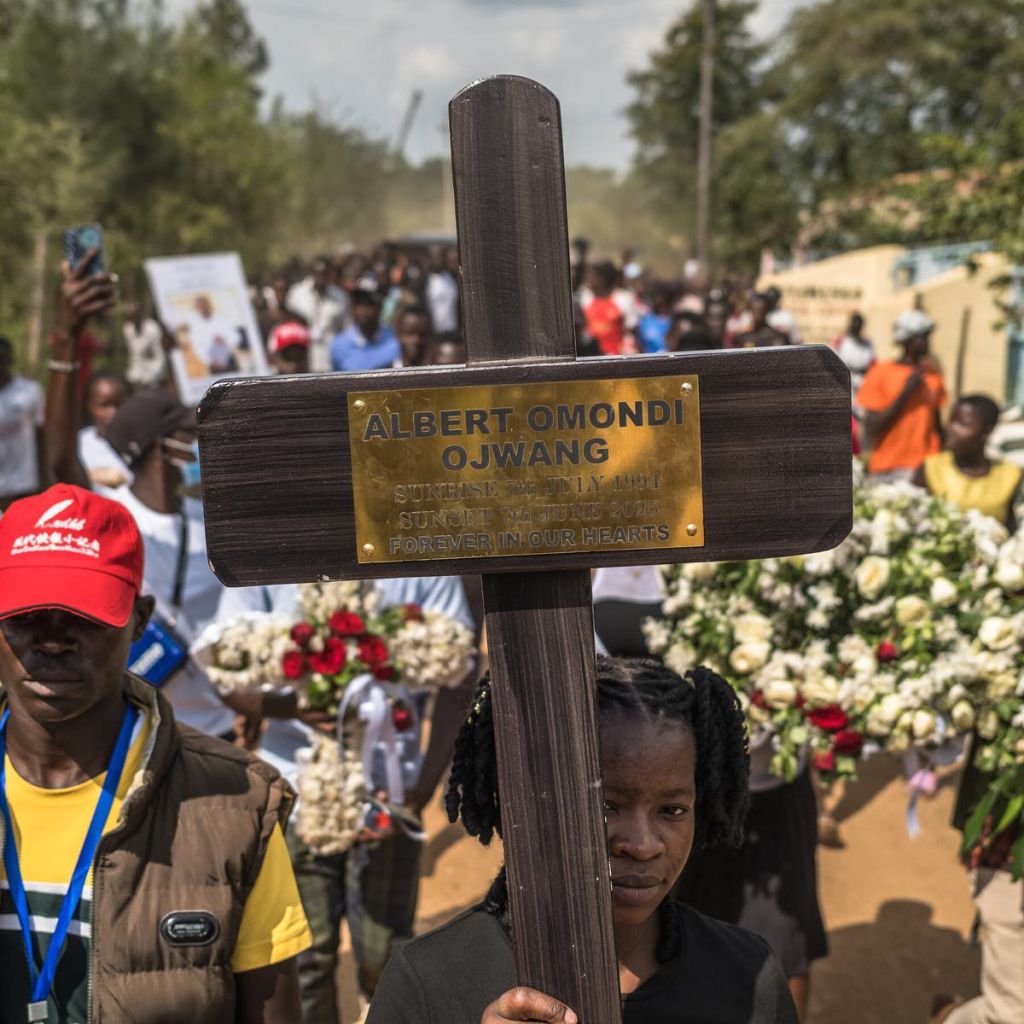
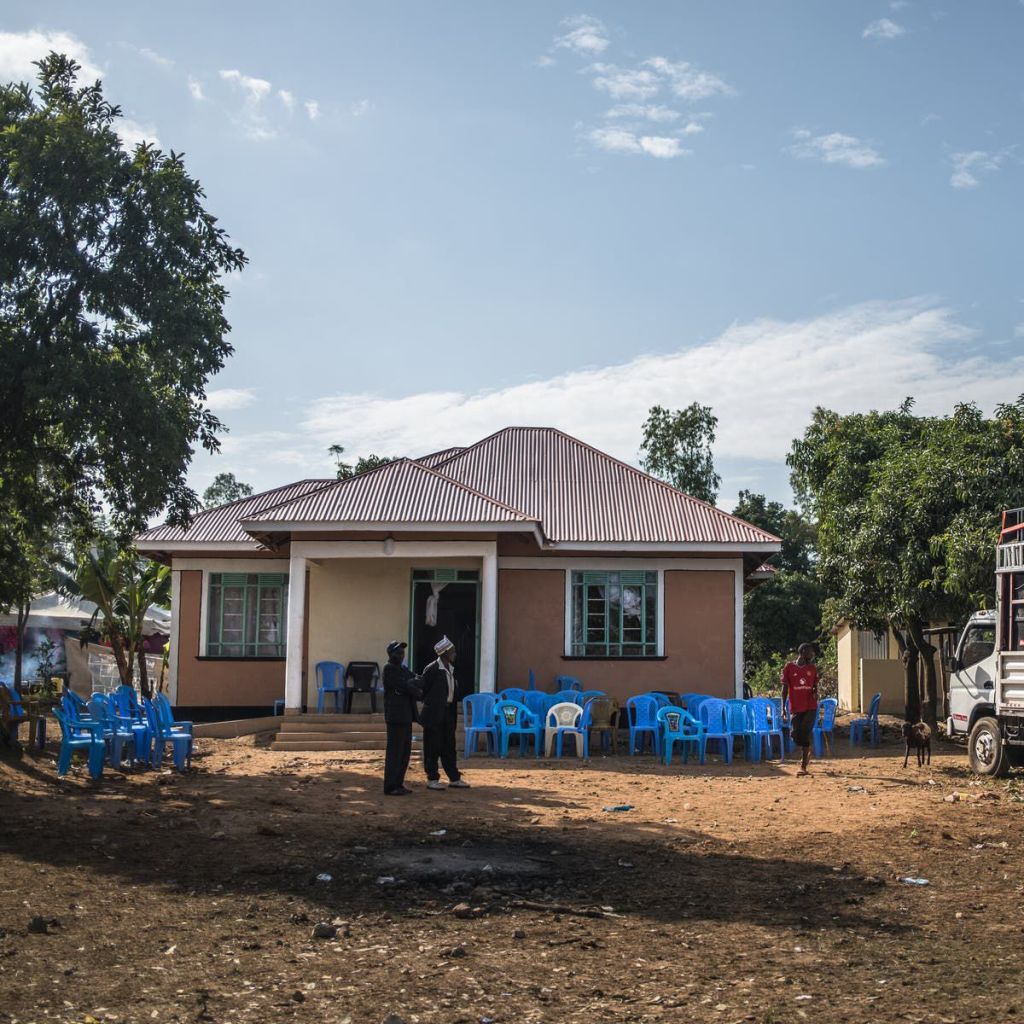
Young men carried Albert Ojwang’s coffin at his funeral in Kakoth Village, Kenya, on Friday.

By Eve Sampson
Photographs by Brian Otieno

Reporting from Kakoth Village, Kenya.

July 6, 2025 Updated 9:07 a.m. ET

At first, there were only small groups of mourners milling about as a few dozen men hacked away at the hardened earth.

But there were signs of what was to come. The meat from at least 10 slaughtered bulls — enough to feed an army — sizzled over open fires. Enormous tents had been erected over a nearby field, with rows of seating beneath.

Then, as the sun climbed and the men crawled out of the grave they had dug, the crowds arrived en masse. Thousands poured into the rural Kenyan village. Some had pinned a man’s portrait to their blouses. Others wore matching shirts emblazoned with a slogan: “Rest in Power, Albert.”

The immense turnout for the funeral of Albert Ojwang, a Kenyan blogger who died in police custody last month, was the latest indication of roiling discontent in Kenya over what many there view as a corrupt and unaccountable system of law enforcement. Mr. Ojwang’s death thrust the country’s brutal policing tactics into the spotlight and fueled a wave of anti-government protests that exploded across the nation, leading to the deaths of more than 16 people.

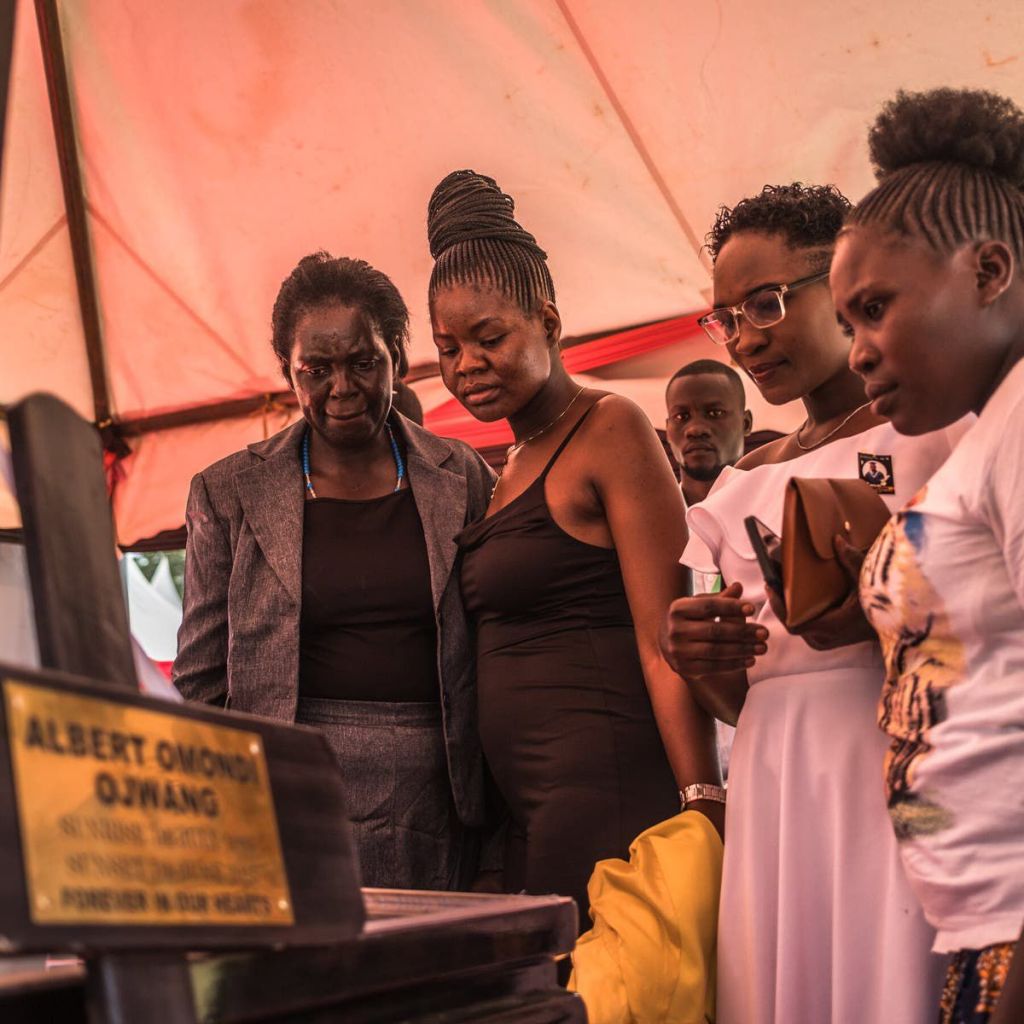
Mourners view a plaque with Albert Ojwang’s name. Crowds arrived en masse for his funeral in the rural Kenyan village where he was buried.

At the funeral on Friday in Kakoth Village, held a short walk from Mr. Ojwang’s family home, religious leaders, politicians and activists spoke for hours from a raised stage under a winter sun. The crowd joined in singing hymns, and energetic speakers roused young men and women in chants.

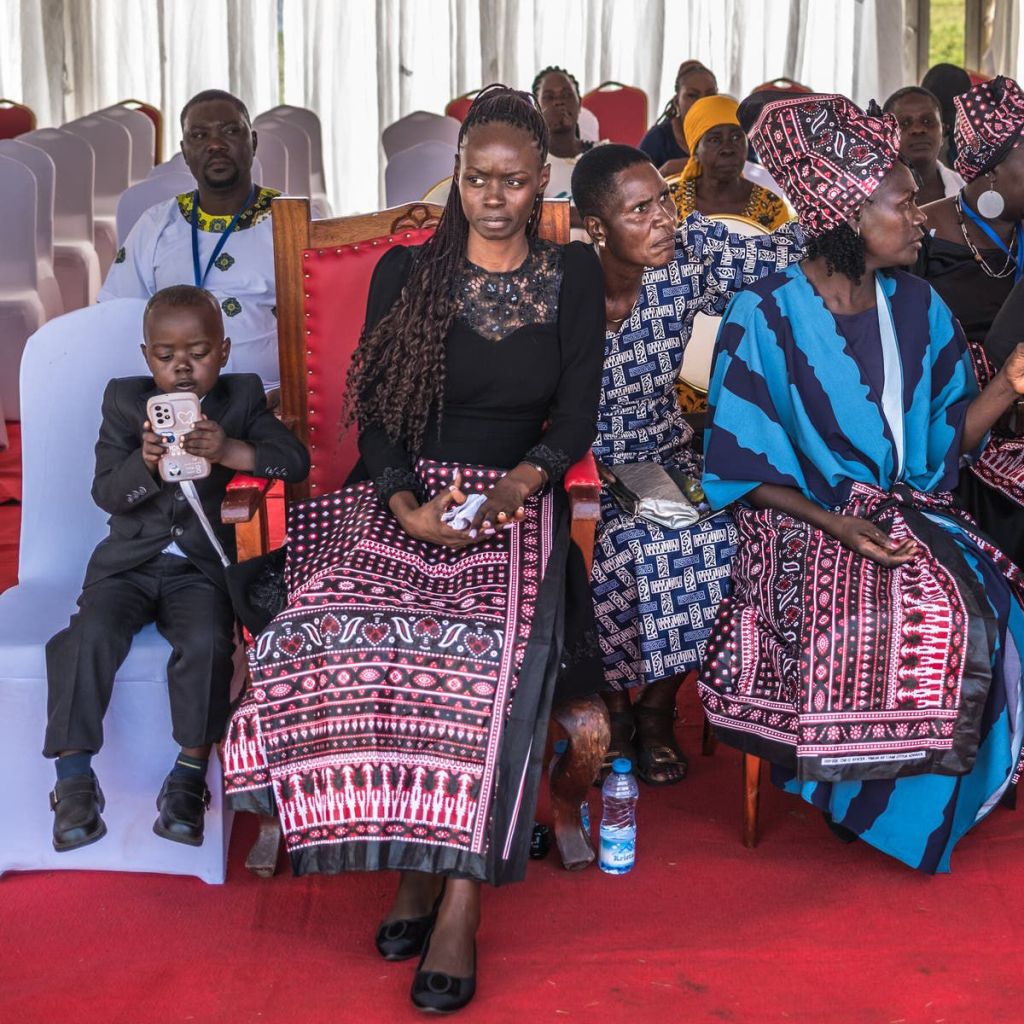
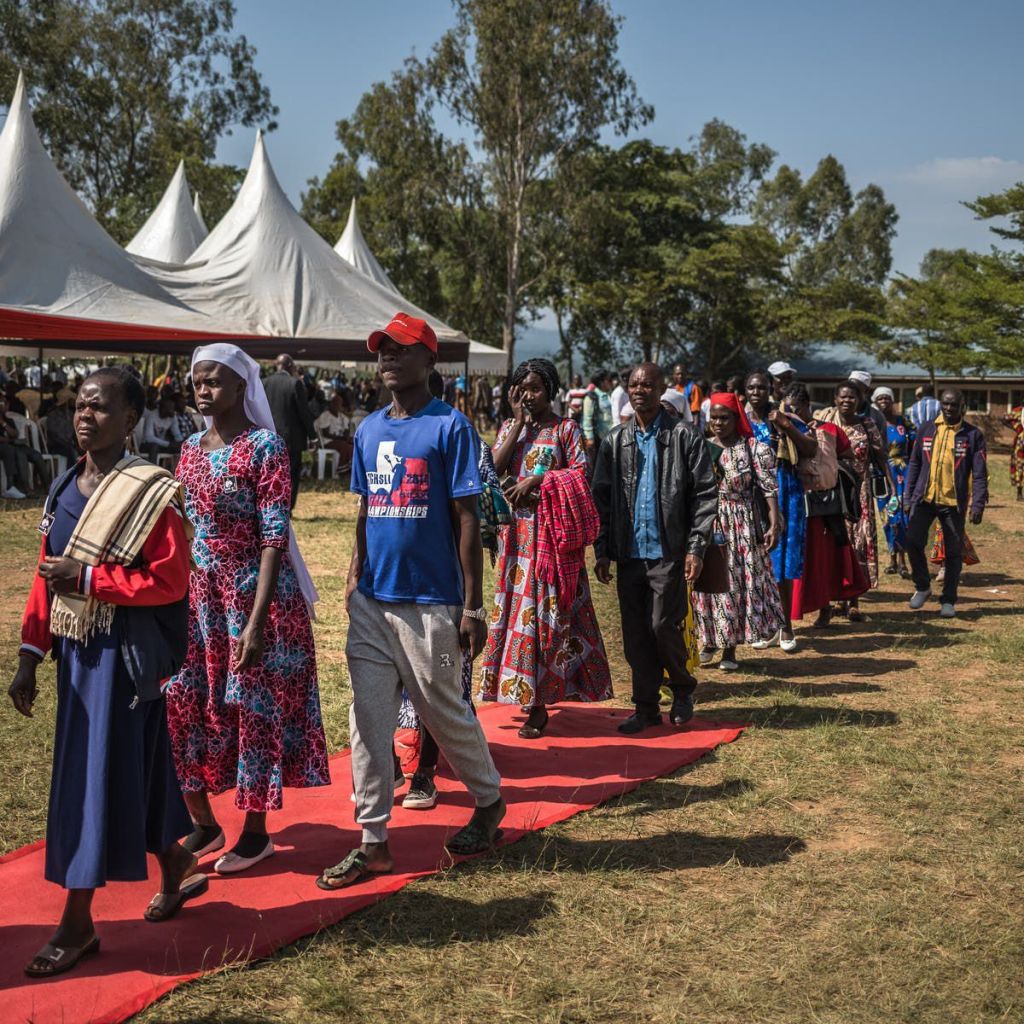
Mourners lined up to shake the hands of Mr. Ojwang’s family, who sat tearfully at the front of the crowd.

When it was time to bury Mr. Ojwang, young men carried his casket from the open field to the grave. The casket rested in the soil, draped in the flag of his country and that of his favorite soccer team.

Nevnina Onyango Omondi, Mr. Ojwang’s widow, sat with their 3-year-old son in her lap. The night before, as the family was preparing for the funeral, she had smiled at the thought of her husband’s defiant anti-corruption writing. She encouraged unity against police brutality as she said Mr. Ojwang would have wanted. Even as he was being arrested, Ms. Omondi said, Mr. Ojwang was scared but full of hope.

His last words to her as the police ushered him away, Ms. Omondi recalled, were “I love you” and “See you soon.”

The immediate family of Albert Ojwang at his funeral. His last words as the police ushered him away, his widow said, were “I love you” and “See you soon.”

But he would never see her again. Two days later, Mr. Ojwang’s body lay in a morgue in the country’s capital, Nairobi, over 140 miles away from the family’s home. An autopsy would later reveal that his wounds were consistent with assault.
Odhiambo Ojiro, an activist who traveled to the funeral from Nairobi, said Mr. Ojwang’s death was a call to action for Kenya’s young people.

“Ojwang’s death is a message sent by the political class to the people: ‘If you speak, we will take you. We will abduct you. We will kill you,’” he said, adding, “You cannot speak to the young people through the bullet.”

Mr. Ojwang, 31, was taken from the family home on June 6 by men who identified themselves as police officers, before he was briefly held at a local precinct and then transported to Nairobi, his father, Meshack Ojwang, said.

Kenya’s police chief, Douglas Kanja, said in June that before Mr. Ojwang’s arrest, the authorities had initiated a probe into his online posts, based on a top official’s complaint. The official, Eliud Lagat, the deputy inspector general of Kenya’s police, stepped aside from his office pending the results of an investigation into Mr. Ojwang’s death, local news media reported.

Mourners line up at the funeral to view Albert Ojwang’s body. The anger over his death was so intense that the local police station, where Mr. Ojwang was briefly held, was burned to the ground on Thursday.

The elder Mr. Ojwang said he had been shocked upon learning that his son had been taken to the capital. He rushed to contact a lawyer he said, and then traveled overnight in the hope of securing his son’s freedom.

Instead, on Sunday, June 8, he was taken to identify his son’s lifeless body in the morgue. Haltingly, he described seeing dried blood caked under Albert’s mouth and nose, and dark bruising around his neck.

“I was brokenhearted,” he said. “I could not see the future.” He later added, “Even now as we talk, I see no future.”

The police initially said that Mr. Ojwang had died of self-inflicted wounds, but a later examination of his body revealed otherwise. A copy of the autopsy report, viewed by The New York Times, noted head trauma, neck compression and bruises and lacerations across the body.

The funeral procession for Albert Ojwang in the rural village of Kakoth, Kenya, on Friday.

On June 24, Kenya’s prosecuting authority charged six men, including three police officers, with Mr. Ojwang’s murder.
Kenya’s police have a history of extrajudicial killings, excessive force and brutality. One human rights group has documented hundreds of extrajudicial killings over the last six years.

After demonstrations against a controversial tax plan last year, dozens of people, including activists, medical workers and social media influencers, were abducted, interrogated and tortured.
The Kenyan police have repeatedly denied targeting protesters during last year’s unrest. President William Ruto of Kenya has said that all those who were abducted or who disappeared have been returned to their families. But the public is not convinced.

Albert Ojwang’s family home.

Anger in the area has risen to the point that the local police station, where Mr. Ojwang was briefly held before his transfer to Nairobi, was burned to the ground on Thursday afternoon. Police officers abandoned the station’s housing quarters; only scrap metal and the charred ruins of the small precinct remained.


Mr. Ojwang’s family was wary when asked before the funeral whether they thought that such action, and the events of the last month, would lead to lasting change in Kenya. Stroking her toddler’s hair, Ms. Omondi said she was unsure if those truly responsible for her husband’s death would ever be held accountable.


“I think the case of Albert will determine if this country is just or not,” she said with a sigh.


Wycliffe Odera contributed reporting.

Eve Sampson is a reporter covering international news and a member of the 2024-25 Times Fellowship class, a program for journalists early in their careers.

Life’s Fragility: The Humbling Truth That Changes Everything

One moment, everything is stable—your health, your job, your loved ones. The next? A sudden illness, an unexpected loss, a financial blow. Life doesn’t warn you before it flips the script.

This is the brutal truth that humbles us all. No matter how strong, successful, or secure we feel, we are all one breath away from a completely different reality. The tables can turn in an instant—not because life is unfair, but because it is unpredictable by design. 

So what do we do? 

1. Pray (or Reflect) with Purpose – Not just in crisis, but in gratitude. The things we take for granted today could be gone tomorrow.

2. Stay Humble – Not Weak, But Wise – Arrogance is the illusion of control. True strength lies in knowing how little control we actually have.

3. Be Thankful – Not Just When It’s Easy, But Especially When It’s Hard – Gratitude isn’t just for the good days; it’s the lifeline that keeps us grounded when life shakes us. 

The lesson? Life doesn’t owe us stability—it offers us moments. Will we waste them in pride, or treasure them in humility? The choice defines not just our character, but our peace. 

Stay grounded. Stay grateful. Because the only certainty in life is that nothing is certain.

From FM Gods to Forgotten Men: The Curious Case of the Zivkovič Twins Who Never Were

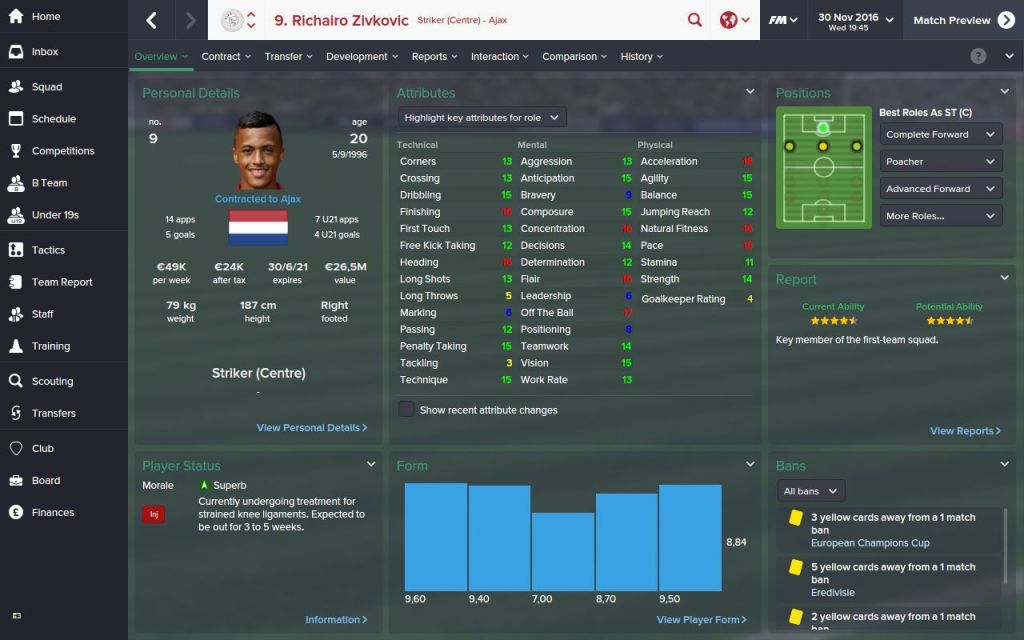
Football Manager 15 Player Profile – Richairo Zivkovič

Let me take you back to my FM19 PSV Eindhoven save – the summer of 2019 when I pulled off what might be the most underrated double signing in my Football Manager history: Richairo Zivkovič and Andrija Zivkovič. No relation, just pure coincidence that these two Balkan talents (one Dutch, one Serbian) would become the backbone of my Eredivisie domination.

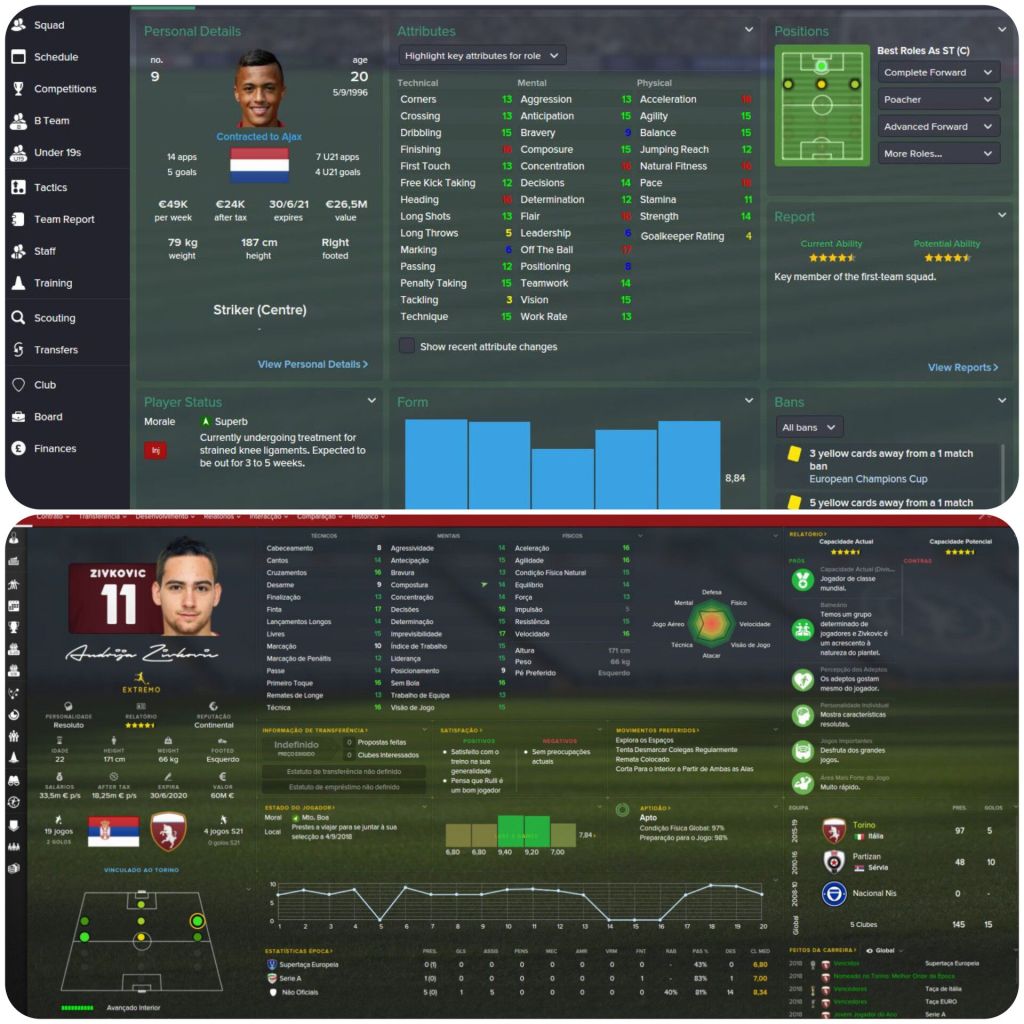
Richairo Zivkovič (then 19) was my left-wing revelation. Signed for just €2.5m from Groningen, he played like a man possessed. That 17 Acceleration with 15 Finishing made him unstoppable cutting inside from the left. First season: 24 goals, 11 assists across all competitions. He’d either score a banger from outside the box or make those perfectly timed runs to tap in crosses. I still remember his hat-trick against Ajax in the 4-1 Klassieker win – absolute scenes!

Richairo Zivkovič

Then there was Andrija Zivkovič (21 at the time), my €4m steal from Benfica. Deployed as my Mezzala on attack, his 16 Passing, 17 Vision and ‘Tries Killer Balls Often’ trait made him the perfect creative hub. Ended the season with 7 goals and 18 assists, including a ridiculous 35-yard free kick against Feyenoord. The way he’d drift wide right before delivering inch-perfect crosses… chef’s kiss.

What made them so special was how perfectly they complemented each other. Richairo’s direct running created space for Andrija to operate, while Andrija’s creativity consistently put Richairo in dangerous positions. Their chemistry was so good I had to create a special ‘Zivkovič Connection’ training routine just to maximize it.

Andrija Zivkovič

The irony? While they were carrying my PSV to back-to-back titles and a Champions League crown in the game, real life had different plans. Richairo bounced around Belgium and Israel before ending up in China, never quite reaching those FM heights. Andrija now with Paok in Greece, had a decent career at Benfica but never became that world-class playmaker my FM version was.

Still, for that one glorious virtual season, the Zivkovič duo were unstoppable. Proof that sometimes FM just knows a player’s potential better than real life does. To this day, whenever I see a player with good attributes at a mid-table club, I think: ‘Could this be the next Zivkovič?’

THE PLACE BEYOND THE PINES: How Governments Only Listen When the Streets Burn

By Abdallah Khabib Jallow

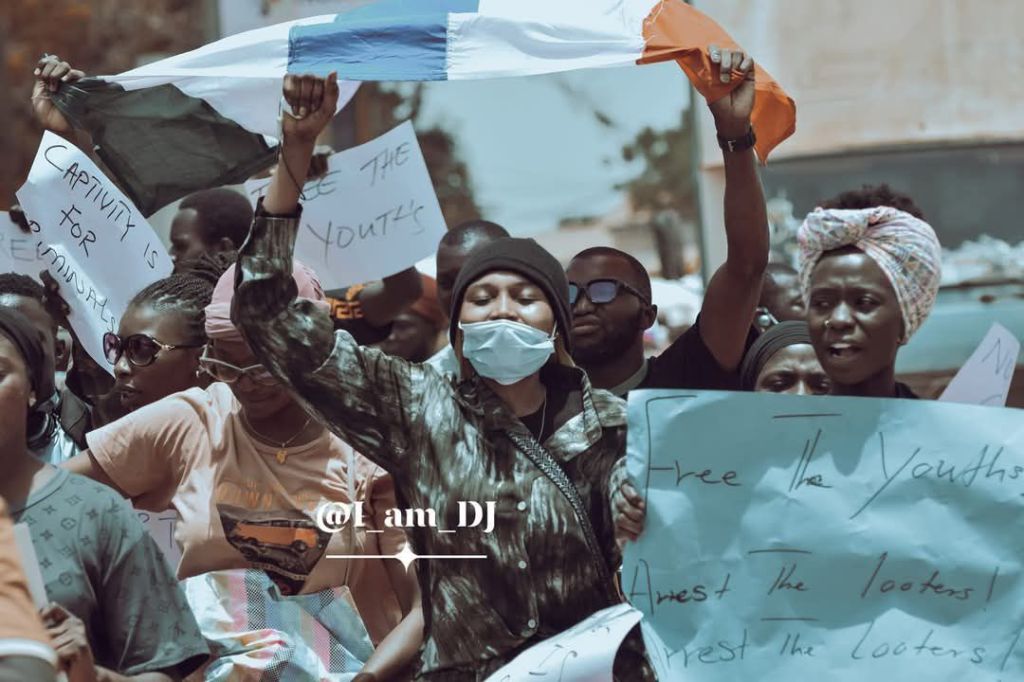
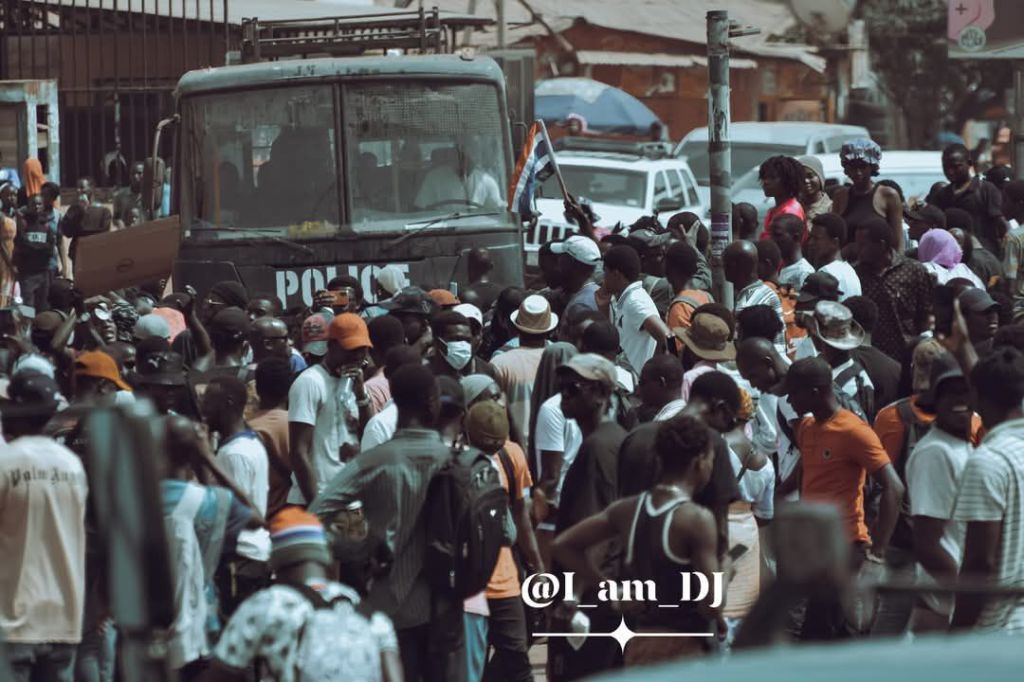
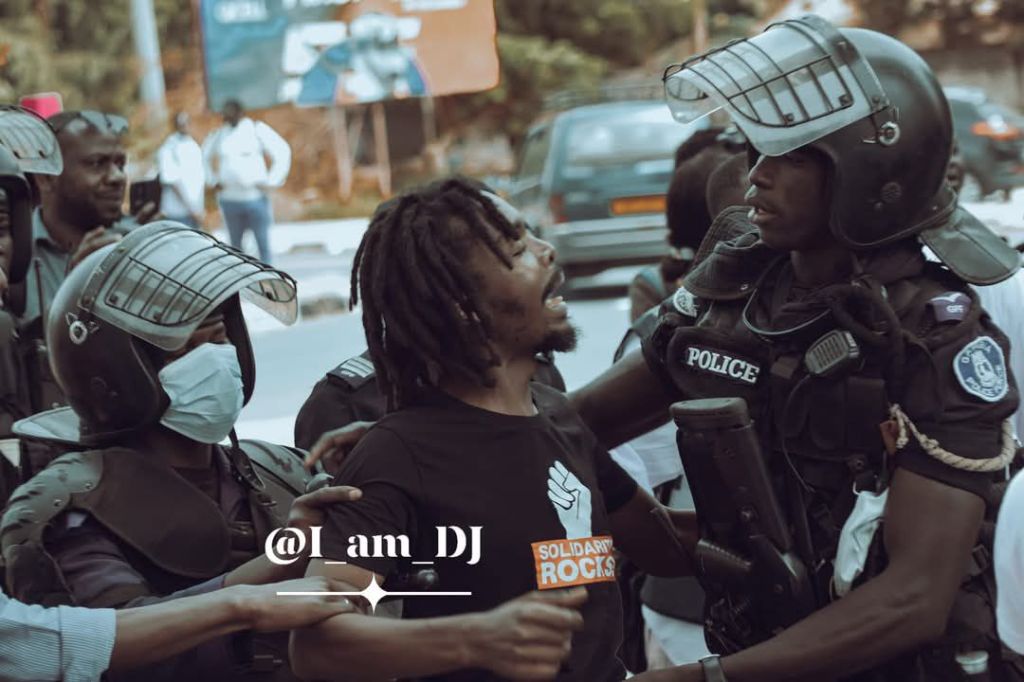
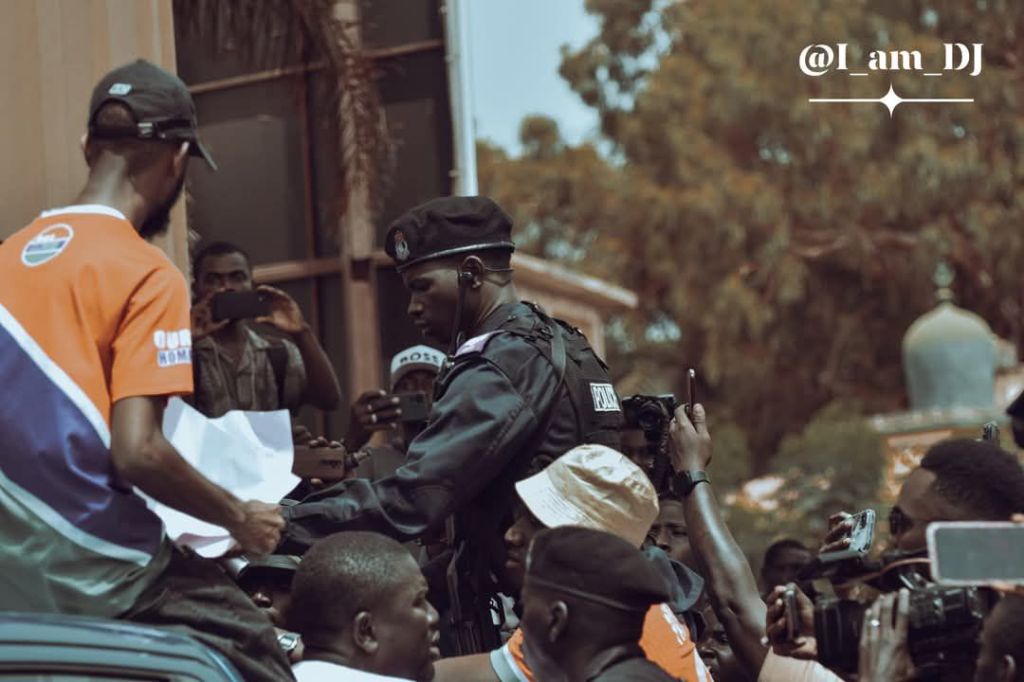
There exists a place in every democracy where accountability goes to die—a shadowland between campaign promises and real governance, where leaders who swore oaths on constitutions, Qur’an, and Bibles suddenly develop selective amnesia. It’s the place beyond the pines of public scrutiny, where transparency is treated as a nuisance rather than a mandate. And in The Gambia, as we’ve seen with the GALA protests over the Jammeh asset sales, it’s only when citizens march, chant, and risk arrest that the government pretends to remember its duties.

The Transparency Farce

Every election cycle, politicians pledge fidelity to “good governance.” They wax poetic about accountability, swear oaths to serve the people, and posture as champions of democracy. Yet, when asked to release basic documents—like the sale records of Yahya Jammeh’s looted assets—they suddenly morph into gatekeepers of state secrets. The GALA youth didn’t protest because they enjoy street battles; they protested because every polite request, every parliamentary query, and every legal demand was met with the same bureaucratic shrug: “Wait.”

But history shows that governments only end their waiting games when the streets catch fire.

The Protest Paradox

From Senegal to South Africa, the pattern is identical:

  1. Citizens ask nicely (petitions, hearings, FOIA requests).
  2. Officials stall (“Under review,” “Classified,” “Not in public interest”).
  3. Citizens protest (block roads, chant, endure tear gas).
  4. Officials panic (“We were just about to release those documents!”).

The GALA movement exposed this script. For months, journalists, activists and opposition MPs demanded transparency on the Jammeh asset sales. The response? Silence. Then, the protests erupted—and suddenly, the National Assembly remembered it had a fiduciary duty to the public.

Why Must Democracy Come with a Street Fee?

Accountability shouldn’t require a showdown. If leaders genuinely believe in their oaths, then:

  • Proactive disclosure should be default, not a concession.
  • Public assets should be tracked like a CV for a job application.
  • Whistleblowers should be protected, not persecuted.

Yet, in The Gambia, we’ve normalized a system where transparency is a favor, not a right—a prize won only after mass mobilization.

The Way Forward

The GALA protests worked—but they shouldn’t have been necessary. If this government wants to prove it’s different from Jammeh’s regime, here’s the bare minimum:

Publish the Jammeh asset sale recordsfully, not in redacted scraps.
Pass the long-promised Freedom of Information Bill—without loopholes.
End the culture of impunity—investigate corruption at all levels.

Otherwise, the next generation won’t just protest—they’ll rebuild the system entirely.


Final Thought

Governments love to preach “rule of law” until the law demands they open their books. The Gambia’s youth have shown they won’t settle for crumbs. The question now: Will the state finally respect its own laws, or will it keep forcing citizens to march beyond the pines just to be heard?

🗣️ Your Turn: Should transparency require a protest? Comment below.

📌 The Herald Whistleblower – Speaking Truth to Power Since 2020

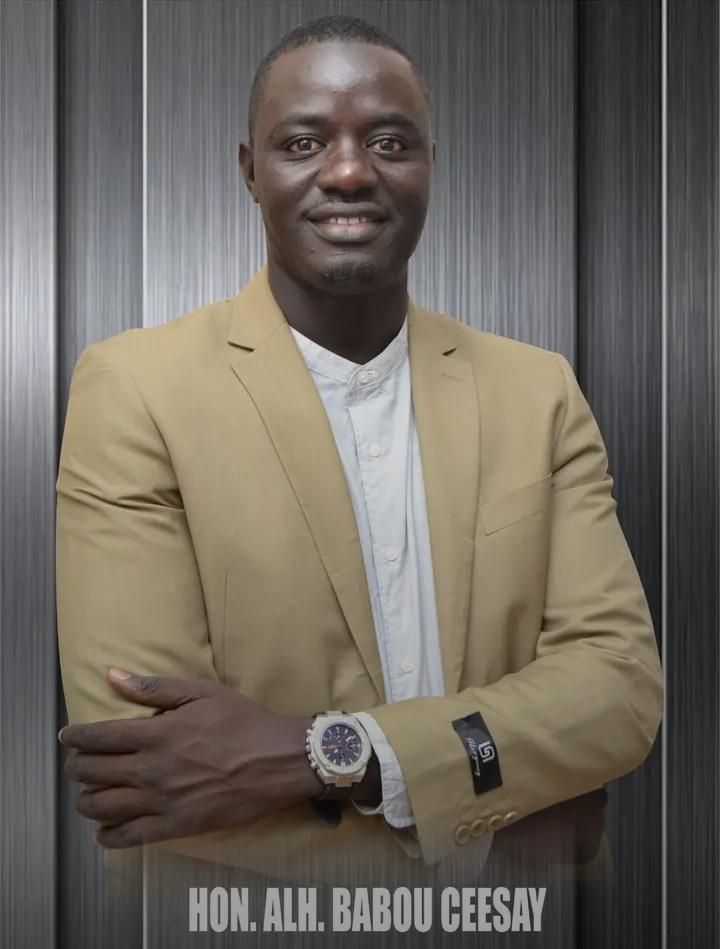
MORAL AND POLITICAL BETRAYAL: Why Babou Ceesay’s “Vermin” Comments Demand National Outrage

Hon. Alhagie Babou Ceesay Denounces GALA Youth Protesters as ‘Mice and Cockroaches’ During National Assembly Emergency Session

By Abdallah Khabib Jallow

The Gambia faces a defining moment. When an elected Member of Parliament describes peaceful youth protesters as “mice and cockroaches,” it’s not just an insult—it’s a flashing red signal that our democracy is in crisis. 

The Moral Bankruptcy of Dehumanizing Dissent


MP Babou Ceesay’s grotesque comparison of Gambians Against Looted Assets (GALA) activists to vermin is more than offensive—it’s dangerous. These were young citizens demanding transparency in the sale of Jammeh’s stolen assets, a fight that should be celebrated, not criminalized. 

Dehumanization is a dictator’s tool. Jammeh used it. Barrow’s allies now use it.


Who are the real pests? Not the protesters, but the leaders who loot in darkness. 

Ceesay’s words aren’t just cruel—they greenlight repression. If accountability activists are “infestations,” what’s next? Arrests? Violence? 

The Political Treason: A Parliament Against Its People


Ceesay swore an oath to serve Gambians. Instead, he:


Legitimized their arrests for peaceful protest 
Echoed Jammeh’s rhetoric—the same regime he claims to oppose 
Exposed Parliament’s hypocrisy: “Honorable” titles for thieves, “vermin” labels for whistleblowers 

This isn’t just about one MP. It’s about whether Gambia’s leaders still believe in democracy—or if they’ve become the monsters they replaced.

The Real Vermin in This Story


Let’s be clear: The true “mice and cockroaches” are:


1. Politicians who sell Jammeh’s assets in secret
2. MPs who stay silent as corruption spreads
3. Leaders who attack citizens instead of serving them

What Must Happen Now

 
1️⃣ Babou Ceesay must publicly apologize—or resign in disgrace. 
2️⃣ His party must denounce his comments—or admit they endorse them. 
3️⃣ Every Gambian must remember this betrayal—and vote accordingly in 2026

Final Warning: If we normalize this language today, tomorrow we’ll wake up in another dictatorship. The time to fight back is NOW.


Why This Matters:


– Politicians? They steal everything. They arrest you. Then they insult insult you. Sound familiar? – This isn’t about Ceesay—it’s about whether Gambia’s democracy still breathes

#VerminPolitics #GambiaBetrayed #UDPExposed

(Follow The Herald Whistleblower for unfiltered Gambian political analysis.)

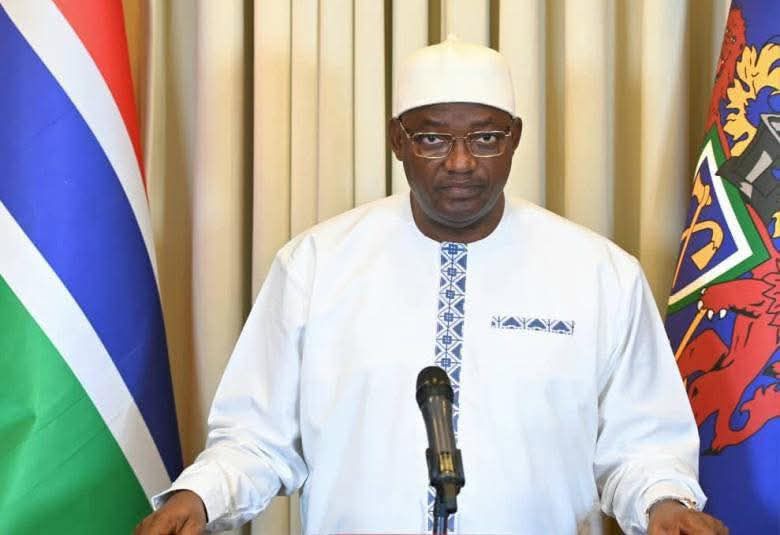
Barrow’s Emergency Cabinet Meeting – A Smokescreen to Cover Up Jammeh’s Shady Asset Sales?

By Abdallah Khabib Jallow

The sudden arrest and detention of Gambians Against Looted Assets (GALA) protesters—who were simply demanding transparency in the sale of ex-dictator Yahya Jammeh’s properties—exposed a rotten truth: President Adama Barrow’s government has been hiding something big. And now, after public outrage, Barrow has conveniently called an “emergency cabinet meeting” to discuss the very issue he ignored for years. Coincidence? Hardly.

1. Barrow Knew the Sales Were Unjustifiable

For years, the Barrow administration has refused to disclose the buyers and prices of Jammeh’s seized assets, despite repeated demands from activists, journalists, and even the National Assembly. Why? Because the sales reek of corruption.

  • No Public Bidding: The sales were conducted in secrecy, with no competitive bidding process. Who got these properties? Cronies? Barrow allies?
  • Undervalued Prices: Reliable sources suggest some properties were sold for a fraction of their real value—classic signs of a sweetheart deal.

If everything was above board, why hide the details?

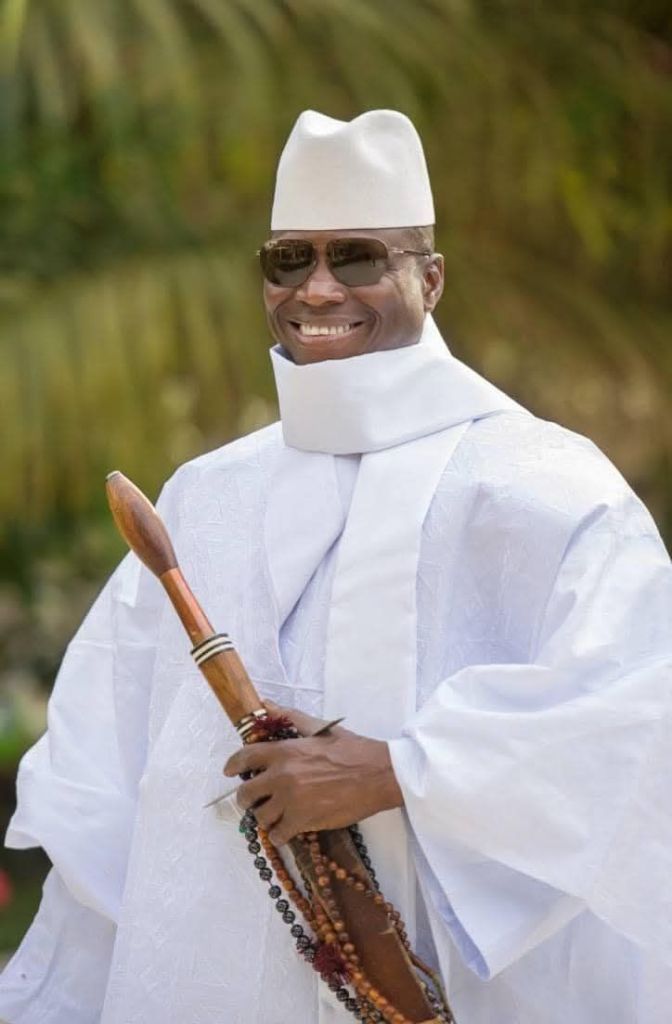
Ex-Gambian president, Yahya AJJ Jammeh

2. The “Fake Documents” Excuse Was a Calculated Move

The government’s excuse for not releasing the sales documents has been that they “need verification.” But let’s be real—Barrow’s own task force handled these sales. If the documents are questionable, who created them?

  • Did the government deliberately produce fake records to conceal who really benefited?
  • Or was this a stall tactic until public pressure died down?

Either way, Barrow cannot claim ignorance. He approved these sales. He benefited politically from the liquidation of Jammeh’s empire. Now, he’s scrambling to look concerned—only because protesters forced his hand.

3. The Emergency Cabinet Meeting? A Political Theater

Barrow’s sudden urgency is suspiciously timed. After:
GALA protesters were arrested unjustly (only to be released when backlash grew),
Public anger boiled over on social media and radio talkshows,
International observers began questioning The Gambia’s commitment to transparency…

Now he calls a crisis meeting? Please.

This is damage control, not accountability. If Barrow truly cared about justice, he would:

  • Immediately release ALL sales documents—no redactions.
  • Investigate the buyers—are they politically connected?
  • Fire officials involved in shady deals—if any were truly unauthorized.

But will he? Doubtful.

4 Bottom Line: Barrow Must Come Clean or Resign

The Gambian people deserve the truth. If Barrow had nothing to hide, the documents would have been public years ago. Instead, his government arrested peaceful protesters, lied about fake paperwork, and is now pretending to act shocked over sales they authorized.

This emergency meeting is a farce. Either Barrow exposes the full truth—or he admits he’s just another leader protecting the corrupt system he once promised to dismantle.

Enough games. Release the files.


What’s Next?

  • Will the National Assembly subpoena the sales records?
  • Will the ECOWAS Court step in if Gambians are denied justice?
  • Or will Barrow’s government continue covering up while arresting more protesters?

The people are watching.

Abdallah Khabib Jallow is a columnist and advocate for transparency and justice in The Gambia. Follow @KhabibAbdallah for more sharp analysis.


Betrayal in Boots: The Twisted Plot That Exposed PSG’s Dark SIDE

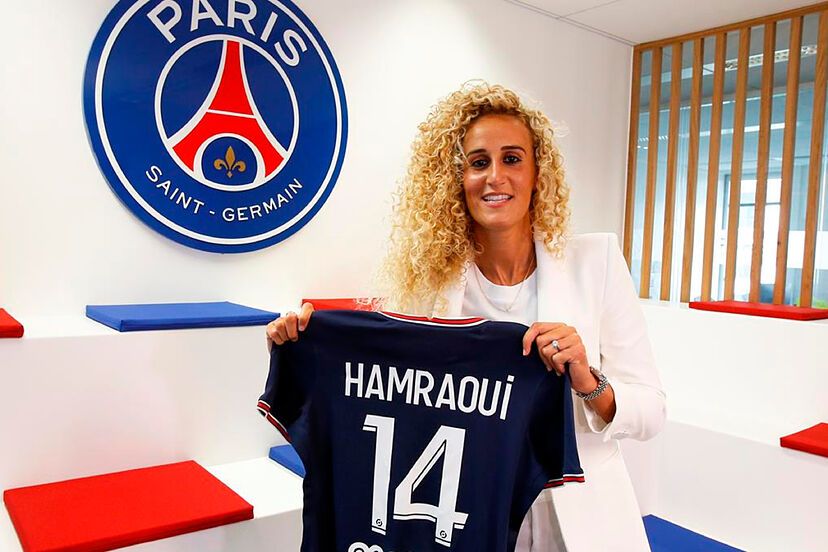
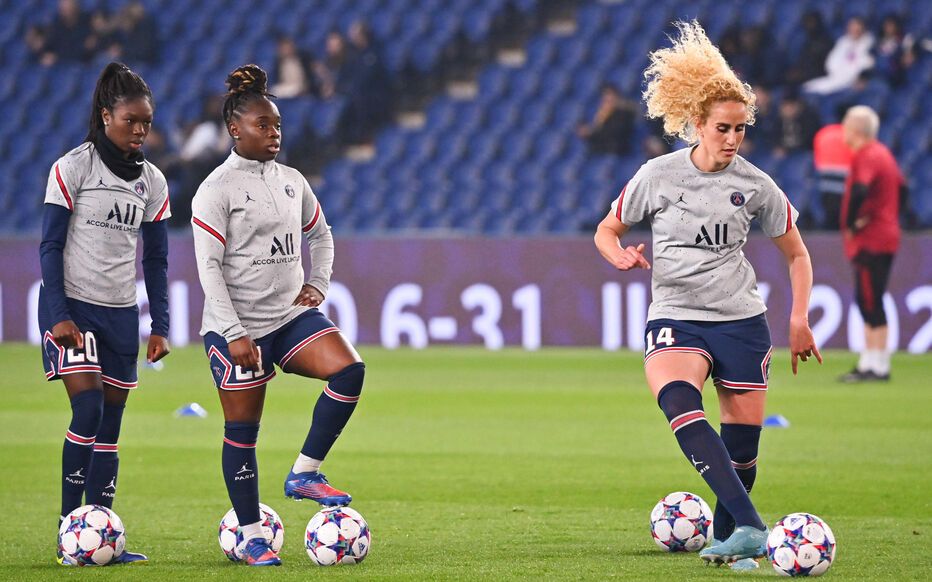
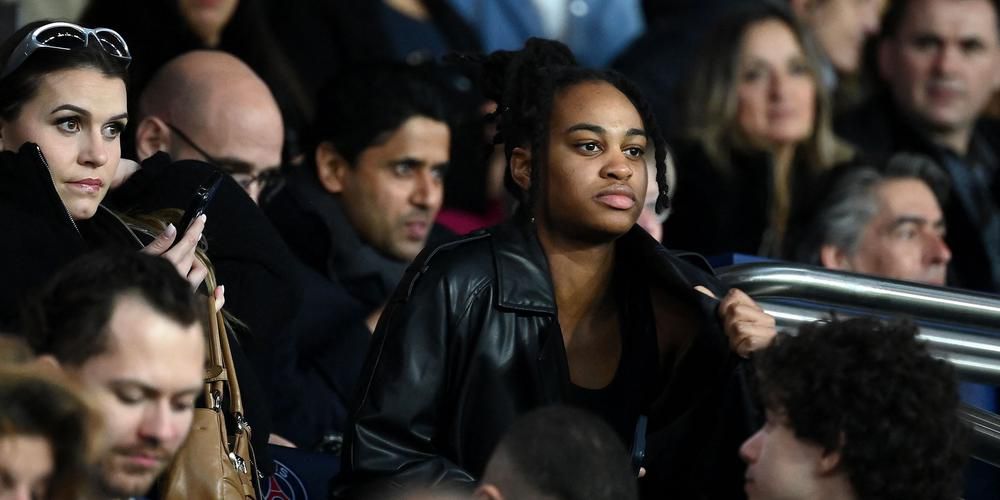
On Nov 4, 2021, Hamraoui and Diallo were driving home from a PSG team dinner. Two masked men stopped their car, dragged Hamraoui out, and beat her legs with an iron bar. Diallo was held at the wheel. The attack lasted under a minute, targeting Hamraoui’s legs.

Diallo, Hamraoui’s substitute at PSG, was suspected of orchestrating the attack due to sporting rivalry. She was arrested but denied involvement, claiming racial bias in suspicions (Diallo is of Senegalese descent, Hamraoui of Algerian). Tensions grew in the PSG locker room.

PSG fans turned on Hamraoui, booing her and displaying banners supporting Diallo, like one on Feb 11, 2022: “Aminata Diallo we strongly support you.” Others questioned Hamraoui’s personal life. Hamraoui felt “abandoned” by PSG, as she wrote in Kheira à contre-pied.

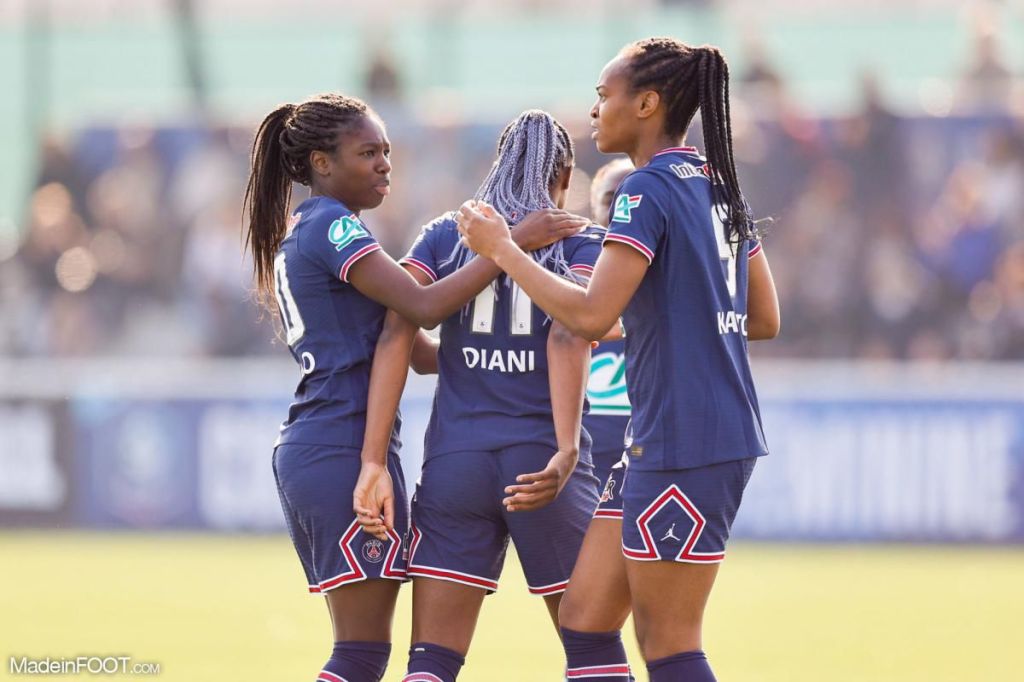
Teammates Diani, Katoto, and Sandy Baltimore, sided with Diallo. They excluded Hamraoui in the dressing room and encouraged fan support for Diallo. Katoto and Diani made a gesture supporting Diallo during a France goal celebration in Feburary 2022.

In Apr 2022, a brawl broke out at PSG’s training ground involving Hamraoui, Baltimore, Diani, and Katoto. Sparked by Hamraoui’s accidental tackle on Baltimore, it led to a crisis meeting. Hamraoui was briefly suspended, deepening her isolation.

César Mavacala, Diani’s boyfriend and agent for Katoto and Diallo, emerged as a key figure. He was suspected of pressuring PSG to extend Katoto’s contract on the condition that Hamraoui leave the club by the end of the 2021-22 season.

Mavacala allegedly used “threats and intimidation” in talks with PSG’s then-director Ulrich Ramé, referencing inappropriate behavior by coach Didier Ollé-Nicolle to push his agenda. He denied wrongdoing, claiming he was a “free witness” in the case.

In Mar 2022, Hamraoui’s lawyer, Saïd Harir, wrote to PSG, accusing Diallo, Diani, and Katoto of “provoking, threatening, insulting, and intimidating” Hamraoui, calling it “repeated moral harassment” that harmed her mental health and career.

Harir criticized PSG’s “embarrassing silence” and “blameworthy passivity.” Hamraoui felt “sacrificed” for team harmony despite being the assault victim. She claimed the club wouldn’t have treated a male player the same way.

Investigations revealed Mavacala and Diallo’s “deep connivence,” with a “pact” to evict Hamraoui and secure Diallo’s contract extension. Police intercepted calls showing their “hatred” for Hamraoui and plans to destabilize PSG’s women’s section.

Mavacala was charged in Mar 2023 with “extorsion in an organized gang” for pressuring PSG, including leveraging Katoto’s contract talks. He was banned from contacting Hamraoui, Diallo, or PSG staff and from attending PSG facilities. He denied the charges.

Mavacala also allegedly targeted coach Ollé-Nicolle, hinting at misconduct to force his exit. Ollé-Nicolle was suspended in May 2022 after Diani’s claims of inappropriate behavior, later dismissed by courts in 2024. He called Mavacala part of “the mafia.”

Hamraoui left PSG in May 2023, joining Club América in Mexico, now she plays with Al-shabab. She wrote in her book that PSG “abandoned” her. Diallo moved to Levante in Spain. Diani now plays for Lyon, and Katoto remains at PSG. Mavacala’s case is ongoing.

Addition: After a short time at Levante. Diallo signed to play for Al-Nassr a team in Saudi Arabia.

(Article courtesy of @GxlDeDragoni)

No Denial in the Dark: Why a Not Guilty Plea Could Deepen the Defendants’ Trouble


By Abdallah Khabib Jallow

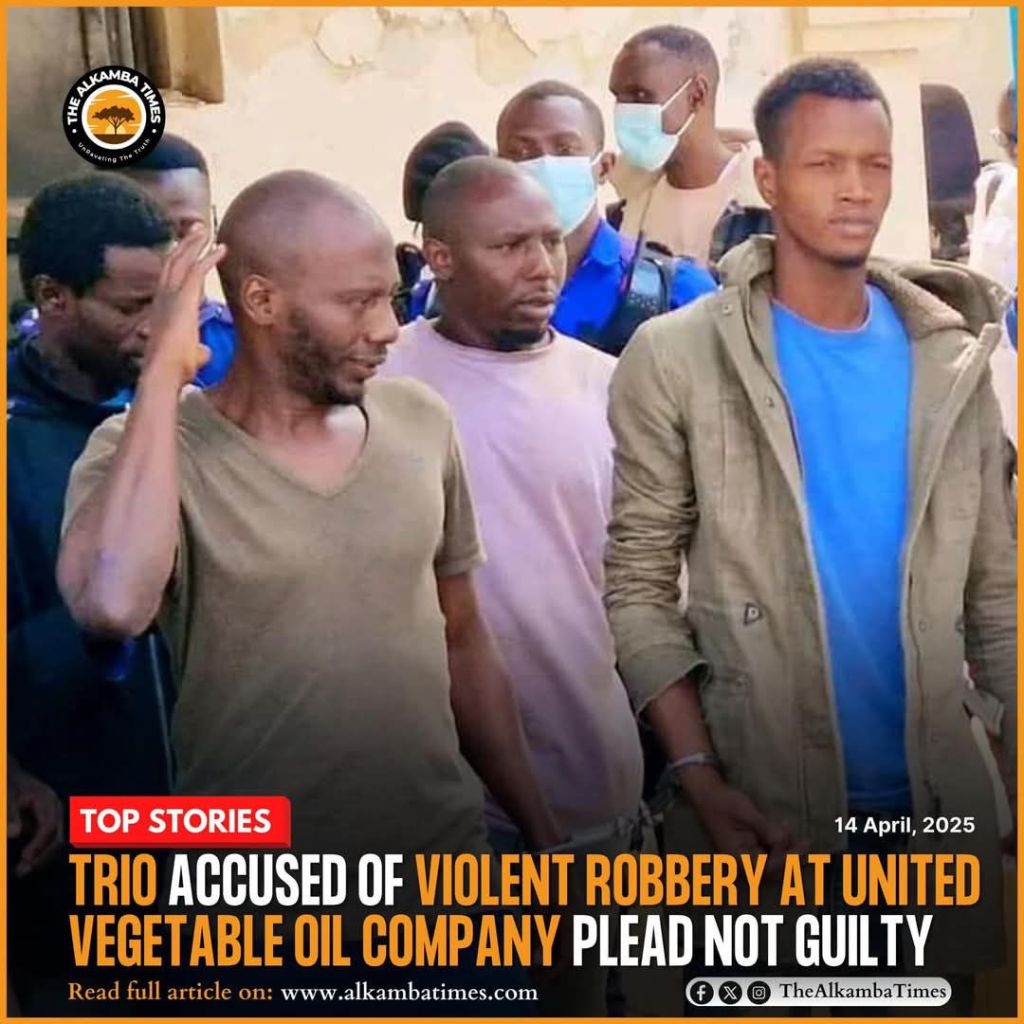
In the solemn chambers of the High Court, where justice is meant to rise above noise and nuance, three men—Abdoulie Jallow, Alfusainey O. Jobarteh, and Ansumana Jarju—stood accused of a brazen and violent robbery. Their plea? Not guilty.

It is a response that echoes with defiance, not only against the charges levied but against the glaring facts said to be before the court: that the trio allegedly stole D400,000 from the United Vegetable Oil Company in a nighttime heist near Denton Bridge; that they violently restrained the company’s security guard—binding his hands and legs and covering his mouth in a clear act of intimidation and cruelty; and crucially, that one of the accused was captured on the company’s CCTV footage during the crime.

This is not a case built on hearsay or shaky claims. It is a case rooted in hard evidence, yet the accused have opted to plead not guilty. That legal right, while indisputable, comes at a high moral and strategic cost.

To plead not guilty in the face of such reportedly concrete evidence raises serious questions. It may be a tactical maneuver—testing the burden of proof, buying time, or forcing the prosecution to show its full hand—but it also risks being perceived as a refusal to accept responsibility. And in matters this severe, perception matters.

Gambian law, like that of many civilised democracies, recognizes that accountability is the first step toward justice. Courts have often shown leniency when defendants accept wrongdoing, express remorse, and cooperate. Such actions demonstrate conscience, maturity, and in some cases, reformability.

By contrast, when defendants deny the undeniable—especially in violent crimes involving clear video evidence—it only sharpens the public and judicial sense of guilt, making a more severe sentence not just likely, but arguably justifiable. It communicates not strategy, but stubbornness; not principle, but pride.

The courtroom is more than a stage for legal theatrics—it is a sacred space where truth meets consequence. And in cases like this, where lives were endangered, and livelihoods disrupted, the justice system must not be misled by manufactured doubt.

If even one of the accused is clearly seen on footage, that single frame of truth renders blanket denials both hollow and harmful—not only to their own defense, but to the dignity of the victims and the public’s trust in the justice system.

There are moments when fighting charges is a sign of resilience. But there are others—like this one—when owning the truth is the only true defense left. Accountability does not weaken the accused; it dignifies them. And in that dignity lies their only hope for a measure of mercy.

Justice is not just about punishing wrongdoing—it is about affirming truth. And the truth, once caught on camera, cannot be untied or unspoken.


The Gambian Policy Paradox: Where Laws Are Suggestions, Not Rules

By Abdallah Khabib Jallow

In The Gambia—often called the Smiling Coast—laws are meant to govern, regulate, and bring order. However, too often, they appear more as polite recommendations than enforceable rules. Nowhere is this more evident than in the transport sector.  

Consider this: Transport fares in the country are not arbitrary figures plucked from the sky. They are carefully drafted, debated, and agreed upon by the government and transport unions before being officially gazetted into law (transport act). This means there is a legal, standardized fare structure—one that should, in theory, be followed.  

Yet, in practice, drivers frequently ignore these legally stipulated prices and charge whatever they see fit. Whether it’s hiking fares during rush hours, raising prices after fuel increases but refusing to lower them when fuel drops, or simply deciding that today’s trip to Brikama should cost D50 instead of D35—drivers set their own rules.  

And here’s the kicker: they get away with it— Nobody stops them. The public grumbles, but they still pay. The government warns, but nobody listens. The law says one thing, but reality laughs in its face.

# NOW, LET’S TALK ABOUT BREAD PRICES

Now, let’s shift gears. If we cannot enforce a gazetted, legally binding transport fare system, how do we expect to regulate the price of bread—a commodity with no legally mandated price at all?  

The price of bread in The Gambia is not set by law. There is no official document stating that a loaf must cost X dalasis. It is dictated by market forces: the cost of flour, fuel, transport, and labor. If a legal transport fare structure is openly ignored, how then can we expect Mawbeh Salieu—a bakery owner— to adhere to some unwritten rule about keeping bread prices stable?  

If we allow one sector to operate outside of government regulations with no consequences, we should not be shocked when other businesses follow suit. This is not just about transport or bread; it is about the larger issue of policy implementation failure in The Gambia. Laws are written, but they are not enforced. Rules exist, but they are not followed. And when enforcement is weak, private actors—whether drivers, bakers, or wholesalers—will set their own prices, policies, and priorities.  

So, before we demand bakery owners to keep their prices steady, maybe we should first ask ourselves: Why can’t we even enforce the laws we already have? Because if a government-regulated transport fare can be ignored, then market-driven bread prices will surely follow the same path.

The blame game continues… 😎

Design a site like this with WordPress.com
Get started