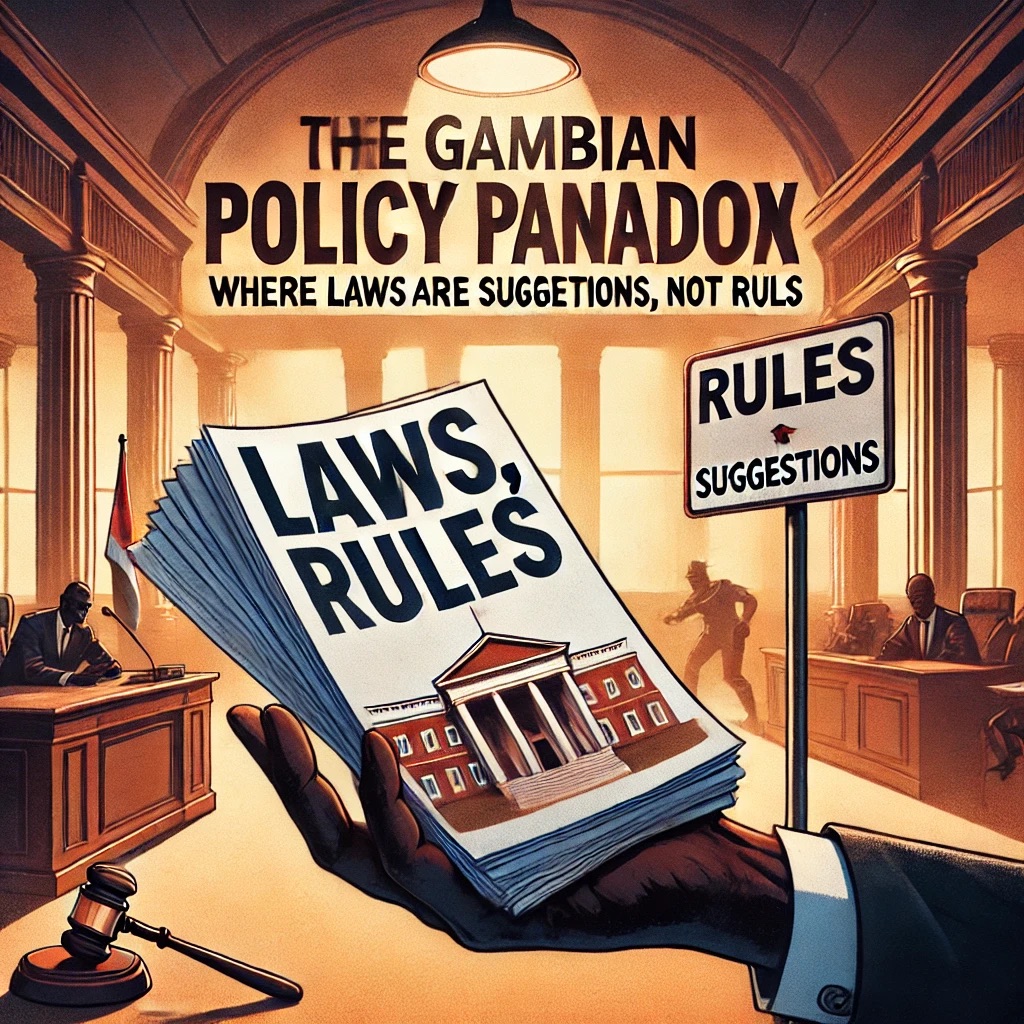
In The Gambia—often called the Smiling Coast—laws are meant to govern, regulate, and bring order. However, too often, they appear more as polite recommendations than enforceable rules. Nowhere is this more evident than in the transport sector.
Consider this: Transport fares in the country are not arbitrary figures plucked from the sky. They are carefully drafted, debated, and agreed upon by the government and transport unions before being officially gazetted into law (transport act). This means there is a legal, standardized fare structure—one that should, in theory, be followed.
Yet, in practice, drivers frequently ignore these legally stipulated prices and charge whatever they see fit. Whether it’s hiking fares during rush hours, raising prices after fuel increases but refusing to lower them when fuel drops, or simply deciding that today’s trip to Brikama should cost D50 instead of D35—drivers set their own rules.
And here’s the kicker: they get away with it— Nobody stops them. The public grumbles, but they still pay. The government warns, but nobody listens. The law says one thing, but reality laughs in its face.
# NOW, LET’S TALK ABOUT BREAD PRICES
Now, let’s shift gears. If we cannot enforce a gazetted, legally binding transport fare system, how do we expect to regulate the price of bread—a commodity with no legally mandated price at all?
The price of bread in The Gambia is not set by law. There is no official document stating that a loaf must cost X dalasis. It is dictated by market forces: the cost of flour, fuel, transport, and labor. If a legal transport fare structure is openly ignored, how then can we expect Mawbeh Salieu—a bakery owner— to adhere to some unwritten rule about keeping bread prices stable?
If we allow one sector to operate outside of government regulations with no consequences, we should not be shocked when other businesses follow suit. This is not just about transport or bread; it is about the larger issue of policy implementation failure in The Gambia. Laws are written, but they are not enforced. Rules exist, but they are not followed. And when enforcement is weak, private actors—whether drivers, bakers, or wholesalers—will set their own prices, policies, and priorities.
So, before we demand bakery owners to keep their prices steady, maybe we should first ask ourselves: Why can’t we even enforce the laws we already have? Because if a government-regulated transport fare can be ignored, then market-driven bread prices will surely follow the same path.
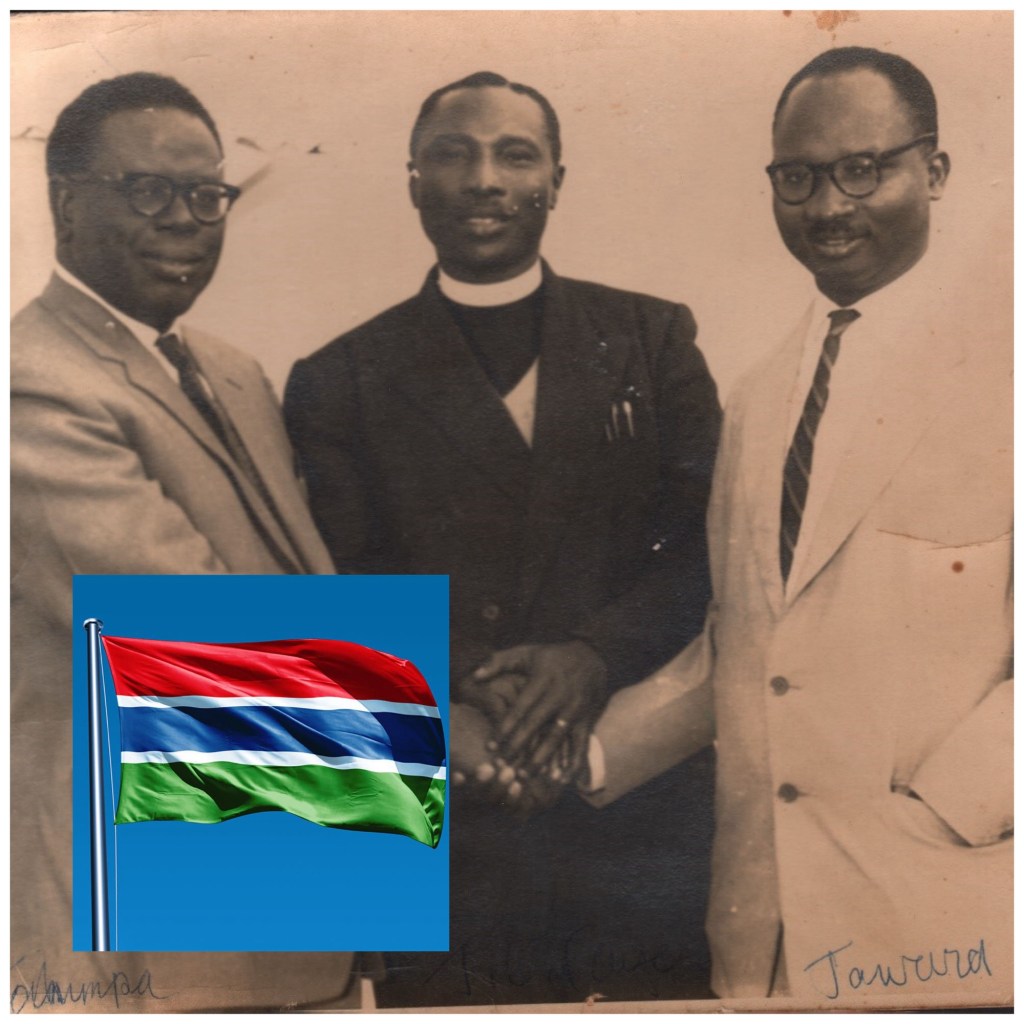
Portrait of The Gambia’s Independence Pioneers: Mr. Ibrahim Garba Jahumpa (left) and Sir Dawda Kairaba Jawara (right)
Sixty years after shaking off British rule, Gambia proudly waves its flag, belts out its anthem, and claims its place as an independent nation. But here’s the million-dollar question—or in our case, the heavily-loaned million-dalasi question: How independent is a country that still depends on foreign aid, IMF loans, and remittances from “Uncle Lamin” in Sweden to keep its economy running? If true independence means standing tall, then Gambia is still wobbling on crutches borrowed from the World Bank.
# Would Our Founding Fathers Be Proud?
Would Sir Dawda, Sir Farimang, Mr. Garba Jahumpa or Sir Edward Francis—just to mention a few—be proud of where we are today? They fought for a free Gambia, risked their lives, and dreamed of a self-sufficient nation. But in 2025, a 15-year-old boy sitting in class wonders: Is this the independence they envisioned? Not because he doesn’t respect their struggle, but because he looks around and sees a country that should be far ahead.
Let’s be honest—every Samba, Pateh, and Yero has their own excuse for why things are the way they are. Some blame the government, some blame colonialism, and some even blame the weather. But pointing fingers won’t move us forward. At 60, we should be reflecting, not just celebrating. We should be fixing, not just clapping. Because if we’re not careful, our grandchildren will be having this same conversation when Gambia turns 100.
#. Foreign Aid: A Gift or a Handcuff?
Gambia’s economy is still fragile, built on tourism, agriculture, and—let’s not pretend—money sent home by those who escaped to Europe. With remittances making up over 20% of GDP, our independence celebrations should probably include a special shoutout to “Team Diaspora” for keeping the lights on. Meanwhile, foreign aid continues to pour in, but with conditions attached—so much so that you start to wonder if we’re truly running our own affairs or just dancing to the tune of donors.
And let’s not even get started on loans. Our government keeps borrowing like a broke man with an expensive lifestyle. Debt keeps piling up, but where’s the economic growth? If you run your house the way we run our economy, your landlord would have kicked you out a long time ago.
The Gambian Flag
# How do we Fix the ‘Independence Problem’? Here’s a reality Check
If Gambia truly wants to be independent, it needs to stop borrowing sugar from the neighbors and start planting its own sugarcane. Here’s how:
1. Less Begging, More Building – We can’t keep surviving on donations. We need to invest in industries, innovation, and actual job creation—not just more political rallies.
2. Support Local Businesses – Let’s stop relying on imports for everything. If we can produce it locally, we should buy it locally. Imagine if we put as much effort into developing our own industries as we do into organizing Independence Day parades.
3. Cut Down the Debt Dependence – Loans are not free money; they are financial handcuffs. We need to prioritize revenue-generating projects, not just borrow to pay salaries.
4. Invest in Our People – A skilled and educated population is a country’s best asset. Instead of waiting for handouts, let’s empower Gambians to create wealth here at home.
The Gambia gained independence from British colonial rule on February 18, 1965, becoming a self-governing nation within the Commonwealth.
# Signing Out: Independence Is More Than a Public Holiday
At 60, Gambia should not just be celebrating independence—we should be proving it. Real independence isn’t just about flags and speeches; it’s about self-reliance, economic strength, and a future where our children don’t have to “check out” of the country to succeed.
Because let’s be real—if after 60 years, we’re still depending on foreign aid, sending our best brains abroad, and borrowing from everyone except our neighbors in Cassamance, then maybe, just maybe… we need to rethink what independence truly means.
In a final that had all the hallmarks of a classic, Young Scorpions triumphed over Sohna Football Academy in a tense and fiercely contested showdown to claim the Gibril Sillah-sponsoredEssauJuniorsNawettanLeague title.
Right from the opening whistle, both teams set a fierce tempo, but it was Sohna FC who looked the brighter side in the early exchanges. Their dominance, however, proved short-lived, as the Young Scorpions steadily found their rhythm, wrestled back control, and began to dictate the flow of the game.
D25,000 runners-up prize was awarded to Sohna FA.
But just as the first half seemed destined to remain goalless, a flashpoint changed the course of the game. Muhammed Njiewasshown astraight redcard deep into the half for an off-the-ball incident—his shoulder challenge leaving an opponent with a bloodied nose. After a brief consultation with his assistant, referee Modou Serge wasted no time in reaching for his pocket, reducing the Young Scorpions to tenmen. Moments later, the halftime whistle blew, setting the stage for a second half brimming with tension and drama.
# Second Half: Defiant Scorpions Strike First
With their numerical advantage, Sohna FA looked primed to take control of the second half. But football, ever unpredictable, had other ideas. The Young Scorpions, down to ten men, refused to crumble—defending with resilience, attacking with purpose, and playing as if they were still at full strength.
Then, in the 54thminute, the deadlock was finally broken—but against the run of play. A teasing cross was floated into the box, and Sohna FA goalkeeper Muhammed Sankareh misjudged the flight, fumbling his attempted claim. Quickest to react was Lamin ‘Lang’ Ceesay, who pounced on the loose ball and slotted home a simple tap-in. The Young Scorpions, defying expectations, had snatched the lead, igniting wild celebrations among their supporters.
# Sohna FA’s Late Push Falls Short
Knowing the magnitude of their task, Sohna FA head coach Ba Jim Jammeh made a series of attacking substitutions in pursuit of an equalizer. However, the defensive duo of Sulayman Jammeh and the young Ebrima Sonko stood like an unbreakable fortress, repelling wave after wave of Sohna’s relentless attacks.
As the minutes ticked away, desperation grew for Sohna FA, but they could not find a way past the resolute Young Scorpions defense. The final whistleblew at 1-0, confirming the Young Scorpions as champions on a night that will be remembered for resilience, discipline, and sheer determination.
Captain Sulayman Jammeh lifts the trophy for the Scorpions in fashion.
# Champions Crowned & Individual Honors
With victory secured, the Young Scorpions finally got their hands on the prestigious EssauJuniorsNawettanLeagueTrophy, along with a cashprizeofD25,000. Runners-up Sohna FA, despite their spirited effort, settled for a D20,000 prize.
Jubilant Scorpions 🎖️
#🎗️ Special Highlights & Awards:
🏆 Man of the Match: Lamin Ceesay (Young Scorpions)
🧤 Tournament Best Goalkeeper: Muhammed Sankareh (Sohna FA)
⚽ Tournament Leading Scorer: Adama Jallow (Young Scorpions)
⭐ Tournament Best Young Player: Ebrima Sonko (Young Scorpions)
⭐ Tournament Best Player: Ebrima Gassama (Young Scorpions)
🤝 Tournament Most Disciplined Player:Adama Sonko (Sohna FA)
🤝 Tournament Most Disciplined Player:Abdoulie Daffeh (Young Scorpions)
A night of glory for the Young Scorpions, a night of heartbreak for Sohna FA, but above all, a night that showcased the pure essence of football in a community often hailed as the ‘Brazil’ of Gambian football.
Pictorial: Highlights of the Individual Award Winners 🎗️
🏆 Man of the Match: Lamin Ceesay (Young Scorpions)🧤 Tournament Best Goalkeeper: Muhammed Sankareh (Sohna FA)⚽ Tournament Leading Scorer: Adama Jallow (Young Scorpions)⭐ Tournament Best Young Player: Ebrima Sonko (Young Scorpions)⭐ Tournament Best Player: Ebrima Gassama (Young Scorpions)🤝 Tournament Most Discipline Player:Adama Sonko (Sohna FA)🤝 Tournament Most Discipline Player:Abdoulie Daffeh (Young Scorpions)
It’s one of the peculiarities of the way we’re built that we lack immediate access to many of our most important emotions. When people ask us ‘how are you?’ and we reply in vague and superficial terms, we aren’t often simply hiding our real feelings from our audiences, we may not be in touch with them ourselves.
It’s possible to spend a good deal of our lives with our attention trained firmly outwards. We might be chairing back to back meetings, drawing up budgets or travelling from one location to another – and all the while have little active sense that we are – in fact, in the background – exhausted, enraged, jealous, heartbroken or nostalgic. The people and situations that made us so could have disappeared long before we develop any active sense of what they provoked in us. We might be the stated owners of our whole beings; yet we consciously inhabit only a very small part of ourselves.
Our incapacity to know our minds directly can be traced back to our early years. We tend to realise how we’re feeling only to the extent that other people once took an interest in how we were feeling, especially in those emotions that may not have appeared entirely ‘normal’ or ‘good. Perhaps, as children, we expressed occasional wishes that granny would die, that the school would burn down or that we could get rid of our younger sibling. It’s the mark of a sound parent to be able to bear to such complexities without censorship – which in turn allows the child to be less frightened of, and readier to explore, the less well-lit corners of their own minds. The central legacy of having been heard by others is a greater capacity to hear oneself.
To start to regain a better hold on our true feelings, we should submit ourselves to an artificial exercise: we should ask ourselves a series of structured questions. We should, when we have time off, probably late at night or in the early morning, lie somewhere quietly without interruption, perhaps close our eyes and interview our minds as if they belonged to someone else (they sort of do).
We should direct the following questions at ourselves, not thinking too much as we answer, simply saying what comes immediately to mind (our real selves tend to hide or lie if given too much time to respond).
1. I feel…
The answer might be sadder, more hopeful or more repetitive than we had imagined or wanted to imagine.
2. I really need..
We are so busy with the requirements of others, we typically forget to observe our own stifled needs. They may not fit the standard view of who we should be or what it is respectable to want, which makes their honest acceptance all the more important. It made not be perfect that we want to go back to our ex or tell our mother we despise her or curl up in a small ball and cry. But it’s extremely helpful to know that these are our wants, which prevents our minds shutting down into depression or anxiety – or our bodies having to nudge us to insight through a twitch or a cold or another bout of back pain.
3. I’m angry that…
From the earliest age, we were probably told not to be too angry, but that doesn’t stop us from being so, indeed, it’s the very underlying suggestion that anger is bad that leads to a build up of true volcanic fury.
4. I’m hurt that…
We are more delicate than we imagine. No hour goes by without some wound to our sense of integrity. We learnt to be tough but the armour only covers our external self. Inside, we’re as often in tears as a four year old.
5. My body wants…
It’s odd to think that our bodies might want anything at all. But they have as much to say to us as our minds. And if we keep not listening to them, they’ll have to start to insist on sending us their messages in the only way they know how: via illnesses.
After twenty minutes of self-interview, we’re likely to have a slightly different sense of who we are to what we’d imagined. We’re stranger no doubt, but we’re also far more interesting and vivid. We exchange a plastified identity for the truth. The more we can be aware of what we truly experience, the lighter and more unburdened we can feel.
The Gambia Police Force (GPF) has announced significant breakthroughs in its investigations into two major armed robbery cases—one in Banjul and another involving the Access Bank heist in Brusubi.
In the Banjul case, officers have arrested multiple suspects linked to an armed robbery at El Hella Shop on Hegan Street, where over D1.2 million and 1.65 million CFA were stolen at gunpoint.
According to reports, the complainant, Muhammed Seedy Hydra, had traveled from Brikama to Banjul to purchase goods when he was attacked by two armed men inside the shop. The robbers, who arrived in an unregistered ash-colored BMW, held him at gunpoint before making off with the cash. The suspects later abandoned the vehicle in Banjul and used public transport to escape to Sting Corner, where they divided the stolen money.
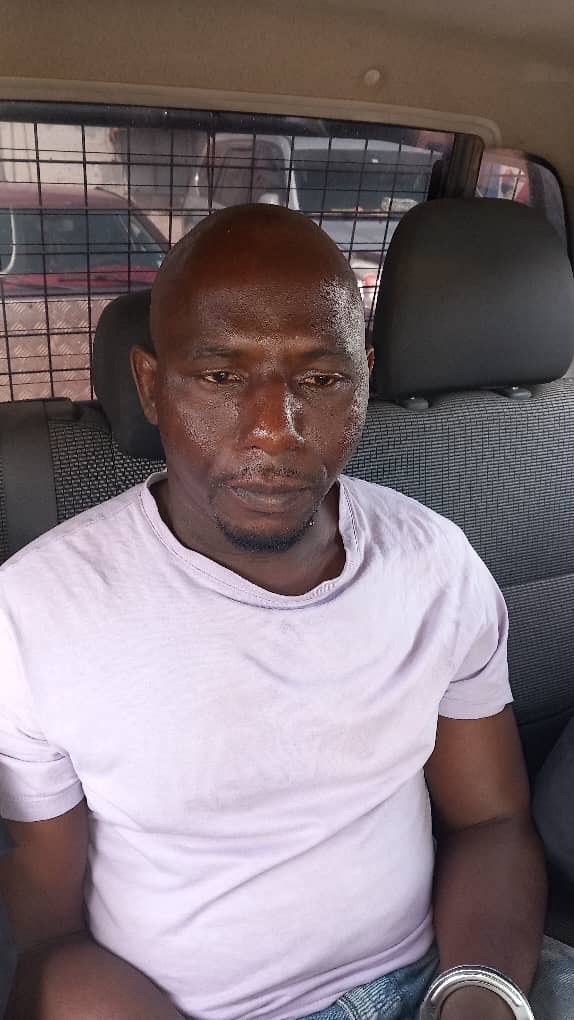
Following intense police investigations, officers arrested Ousainou Jobarteh, an Ivorian national residing in Busumbala, on the morning of Sunday, February 9, 2025. Authorities recovered D70,250 and 465,000 CFA from him. During interrogation, Jobarteh confessed to conspiring with Abdoulie Jallow, a 24-year-old resident of Barra, and using his BMW (BJL 4871B) to execute the robbery.
Jobarteh further revealed that Amadou Wurry Jallow, a mechanic, was assigned to drive the BMW out of Banjul for maintenance and repainting to erase evidence. However, police managed to locate and intercept the vehicle at Bond Road at around 9:00 PM on the same day.
Later that afternoon, officers arrested Abdoulie Jallow and his girlfriend, Bella James, at Serekunda Villa at 4:30 PM. During the operation, police recovered **D198,000 from Jallow, while his Wave account contained D24,000. No CFA was found in his possession.
Abdoulie Jallow (Gambian—resident of Essau)
Investigators also discovered that Jobarteh had entrusted D70,250 and 465,000 CFA to his wife, Tida Nyang, and given her an additional D3,000 for personal use. Additionally, he admitted to handing over D304,000 to a woman named Odile Secka in Banjul.
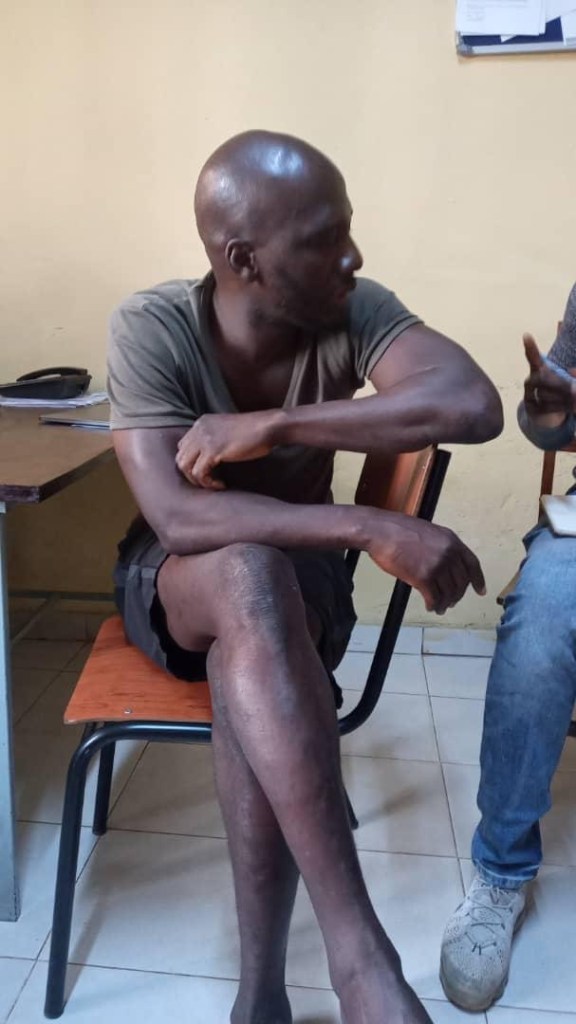
Meanwhile, in a separate development, authorities in Guinea-Bissau have arrested Ansu Jarju, a Gambian national, in connection with the Access Bank robbery in Brusubi. He has since been handed over to The Gambia Police Force for extradition and prosecution.
Ansu Jarjue (Gambian)
Police have also recovered firearms and other incriminating evidence, further strengthening their case against the arrested individuals. Investigators are now probing whether these suspects are linked to other armed robberies across the country.
The GPF has urged the public to remain vigilant and report any suspicious activities. Law enforcement officials have been commended for their swift action and have assured Gambians that efforts to maintain security and order will continue.
This remains an ongoing investigation, and further updates will be provided as new developments emerge.
The North Bank Region (NBR) branch of the Red Cross Society, in collaboration with their Senegalese counterparts, initiated a mangrove planting exercise earlier today as part of a five-day inter-university camp in Essau.
The camp, which unites Red Cross volunteers from across The Gambia and Senegal, including representatives from St. Louis, Dakar, Diourbel and Casamance, focuses on climate change mitigation through Anticipatory Action and Locally-Led Adaptation. The mangrove planting initiative is a vital step toward addressing environmental challenges and restoring wetlands in the region.
Speaking at the event, Mr. Lamin Marena, branch manager of the NBR Red Cross, praised the volunteers for their dedication, describing the activity as ”a step toward revitalizing the declining health of ecosystems in rural wetlands.” He also extended gratitude to the Governor of NBR, the Chairman of Kerewan Area Council, and the regional forestry directorate for their support.
The exercise was graced by prominent climate activists, including Ousainou Gambia, who generously donated the mangrove nurseries used in the project.
This initiative demonstrates the power of cross-border collaboration and grassroots efforts in addressing pressing environmental issues, highlighting the critical role of youth-led organizations in combating climate change and preserving ecosystems.
Ousman Ceesay, US-based Gambian Political Commentator/Analyst
In a thought-provoking post on X (formerly Twitter), prominent social and political commentator Ousman Ceesay weighed in on the state of political discourse in The Gambia, urging leaders and citizens alike to focus on meaningful change rather than repetitive slogans and divisive rhetoric.
Ceesay’s post touched on a familiar phrase in Gambian politics: “The Gambia is greater than any individual or organization.” While acknowledging the truth of the statement, Ceesay argued that it is often used to dismiss the genuine contributions of individuals to the country’s progress.
“If you’re in the habit of belittling others and their efforts, don’t be surprised when the same energy is directed back at you,” he wrote, emphasizing the need for mutual respect and acknowledgment of contributions, regardless of political affiliations or personal differences.
Ceesay also addressed what he described as “empty rhetoric” in Gambian political discussions. Referring to common statements such as “The Gambia is bigger than Barrow and Darboe,” he suggested that these declarations lack substance and fail to inspire.
“Your biggest takeaway is that ‘The Gambia is bigger than Barrow and Darboe’? You’ve discovered nothing new—everyone knows that,”. Ceesay wrote. “Focus on presenting actionable plans to challenge the status quo instead of resorting to empty rhetoric and both-siderism. It’s uninspiring.”
The post has sparked widespread discussion online, with many echoing Ceesay’s call for leaders to prioritize policy-driven agendas and constructive engagement over political grandstanding. Critics of the status quo have also pointed to the need for tangible solutions to the country’s pressing issues, from governance reform to economic development.
Ceesay, known for his incisive commentary, continues to be a prominent voice in shaping public opinion in The Gambia. His latest remarks have resonated with those who believe that genuine progress requires more than platitudes—it demands action, accountability, and a commitment to the collective good.
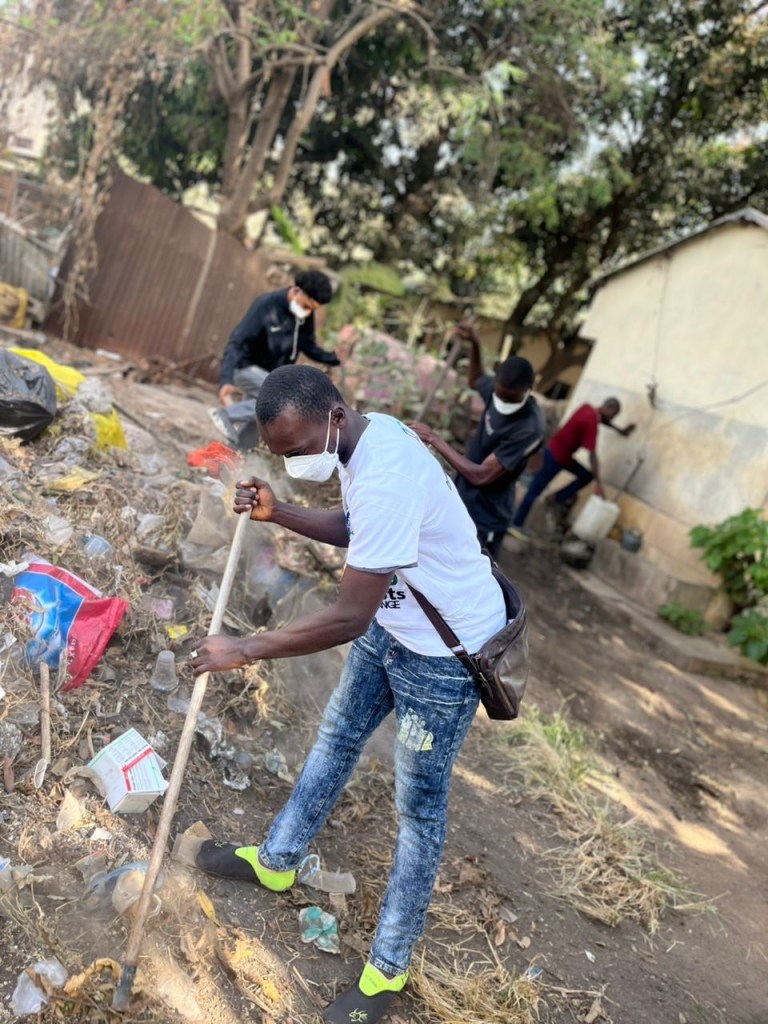
The Patriots carried out a cleaning exercise at Serekunda Hospital as part of their ongoing environmental initiatives.
Littering in public spaces has become a growing concern in The Gambia, with piles of waste clogging streets, gutters, and open areas. This unsightly and unsanitary situation has left citizens questioning the effectiveness of laws meant to combat such practices.
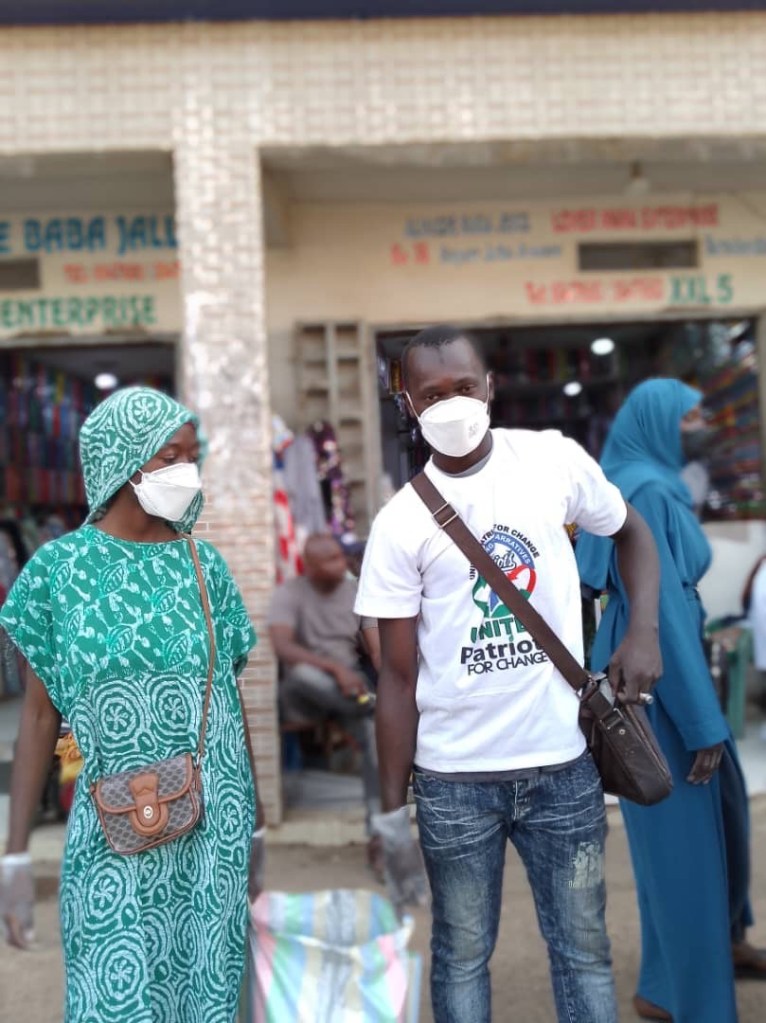
Ebrima Jabang, a teacher and law student who leads a student-driven environmental activist group, United Patriots for Change, described the situation as “both unsightly and unsanitary,” highlighting its far-reaching implications for public health and the environment.
The Anti-Littering Act 2007, designed to curb indiscriminate dumping, contains strict provisions to deter public littering. Under Section 4(1), littering in streets, pavements, gutters, or driveways is classified as a serious offense. Additionally, Subsection 3 mandates fines of up to D5,000 for offenders upon conviction.
The Patriots carried out a cleaning exercise at Serekunda Hospital as part of their ongoing environmental initiatives.
However, despite the existence of this robust legal framework, enforcement has remained alarmingly weak. President Adama Barrow, during a recent nationwide tour, expressed dismay at the deteriorating state of public spaces and the growing littering crisis. While he pledged to direct authorities to enforce the law, many are questioning why the government has failed to address the issue effectively despite the legal tools available.
The United Patriots for Change (UPC) has urge the President to take immediate and decisive action. “It is incomprehensible that people are allowed to turn our country into a ‘mbalit nation’ when we already have laws with strong provisions to address this issue,” the group stated. Mr. Jabang called on the President to work closely with the Ministry of Environment to ensure strict enforcement of the Anti-Littering Act, stressing the need for accountability and a cultural shift in attitudes toward waste management.
The Patriots take on the task of cleaning Serekunda’s bustling market streets.
Environmental activists have also sounded the alarm about the potential long-term effects of unchecked littering on public health, tourism, and the overall aesthetic of urban areas. “The lack of enforcement sends a message that littering is acceptable. This needs to change, and it starts with upholding the law,” Mr. Jabang asserted.
The Patriots stressed the need for a multi-pronged approach, including increased civic education, stricter enforcement mechanisms, and greater community engagement to tackle the littering crisis. They argue that successful implementation of the Anti-Littering Act would not only clean up public spaces but also instill a culture of environmental responsibility among citizens.
As the nation awaits concrete action from the government, the fight against littering stands as a test of leadership and collective responsibility.
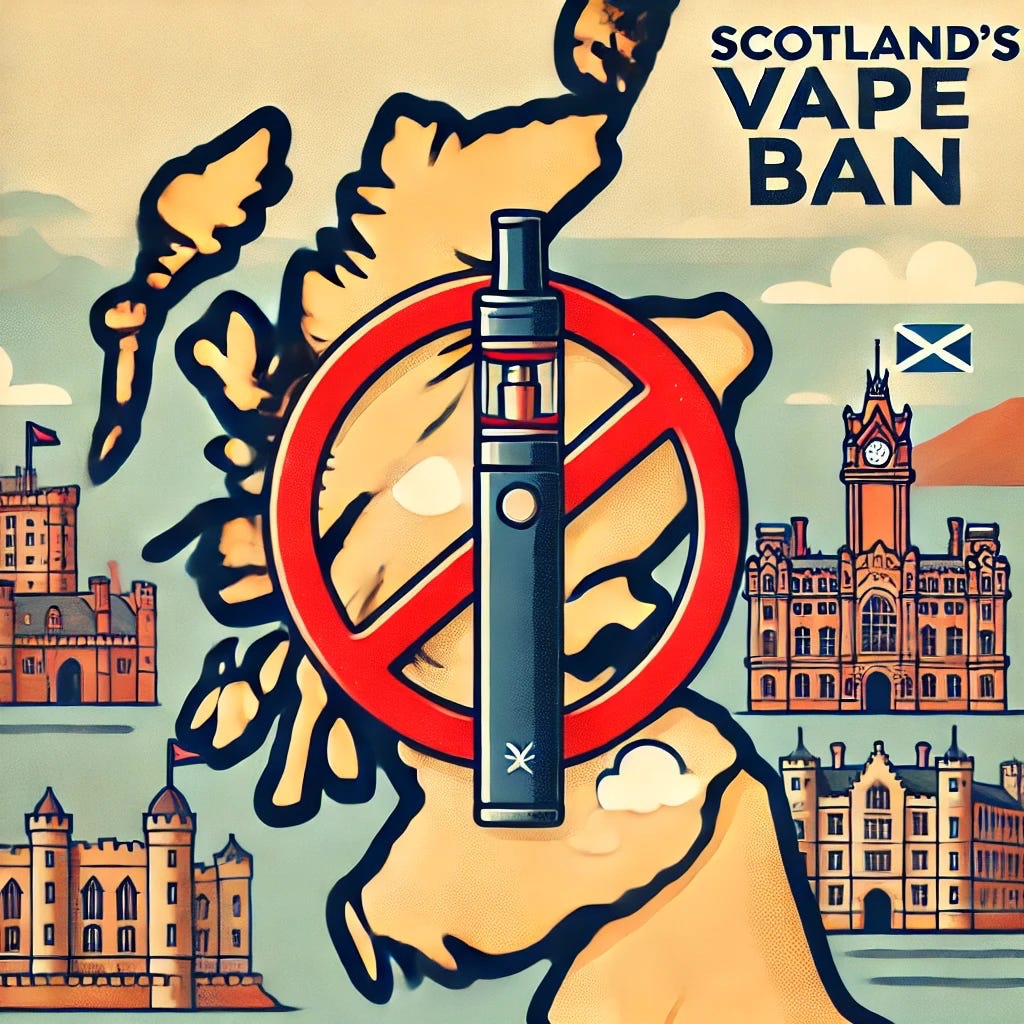
Scotland’s Vape Ban Delay: A Perfectly Timed Public Health Triumph.
Scotland, in a bold and daring move, has decided to push back its ban on single-use vapes by a whopping two months. Yes, in the grand scheme of life, two months might seem like a trivial delay. But in the world of vape clouds and nicotine hits, it’s an eternity. Scotland’s government says the postponement will “align with similar legislation across the UK.” Translation: they’ll stall the ban just long enough for everyone to finish their current stockpile of neon plastic nicotine sticks.
But why the delay? What kind of public healthheroics are at play here? Let’s dive into the haze (pun very much intended) and examine the health and regulatory excitement swirling around this sudden twist in vape regulation. Spoiler alert: there’s a lot more to this than meets the eye.
The “Brilliant” Timing of Scotland’s Vape Ban Delay. In a surprising show of coordination, Scotland has chosen to hold off on its vape ban until the rest of the UK can get their act together. We’re all about teamwork now. Because, as everyone knows, synchronizing legislation is a surefire way to show how committed we are to public health.
Instead of protecting the youth of Scotland from single-use vapes right away, we’ll take a moment to sit back, relax, and, quite literally, let the smoke settle. It’s almost poetic when you think about it: two more months of puffing, tossing, and decorating the streets with little bits of plastic and e-liquid residue. Who knew public health policy could look this… decorative?
Why Single-Use Vapes are So Worth Keeping Around. Just in case anyone has forgotten why single-use vapes are in the spotlight, let’s revisit the wonder that is disposable e-cigarettes. They’re small, colourful, easy to use, and come in flavours so appealing that even your sweet-toothed grandma might be tempted to give them a try. With names like “Blue Raspberry” and “Mango Ice,” these gadgets sound more like dessert items than a delivery system for addictive chemicals. And that’s the point: they’re designed to be irresistible.
Despite the noble efforts to make vaping less accessible, single-use vapes have somehow managed to slip through regulatory cracks, infiltrating high schools and communities across the UK. These tiny clouds of strawberry-flavored vapor are affordable, portable, and tossable, which is great for the vape companies but less so for our health services, who’ll be dealing with the long-term consequences of adolescent vaping.
The Impact of Vaping on Public Health (Or Lack Thereof). Oh, the irony of vaping being touted as a “healthier alternative” to smoking. Sure, it’s not combustible tobacco, but it’s hardly kale juice. The latest studies reveal that vapes are not as harmless as advertised. While big vaping companies initially marketed them as a path away from smoking, we’ve ended up with a new generation of nicotine addicts, a spike in vape-related illnesses, and a lovely new genre of single-use plastic litter.
Single-use vapes are particularly tricky. They are disposable (i.e., forget about any responsible “reuse” narrative), often non-recyclable, and leave a hefty carbon footprint. Meanwhile, health professionals are worried about the potential long-term damage these devices may cause, especially when their user base includes teenagers and young adults. But hey, what’s public health compared to keeping up with England’s vaping schedule?
Why Wait Two Months? The Real Motive Behind the Delay. Ah, the two-month mystery. Is it a logistical issue? A supply chain delay? Perhaps a generous “grace period” for vapers to switch to slightly more eco-friendly habits? Scotland’s government might argue this is a “synchronization measure,” but in truth, this delay is an invitation for every vaping enthusiast to double down on their habit before the curtain falls.
Let’s call it what it is: a nicotine-driven, profit-fueled, last-chance rodeo for single-use vapes. Those two months provide ample time for a final hurrah, as vaping companies conveniently “align”their marketing, retailers empty their stockrooms, and teenagers across the UK continue to “quit smoking” one fruity inhale at a time.
The Environmental Toll of Single-Use Vapes (Because It’s Not Just About Nicotine). If you thought Scotland’s vape ban delay was only a health issue, think again. This decision keeps Scotland’s pavements, parks, and beaches dotted with fluorescent vape pens for a little while longer. As if cigarette butts and plastic bags weren’t bad enough, single-use vapes are now scattered across our landscapes, further complicating waste management and recycling efforts.
Each vape pen is packed with lithium, toxic chemicals, and, of course, enough plastic to choke a landfill. If vapes were pets, they’d be the kind of animal that eats the furniture, sheds constantly, and never, ever cleans up after itself. Not the best guest at the environmental dinner party, if you ask me.
The delay means more litter, more toxic waste, and more pressure on recycling facilities that can’t always handle the hazardous materials in vapes. We’re not just talking about littering here; we’re talking about years of environmental impact, all because we’ve decided to give vapers a little extra time to say goodbye.
The Curious Case of Public Opinion. Public health experts have long warned about the dangers of vaping, yet somehow, disposable vapes have retained their “cool” factor. Why? Because nothing says “good decisions” like making your nicotine habit fruity and flashy. Vaping is seen by some as the “lesser evil” of nicotine delivery, especially when compared to traditional cigarettes, but it’s still an addiction—and an incredibly profitable one at that.
The vape ban delay has sparked some serious debate, with critics accusing the government of pandering to corporate interests rather than prioritizing public health. Others argue that regulation should be handled at the UK level, not by individual countries, to avoid confusion. Because, clearly, nothing confuses the public more than not being allowed to buy neon-colored puff sticks on one side of the border but not the other.
Looking Ahead—What Happens After the Delay? So what happens when this “delay” ends? Will Scotland’s streets suddenly be vape-free havens? Doubtful. The likely scenario is a flood of last-minute vape purchases followed by a rise in illicit vape trade. After all, if there’s one thing people love, it’s something they can’t have.
And while a single-use vape ban might finally push users toward refillable, reusable devices, it won’t entirely eliminate the problem. The black market will undoubtedly welcome a ban, offering vapers their forbidden fruit with the thrill of illegality thrown in for free. And let’s be honest—if it’s not available at your local shop, someone on the internet will happily deliver it straight to your door.
Scotland’s Vape Ban Delay Is a “Step Forward” So, there you have it: Scotland’s big, bold move to delay the single-use vape ban. A strategic choice that balances the health of our youth, the environment, and the UK vape economy in one fell swoop. Because who needs quick action when we can all “align” together, right?
Here’s hoping that after this pause, the UK as a whole realizes that protecting our health and our planet might just be worth more than a few extra vape sales. Until then, enjoy the next two months, Scotland. Puff away, and let’s see what fresh air feels like after the ban.
The HERALD WHISTLEBLOWER is a reader-supported publication. To receive new posts and support my work, consider becoming a free or paid subscriber.
Premier League Governance Issues: Is the World’s Favorite League a Puppet Show?
The Premier League’s Ownership Soap Opera. Premier League—a dazzling parade of world-class footballers, multi-million-dollar transfers, and, apparently, questionable governance practices. Just when you thought the action was confined to the pitch, along come revelations that add a new twist to the off-field drama. Yes, we’re talking about the recent leaked messages suggesting that Saudi Crown Prince Mohammed bin Salman may have exerted his influence over the ownership of Newcastle United. But don’t worry, I’m sure that won’t raise any red flags about how the Premier League is being run. Nothing to see here, folks.
Let’s take a closer look at the governance issues plaguing the world’s favorite football league, because what’s more entertaining than a little power struggle and behind-the-scenes maneuvering?
The Newcastle United Takeover: An Acquisition or a Game of Thrones? To set the scene: Newcastle United, the Premier League’s sleeping giant, was acquired by a Saudi-led consortium in 2021, instantly transforming it from a club of mid-table obscurity to one with grand ambitions. It all seemed pretty straightforward—well, until those pesky leaked messages surfaced. Apparently, they suggested that Crown Prince Mohammed bin Salman had a bit more than just a passing interest in seeing the deal go through.
This revelation comes as a shock, mostly because we had all convinced ourselves that an oil-rich nation wouldn’t possibly want any influence over a prestigious football club. The Premier League’sowners’ and directors’ test was supposed to prevent just this kind of situation. But if a few billion dollars can’t smooth over some paperwork, what’s the point of having rules at all?
Governance? What Governance? The Premier League’s governance is supposed to be a shining example of transparency and fairness. At least, that’s what the rulebook says. In reality, it looks more like a loosely regulated monopoly where the wealthiest owners can bend the rules, just a little, as long as the TV revenue keeps flowing in.
In theory, the owners’ and directors’ test is designed to ensure that only “fit and proper”individuals take charge of football clubs. But in practice? Well, let’s just say the process seems about as rigorous as a pub quiz. Are you breathing? Can you sign the cheque? Congratulations, you own a Premier League club!
Crown Prince Involvement: Just a Friendly Suggestion? The involvement of Mohammed bin Salman has added a new chapter to the saga, making many wonder if the Premier League’sleadership is more laissez-faire than fair. Leaked messages reportedly suggest that the Crown Prince encouraged the UK government to push the deal forward, even hinting at possible “consequences” for Anglo-Saudi relations if it fell through. But hey, who hasn’t casually hinted at geopolitical consequences to get what they want?
For those still clinging to the romantic notion that football is about, you know, the game, this might be a little tough to swallow. But let’s be realistic: the Premier League is big business. When you’re dealing with billion-dollar clubs, TV rights deals that span the globe, and players who cost more than small islands, you can’t expect a few ethics to get in the way of progress, right?
The Premier League’s Response: Turning a Blind Eye, Again. The Premier League’sresponse to these revelations has been… well, muted, to put it mildly. It seems they’re taking the classic approach of hoping the problem will just go away if they ignore it long enough. Sure, it’s not a great look when a foreign head of state is allegedly influencing club ownership, but why bother with messy investigations when you can just focus on counting the money?
This kind of laissez-faire approach to governance isn’t exactly new. It’s more of a time-honored tradition in football. It’s the same reason why clubs with questionable human rights records can buy up clubs and rebrand themselves as agents of change. All it takes is a little PR, a new set of jerseys, and maybe a documentary about the “transformation.”
What’s at Stake? The Integrity of English Football (Spoiler: It’s Long Gone). For fans and critics alike, these governance issues strike at the heart of what’s left of the Premier League’sintegrity. The league likes to portray itself as a meritocratic bastion, where talent rises to the top and fair play is king. But when some of the wealthiest and most influential figures in the world are pulling strings behind the scenes, it’s hard to keep up the illusion.
Fans’ Concerns: From Disillusionment to Shrugs of Acceptance. Unsurprisingly, many fans are growing tired of the Premier League’sdouble standards. On one hand, there are rules about Financial Fair Play and ownership tests. On the other, there’s an apparent willingness to look the other way when a cash-flush owner comes knocking. For fans of Newcastle United, the takeover has been a mixed bag—elation at seeing their club finally have the means to compete, tempered by the nagging suspicion that they’ve become pawns in a much bigger game.
The real tragedy here? Most of us are so used to these governance shenanigans that we barely bat an eye anymore. It’s like the bad plot twist in a TV show that you knew was coming. You don’t like it, but you’re still going to tune in next week.
The Need for Reform: Will the Premier League Ever Learn? With the spotlight back on governance, the Premier League faces a choice: tighten up the rules and make ownership transparent, or continue to play the role of the world’s most expensive open-air market. Given their track record, I’d bet my money (if I had Premier League money) on the latter.
What Could Reform Actually Look Like? In a dream world, reform would mean more stringent checks on potential owners and a genuine commitment to transparency. Maybe even an independent regulator—though given the Premier League’s resistance to any outside oversight, that seems about as likely as an amateur side winning the title.
What’s more likely is that the league will adopt a few cosmetic changes, announce a new “task force” or “working group,” and hope that the next scandal is just juicy enough to distract everyone from this one.
The Premier League’s Perpetual Balancing Act. At the end of the day, the Premier Leagueis still the most-watched, most lucrative football league in the world, and no amount of governance drama seems likely to change that. For every fan who’s disillusioned, there are a thousand more who’ll keep paying for tickets, streaming services, and overpriced jerseys. And the league knows it.
So, will the Premier League ever truly address its governance issues? Probably not. But as long as the goals keep coming and the money keeps flowing, does anyone really care?
— The Informer contributed to this critique report.