Biden withdraws reelection bid and endorses Kamala.
President Biden Withdraws from Re-Election Bid Following Poor Debate Performance Against Trump
By Abdallah Khabib Jallow
In a startling twist, President Joe Biden has announced his decision to withdraw from the re-election race as the Democratic candidate in the upcoming U.S. elections. This move follows a heavily criticized debate performance against former President Donald Trump and marks a significant moment in American political history, showcasing the adaptability and resilience of both American democracy and the Democratic Party.
During the recent debate, Biden faced intense scrutiny and criticism for his handling of pivotal issues, causing concern among party members and voters. Despite his numerous accomplishments, including significant infrastructure and social welfare reforms, the debate highlighted potential vulnerabilities that could be exploited in the upcoming election.
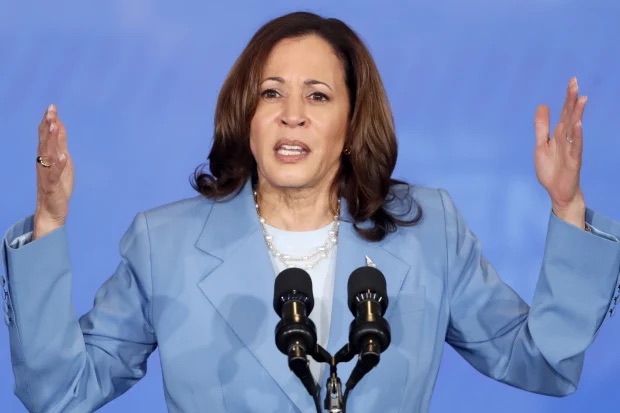
US vice president and potential democratic presidential nominee, Kamala Harris
In his announcement, President Biden stressed the importance of party unity and strong leadership. “While I have always fought for the values and principles of our great nation, I believe it is in the best interest of the Democratic Party and the country that I step aside and allow new leadership to emerge,” Biden stated. “Our democracy is robust and adaptable, and this decision reflects my confidence in our system and in the future leaders of our party.”
Reactions within the Democratic Party have been mixed, with expressions of both regret and hope. Senate Majority Leader Chuck Schumer praised Biden for his selfless decision. “President Biden has always put the country first. His decision to step down shows his commitment to ensuring that we have the best chance to continue our work for the American people,” Schumer remarked.
Former President Barack Obama also weighed in, commending Biden’s contributions and decision. “Joe Biden has been a dedicated public servant for decades. His leadership has been instrumental in guiding us through challenging times. His decision to step aside is a testament to his character and his unwavering dedication to our democracy.”
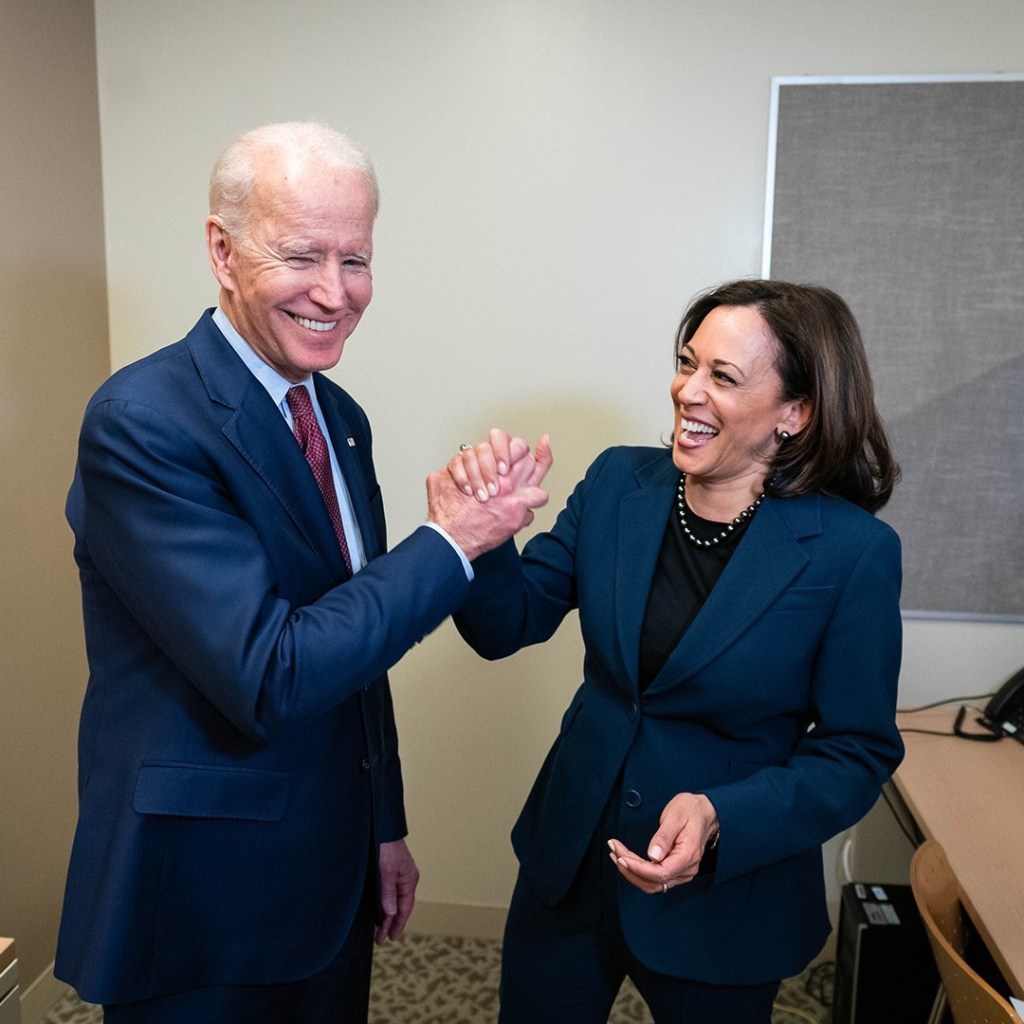
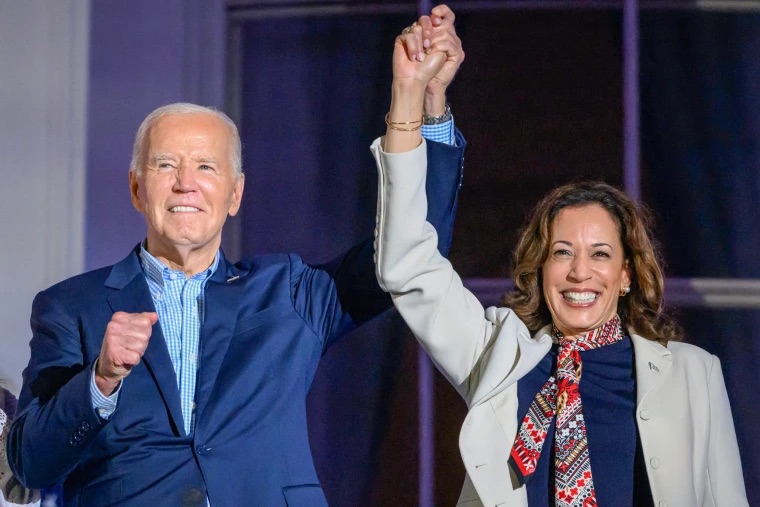
Kamala has been Biden’s vice president in his only term as president.
Biden’s withdrawal opens the field for potential Democratic candidates. Speculation is already rife about who might step up to fill the void, with names like Vice President Kamala Harris, Senators Bernie Sanders and Elizabeth Warren, and Transportation Secretary Pete Buttigieg among the likely contenders.
This development underscores the dynamic nature of American democracy, where even the highest officeholders make decisions in the best interest of their party and the nation. It highlights the importance of internal party dynamics and the need to maintain a competitive edge against formidable opposition.
As the Democratic Party gears up for the primary season, the focus will shift to finding a candidate who can unite the party and present a compelling vision for the future. The coming months will be critical in determining the party’s direction and strategy for the general election.
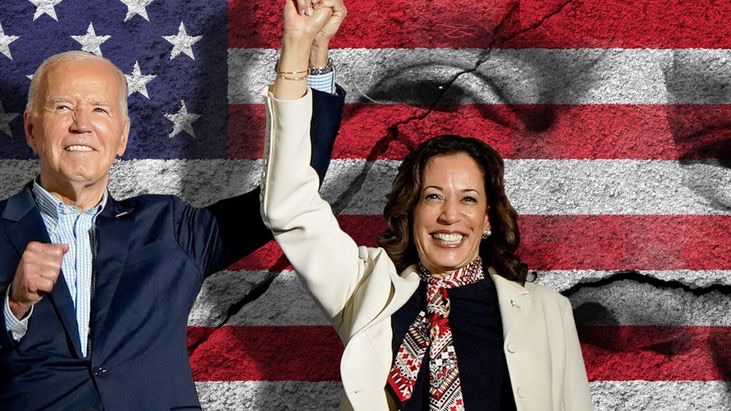
Kamala leads the odds to be the next democratic president nominee after Biden’s withdrawal.
President Biden’s withdrawal from the re-election race is a landmark moment in U.S. politics, reflecting the strength of American democracy and the Democratic Party’s capacity to adapt and respond to challenges. His leadership and decision to prioritize the country’s best interests will be remembered as the nation looks forward to the next election.
BUT… !
Will Biden’s Withdrawal Reshape the Democrats’ Election Bid?
ASUNCIÓN, Paraguay — The midfielder stepped up to take the penalty kick. It was a steamy, bright morning at Erico Galeano Stadium. In the stands, fans wearing yellow and blue stood up, squinting into the sun, focusing on the man with the number 10 on his back. On the sidelines, coaches crossed themselves as he ran toward the ball.
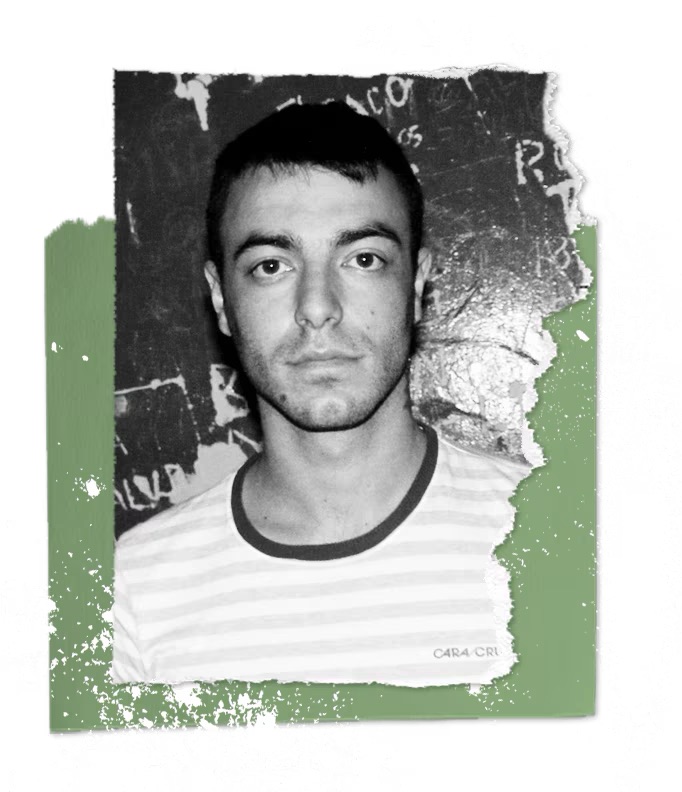
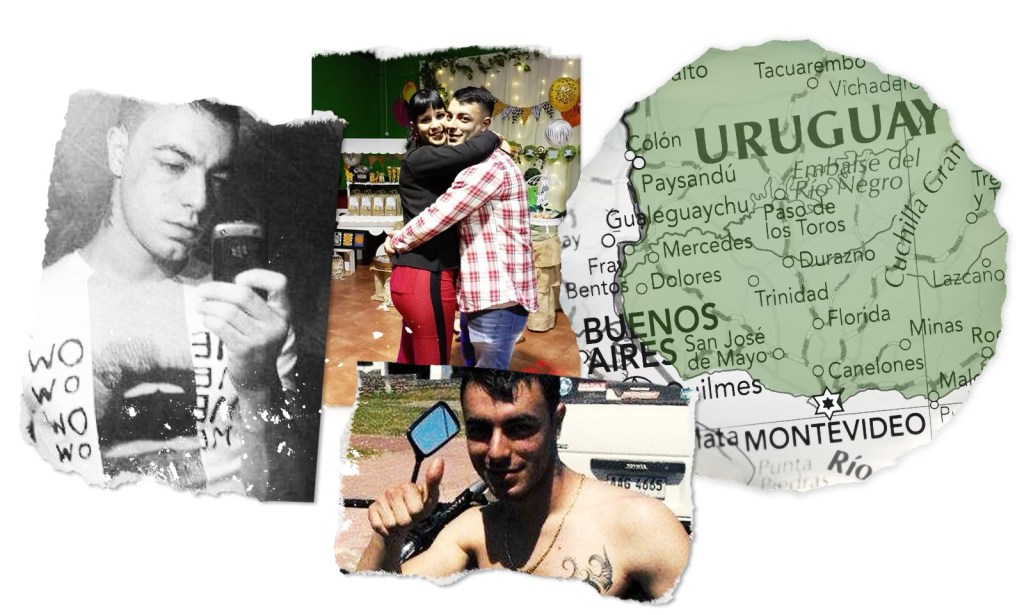
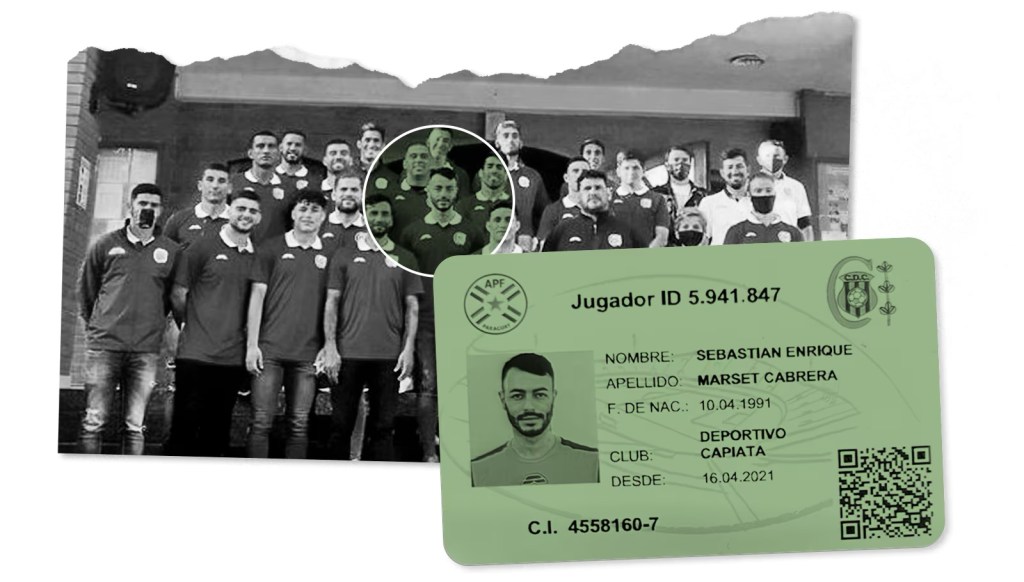
His name was Sebastián Marset. He had arrived at Deportivo Capiatá — a hardscrabble professional soccer team — out of nowhere. He drove a Lamborghini that he would careen across the gravel parking lot. He was square-jawed and handsome, covered in gold jewelry, Rolexes and ornate tattoos that ran down his right arm.
Marset was a mediocre player, with the skills of someone whose career peaked in high school. But when Capiatá’s coach, Jorge Nuñez, kept him on the bench, the players encircled Nuñez and told him that Marset needed to play.
“I kept wondering, ‘Who is this guy?’” Nuñez said in an interview. And now here was Marset taking a critical spot kick. The score was 1-1. It was May 29, 2021, halfway through a tough season. A win could be the beginning of a turnaround.
Silence fell on the stadium, quickly followed by groans, coaches and staff recalled in interviews. The ball blazed five feet over the goal’s crossbar. Even the team’s security guard couldn’t hide his frustration, kicking the dirt, wondering aloud why Capiatá’s fate had been put in Marset’s hands.
Over the next two years, the reasons would become clear. Sebastián Marset, it turned out, was among the most important drug traffickers in South America, and one of the key figures behind a surge of cocaine arriving in Western Europe, according to Latin American, U.S. and European investigators.
Instead of hiding from authorities, he had used his fortune to purchase and sponsor soccer teams across Latin America and in Europe. U.S. and South American investigators would learn that he was using those teams to help launder millions in drug proceeds.
Along the way, Marset, now 33, deployed his power and wealth to fulfill a boyhood dream: He inserted himself into the starting lineups
Sebastián Marset played on several professional soccer teams over a period of years. (Paraguay national police, iStock)
This story about Marset’s narco empire and his quixotic search for soccer glory is based on thousands of pages of internal documents provided by Paraguayan, Uruguayan and Bolivian police, wiretap transcripts obtained by The Washington Post, hundreds of Marset’s text messages as well as interviews with officials on three continents. Many of the officials — along with Marset’s associates, teammates, coaches, friends and former neighbors in Uruguay, Paraguay and Bolivia — spoke on the condition of anonymity, citing security concerns.
Marset’s odyssey reads like a transnational caper, bordering on the absurd. But it is a startling window into the level of impunity at the nexus of Latin American public life and the lower rungs of professional soccer, enabling drug traffickers to wield enormous influence in both worlds. Years after a global manhunt for him began, Marset remains at large.
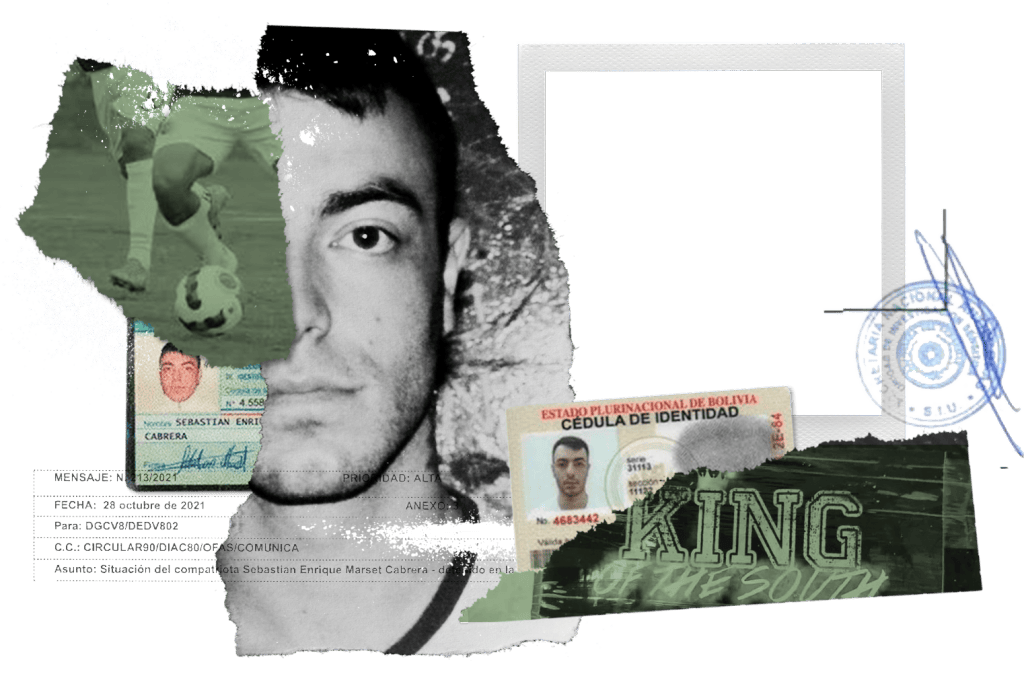
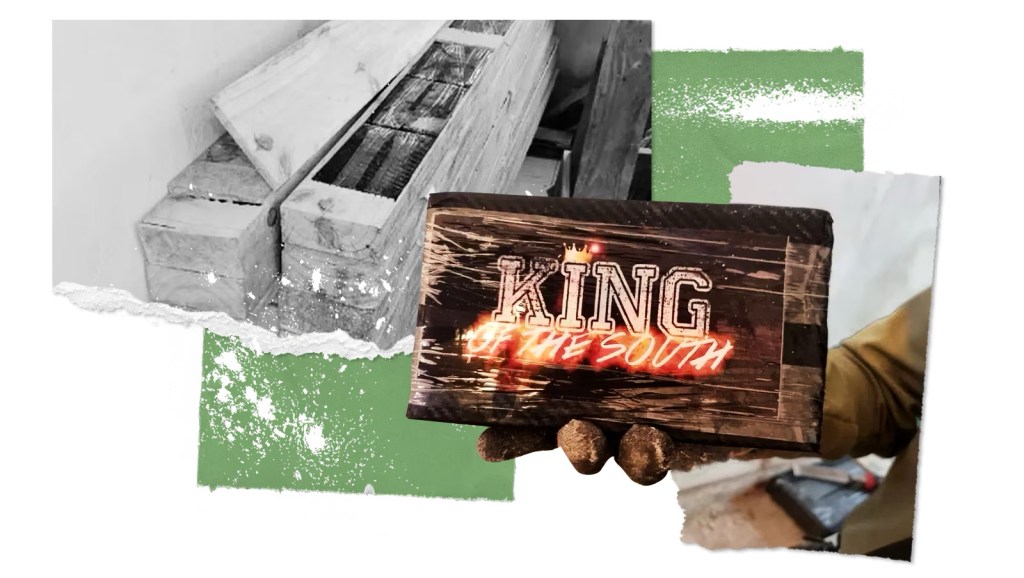
His ascent was lightning fast — by age 28, according to a Paraguayan criminal indictment, Marset was moving cocaine and suitcases of cash across South America in a fleet of private jets. By 31, he had made more than $1 billion, authorities estimate. He placed stamps on his drug shipments that read “The King of the South,” the moniker he was trying to cultivate. He issued orders to deputies operating in four countries: where to put the cash, whom to pay off, how to hide the cocaine under packages of cookies or soybeans. He killed his enemies with no remorse, soliciting advice on how to disappear their bodies, according to his text messages, which were obtained and aggregated by the Paraguayan attorney general’s office
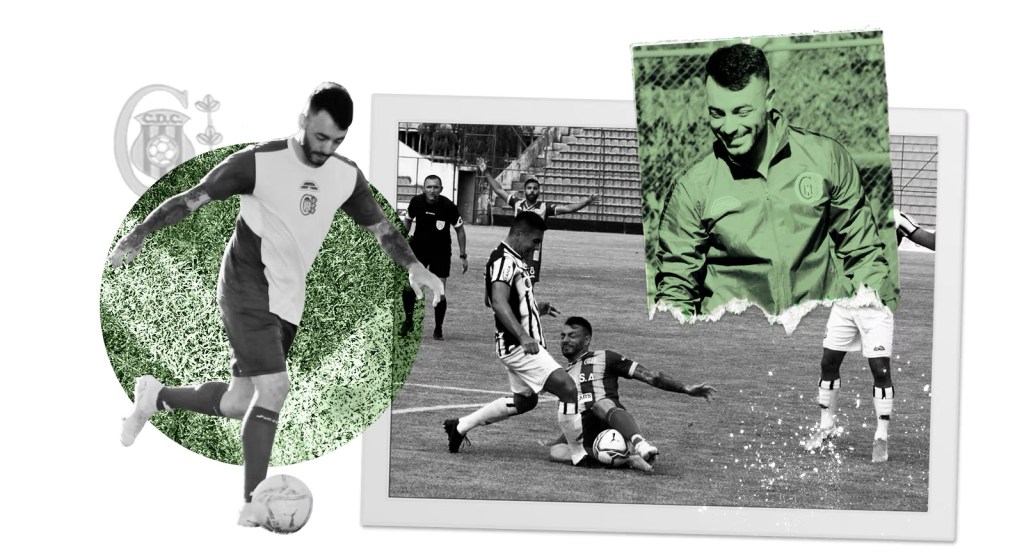
Marset took breaks to play professional soccer — first at Capiatá — where he adopted the same assertive tone as when he coordinated drug shipments, imagining himself the midfield conductor, even as he struggled to keep up with his teammates. He paid $10,000 in cash to wear the No. 10 jersey, worn by Pelé, Maradona and Messi. When he shoved opposing players to the ground, referees failed to blow their whistles. Marset flashed a thousand-watt smile.
His rise coincided with the explosion in cocaine trafficking from South America to Europe. It was Marset who would help perfect that route, dispatching tons of drugs from Uruguayan ports to Belgium, the Netherlands and Germany, investigators say, forging ties with existing cartels around the world.
Building that empire and laundering its proceeds would bring Marset into contact with some of the continent’s most powerful politicians. Those ties were explicit: He borrowed a Paraguayan senator’s plane, he was caught trafficking drugs with the uncle of a Paraguayan president, and one of his lawyers secured meetings with top Uruguayan officials to secure his release from prison. Some of his most valuable connections, though, were in professional soccer.
(Interior Ministry of Uruguay; iStock)
The link between drug trafficking and soccer is almost as old as the U.S. drug war. Money spent on the sport is untraceable in much of Latin America. Player contracts, transfer fees, ticket proceeds, merchandise sales — almost all of it can be fudged, according to experts on money laundering, so that cocaine money used to fund a team is magically turned into soccer — and therefore clean — profits.
“The legitimization of illicit funds was done through sports,” the Paraguayan prosecutor’s office wrote in a 500-page internal investigation into Marset obtained by The Post.
It was more than that. Soccer in Latin America is the bedrock of power and politics. For a drug kingpin, running a soccer team, even in a lower league, translates criminal power into public power.
In the 1980s, Pablo Escobar, the Colombian drug kingpin, bankrolled his hometown soccer club, Atlético Nacional, turning it into one of Latin America’s best teams. When he was detained in 1991, he flew in famous players to play on the prison soccer field. In the early 2000s, Tirso Martínez, an associate of Mexican drug trafficker Joaquín “El Chapo” Guzmán, spent the millions he earned moving drugs to purchase several Mexican soccer teams. Martínez’s nickname was revealed after he was arrested and extradited to the United States in 2015: “El Futbolista.”
But Marset is the first major drug trafficker to use his status and wealth not only to bankroll professional soccer teams but to play on them. Some of his games were held just miles from where he had deposited the bodies of his cartel rivals, based on the descriptions in his text messages. Depending on whom you believe, his athletic career was either a sophisticated strategy to conceal his identity, or an attempt to fulfill an unrealized dream.
Asked which it was, Marset’s lawyer, Santiago Moratorio, laughed in his office in Montevideo, Uruguay’s capital.
“He always wanted to be a soccer player,” he said.
As U.S. and South American authorities chased Marset across the continent, to the Middle East and to Europe, he was always one step ahead, vanishing only to reappear on another professional soccer field, often using a new false identity. He was able to bribe his way out of a Dubai prison as U.S. officials — who came to see Marset as a threat to public institutions across Latin America — watched in frustration. He left a trail of high-profile murders in his wake, authorities allege, including Paraguay’s anti-corruption prosecutor, gunned down on his honeymoon at a Colombian beach resort.
As he ran from authorities, Marset left voice notes and video messages, often mocking the officials who trailed him.
“I’m too smart for you,” he said in one video message last August. The camera was tightly framed around his face. He wore a gold chain and a neat beard.
“If you want, keep hunting me, but I’m telling you that I’m far away.”
Authorities knew they were unlikely to catch Marset in the middle of a cocaine bust. So they adapted their investigation to its target: They began scouring professional soccer stadiums.
(Uruguayan senate investigation, Paraguay national police; iStock)
Marset was born in Piedras Blancas, a neighborhood of small split-level homes on the outskirts of Montevideo. Uruguay had long considered itself the “Switzerland of South America,” with among the lowest crime rates on the continent. But in Piedras Blancas, as Marset entered his teenage years, young men suddenly appeared selling and trafficking drugs. Homicides ticked up.
He was a top student at school, a skinny, whip-smart kid who liked to stand in front of the room and lecture his classmates as if he were the teacher. As he got older, though, he became single-minded about his goal: He wanted to be a professional soccer player. He and his friends played in the street, constructing makeshift goals out of stones. They used markers to sketch numbers on the back of their T-shirts because they couldn’t afford uniforms.
Marset’s dream of soccer stardom was, at least in part, about money. He worked at a gas station and blew his salary on a David Beckham Adidas track jacket. He went to nightclubs frequented by girls from wealthier neighborhoods. Friends said they sometimes spotted him walking home alone because he couldn’t afford bus fare from downtown Montevideo.
After high school, he started playing semiprofessional soccer in Montevideo’s intermediate division. It became clear quickly that Marset would not go further. He wasn’t fast enough. His touch was mediocre, his passes wayward.
Marset’s first interactions with Montevideo’s criminal underworld were minor. In 2009, at 18, he was arrested for possession of stolen goods and, a year later, at 19, for possession of narcotics, according to Uruguayan court records. But he made it clear that he was willing to take on more risk. When he was 22, Marset accepted a job receiving a shipment of marijuana scheduled to arrive in rural Uruguay on a small plane from Paraguay, according to Uruguayan police. It was normally an assignment for a team of men, but the traffickers by then trusted him to receive the shipment alone.
He waited on a farm not far from Uruguay’s northern border with Brazil, standing next to his black Chevrolet Cruz. What he didn’t know was that police had been tipped off. They arrived in the clearing where Marset was waiting. He immediately gave himself up to the two officers from the Brigada Antidrogas, the country’s elite anti-narcotics police.
Marset explained that he was a professional soccer player. He was shrewd and respectful, one of the agents recalled. Soon the officers would learn that the shipment of drugs wasn’t an amateur affair; the pilot was the uncle of Paraguay’s president at the time, Horacio Cartes.
The agents handcuffed Marset and took an improvised mug shot in their field office. One of the agents looked at the other when Marset was out of earshot.
“This guy is going to be a big problem for us someday,” he recalled saying.
Marset was sentenced to five years in prison for drug trafficking. He was sent to Libertad, one of the country’s largest prisons, and placed in a section devoted to drug trafficking and organized crime.
It was there that he expanded his criminal contacts, investigators said. He got a job as a prison cleaner, which meant he could visit almost every cell in the block, chatting with inmates as he mopped. He met prominent international drug traffickers, including members of the Italian mafia and Brazilians from the increasingly influential First Capital Command gang. The men played soccer in the afternoons — fierce matches in the prison yard.
“He was lost for soccer,” said one prison guard.
Drug trafficking in South America was on the verge of a major shift. For years, the cocaine produced in Colombia, Bolivia and Peru was bound almost exclusively for the United States. Then, by the late 2000s, American pressure on drugs being smuggled to the United States forced traffickers to search for new markets and new routes.
Large drug shipments had rarely moved south, into Paraguay and Uruguay. But Montevideo, Marset’s hometown, had a port that dispatched massive quantities of commercial goods to Europe daily. For the traffickers, it was a nearly untapped source of revenue. And Marset realized that he was sitting right on top of it.
Bolivia national police; Paraguay Office of the Attorney General)
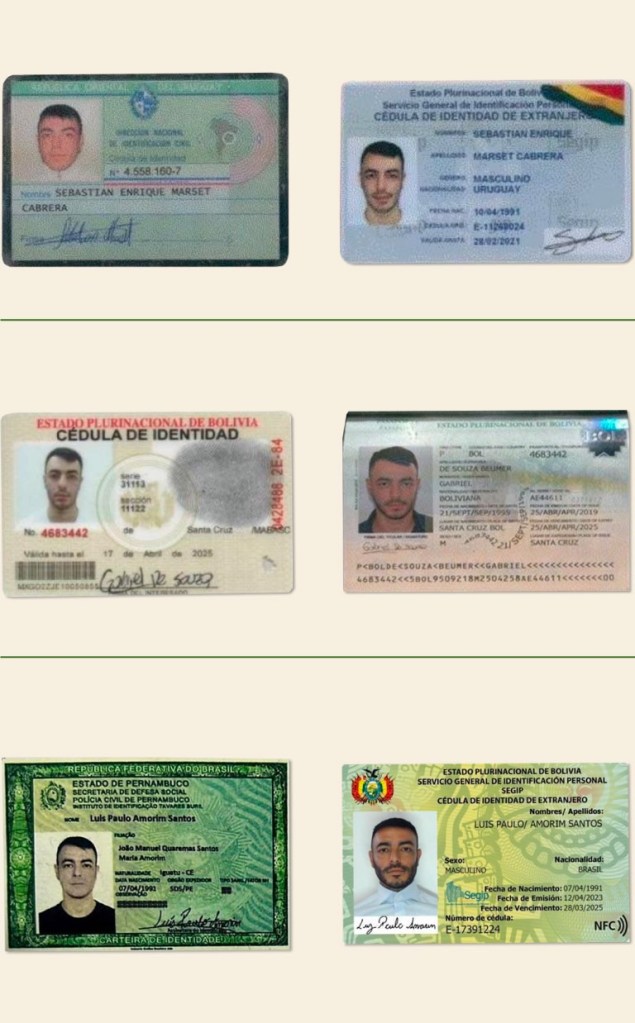
He was released from prison in 2018, at age 27. Within a few months, he was on his way to Paraguay to build the trafficking network he had begun to imagine in prison, investigators said. His connections to Brazilian and Italian organized crime appear to have laid the groundwork for his ascent. Marset began traveling under a false Bolivian passport, using the name Gabriel De Souza Beumer. It would be his first of multiple identities.
While most fugitive drug traffickers are circumspect when talking about their empires, Marset and his associates speak proudly of his ascent. Even his lawyer, Moratorio, wanted to emphasize his client’s skill set.
“Everyone leaves prison with contacts,” Moratorio said. “But it was also his own ability, and what he did when he got out, that got him to where he is now.”
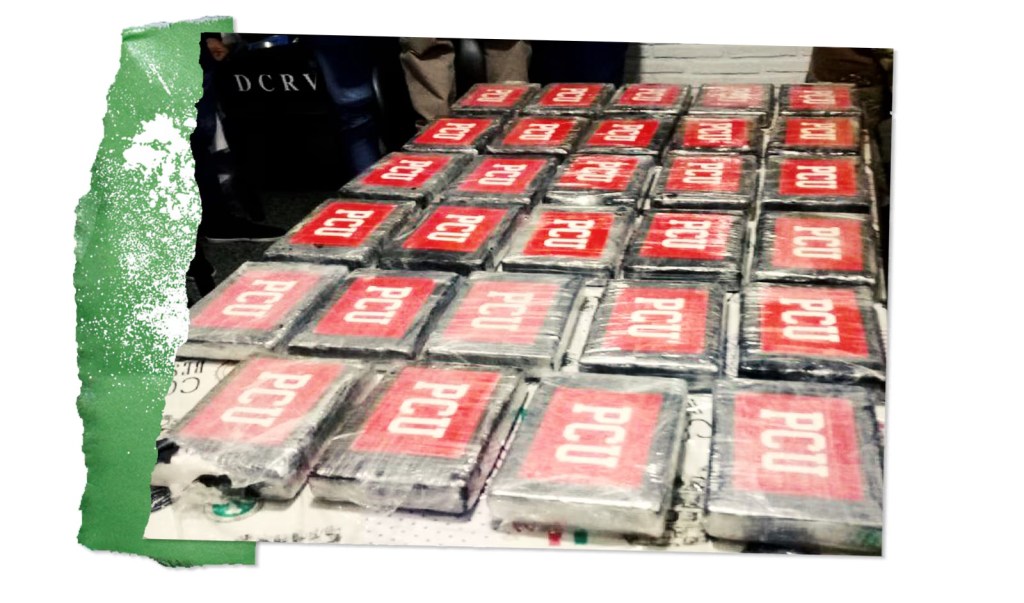
By 2020, Paraguayan and U.S. authorities had noticed the increase in cocaine arriving in Paraguay from Bolivia, bound for Europe via Uruguay’s ports. Some of the shipments were stamped with an abbreviation officials had never seen before: PCU, which stood for Primer Cartel Uruguayo.
It was an obvious target for U.S. and Paraguayan investigators: Who was behind the new cocaine boom?
Paraguayan officials secured wiretaps on phones linked to the criminal network. They recruited spies among the drug traffickers. The U.S. Drug Enforcement Administration dispatched planes to photograph the clandestine airfields that were popping up across Paraguay.
(Uruguayan Ministry of the Interior; iStock)
Within months, officials from both countries began hearing about a man at the center of the organization.
“A young Uruguayan man with his right arm tattooed” was the working description of the target as the investigation began, said one U.S. official.
“He was young but clearly powerful,” said a former senior Paraguayan official.
On wiretapped phone lines, his associates and employees referred to him only as “El Jefe Mayor”: “The Big Boss.” When he traveled, he sometimes disguised himself as a priest so authorities would be less likely to question him. He named his drug shipments using code words from the soccer world: “Maradona,” after the legendary Argentine player, and “Manchester,” after the English city with two famous Premier League teams.
When he felt threatened, he responded violently. He described the men he killed in flippant text messages illustrated with gory photos. The messages were later obtained by investigators.
“I shot him twice,” he wrote in a text. “It seems to me he dropped dead.”
“Do we have a place to disappear a body?” he asked a few weeks later. “Is it best to put it in acid?”
Of another victim’s body, he wrote: “That one was dumped in a field. It will be on the news in the next few days.
(Bolivian Police)
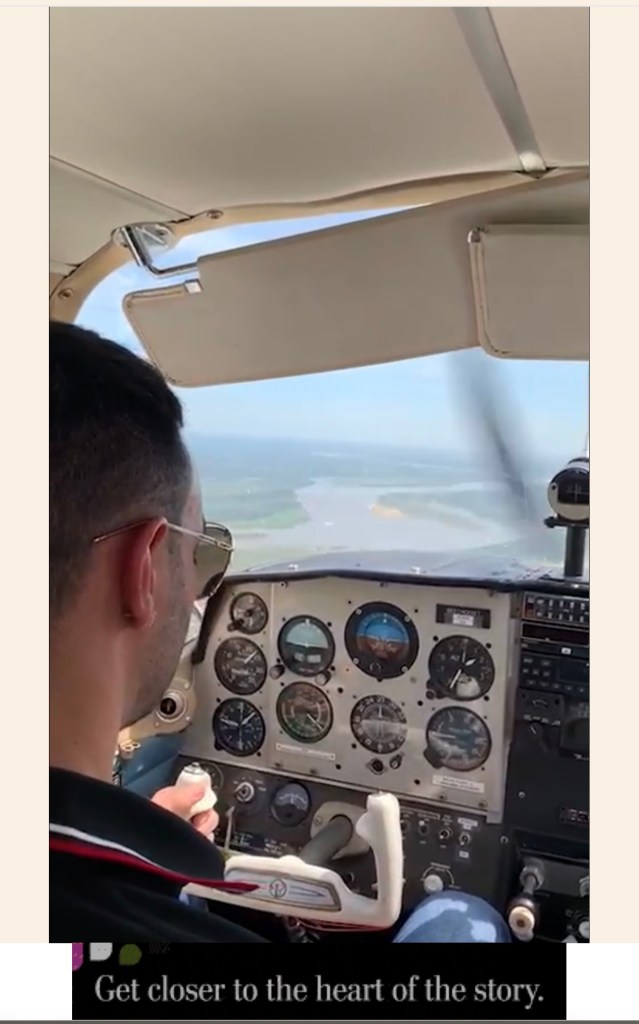
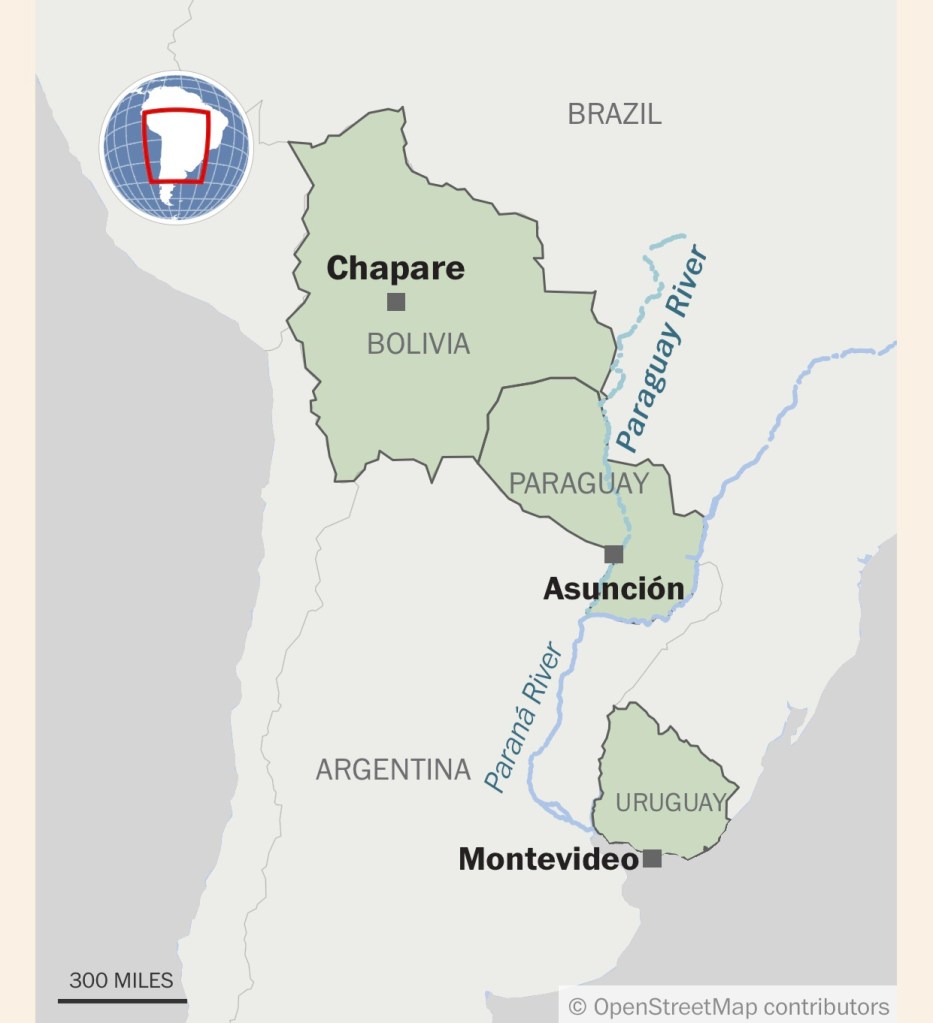
Officials documented how the unnamed man and his organization moved enormous quantities of cocaine. They would dispatch small airplanes from Paraguay’s main commercial airport, and then the pilots would turn off their radar. They would secretly fly across the border to Bolivia, landing on remote farms in Chapare, the country’s coca-growing region, where traffickers would fill the planes with between one and two tons of cocaine.
Then the planes would return to Paraguay, landing at one of the clandestine airstrips that now peppered the northern part of the country. The cocaine was taken by trucks to container ships waiting on the Paraguay River, which flows through Paraguay to the mouth of the Atlantic Ocean. Traffickers knew that those ships were almost never inspected before arriving in Europe; the port of Montevideo had only one semi-functional scanner. Each planeload of cocaine was worth more than $20 million once offloaded in Belgium or the Netherlands.
Officials identified at least 13 private jets being used by the cartel. Four of them, investigators found, were exclusively used to move cash.
But officials struggled to learn the name of the man who was running the operation, the tattooed young Uruguayan. Nor did they know that when his voice disappeared from the wiretaps for stretches, it wasn’t always because he was off trafficking cocaine.
Often it was because he was in the middle of a professional soccer game.
One rainy morning in early 2021, employees at Erico Galeano Stadium heard an engine revving in the gravel parking lot. When they got closer, they saw a silver Lamborghini speeding in tight circles, skidding across the surface.
The team’s security guard approached the car. The driver rolled down his window.
“I asked him, ‘Aren’t you worried about damaging your car?’” said the guard, who spoke on the condition of anonymity for security reasons. “And he just looked at me and said, ‘Don’t worry. I have four more.’”
It was Marset. He extended his right hand, with a lion tattooed across the knuckles, and introduced himself as Deportivo Capiatá’s newest player.
Marset began attending daily practice sessions and posing for team photos, always in the center of the frame. He was like a kid who had sneaked onto the field to play with his heroes — exuberant but inept. He brought his wife and three young sons to watch him play; he wanted them to see a win.
(Paraguay national police; Bolivian court documents; iStock)
He made a deal with his teammates. He would pay each of them several thousand dollars on top of their existing contracts for each victory. For many of the players, it was a life-changing sum. For Marset, who was living in a penthouse in the glittering Palacio de los Patos condominium, above a sauna and a 75-foot pool, it was nothing.
But Capiatá kept struggling, in part because of Marset’s performance. He botched passes, failed to track back to help his defenders and scuffed easy goal-scoring chances. As the team continued to lose, Capiatá officials recalled, one young player broke down in tears, having missed another chance at earning the bonus Marset had promised.
By then, Marset was attempting to balance his professional soccer career with a vibrant social life among the elite in Paraguay’s capital, Asunción. On April 11, 2021, he dispatched invitations across the city. They were in the form of fake boarding passes that said: “Birthday of Commander Sebastián Marset.”
It was his 30th birthday. The party was airplane-themed. A private jet was parked outside the venue. Attendees posed for photos behind the cutout of a plane that said “Emirates Marset.” The cake was five-tiered, with an edible airplane sitting on top.
The next day, he was back at practice. The players began wondering what investigators later would: Of all the teams in Paraguay, why had Marset arrived on theirs?
Deportivo Capiatá was the pride of an Asunción suburb. The team famously beat Boca Juniors, Latin America’s most celebrated club, in Argentina in 2014 — a huge underdog win. (Capiatá ultimately lost the second leg of the contest after a penalty shootout.)
For a time, Capiatá’s success was attributed to its powerful backer, Erico Galeano, whom the team’s stadium was named after.
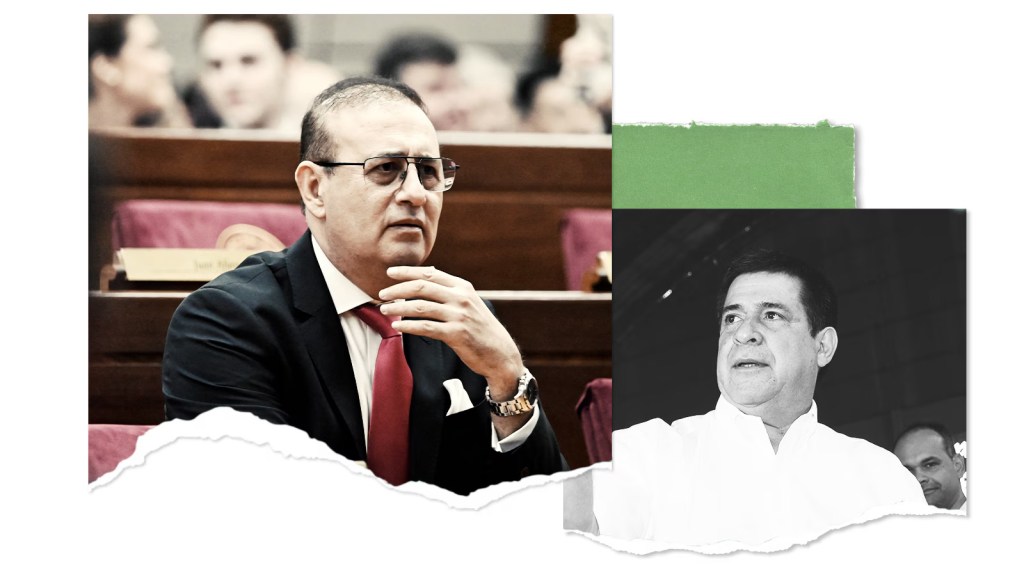
Galeano was a Paraguayan senator and tobacco baron. He had close ties to the country’s most influential politician, former president Cartes, who was put on the U.S. sanctions list for “rampant corruption.” Cartes was effectively still running portions of the country.
Both men had used soccer for political and financial gain — and worked in Paraguay’s National Congress to keep sports teams exempt from money-laundering legislation. Cartes funneled tens of millions of dollars to one of the country’s biggest soccer clubs, Libertad, and Galeano threw millions at Deportivo Capiatá, according to government records. Roughly $1.3 million of Galeano’s investment in the team appears to have come from cocaine trafficking, Paraguay’s attorney general would later argue.
Erico Galeano, a Paraguayan senator, left. Horacio Cartes, Paraguay’s former president, right. (Obtained by The Washington Post; Daniel Duarte/AFP/Getty Images; iStock)
Galeano and the club declined requests for comment. Cartes’s lawyer, Pedro Ovelar, said that the U.S. sanctions against Cartes represented “political persecution” and that his relationship with Galeano was a “political relationship, not a commercial one.”
By 2016, Galeano was elected president of Capiatá. At games, he sat just above the sideline in the center of the stadium. The team’s popularity translated to his own.
But it had begun to struggle. Capiatá was relegated to the country’s second division in 2019. Once-loyal fans stopped attending games. Players complained that the team’s equipment and gear were inadequate.
When he arrived in 2021, Marset began bankrolling improvements: new physical therapy beds, televisions, better food in the cafeteria. It was enough to win over his teammates. Though he wasn’t formally listed as the team’s owner, he poured drug money into Capiatá, investigators say, and siphoned a portion of its revenue.
The deal was even sweeter than that: Marset also bought himself a spot on the squad.
But the team’s coach, Nuñez, a former player on the Paraguayan World Cup team, was not impressed.
“I had the obligation to win or else they would fire me,” said Nuñez, who initially planned to keep Marset on the bench. “But it wasn’t the same for him. He was just having fun.”
There seemed to be only one person, investigators said, who could have brought Marset to Capiatá: Galeano. Paraguayan prosecutors found that Marset had been using the private jet of Galeano’s company to ferry his associates. Prosecutors also identified property deals between Galeano and Marset’s cartel. They would later indict the senator.
“Erico Galeano Segovia was at the service of the transnational criminal organization, dedicated to the international trafficking of cocaine,” the attorney general’s office wrote this year. The case has yet to go to trial.
Marset initially seemed unconcerned that his soccer career at Capiatá might raise his profile with authorities. He allowed the team to publish his name on its roster before games each week.
But by the end of May 2021, Marset learned that narcotics officers were trying to find him. It appears he was tipped off by high-level contacts in the Paraguayan government, investigators said. He stopped going to practice at Capiatá. His name was abruptly taken off the team’s roster.
When players passed his empty locker, they asked if anyone had heard from him. No one had.
It would not be his last time playing professional soccer while on the run. Capiatá was only the beginning, proof of what he could get away with.
As the manhunt for Marset grew, he doubled down on his double life as a professional player. He attempted to expand his soccer empire to Europe; he appeared on the starting lineups of new teams in new countries.
It seemed a foolish approach to evading arrest, the kind of arrogance that was destined to backfire.
Except it didn’t.
This is the first of a two-part series. Click on this link to read the second part, “As a drug trafficker pursued his dreams of soccer glory, investigators began to close in.”
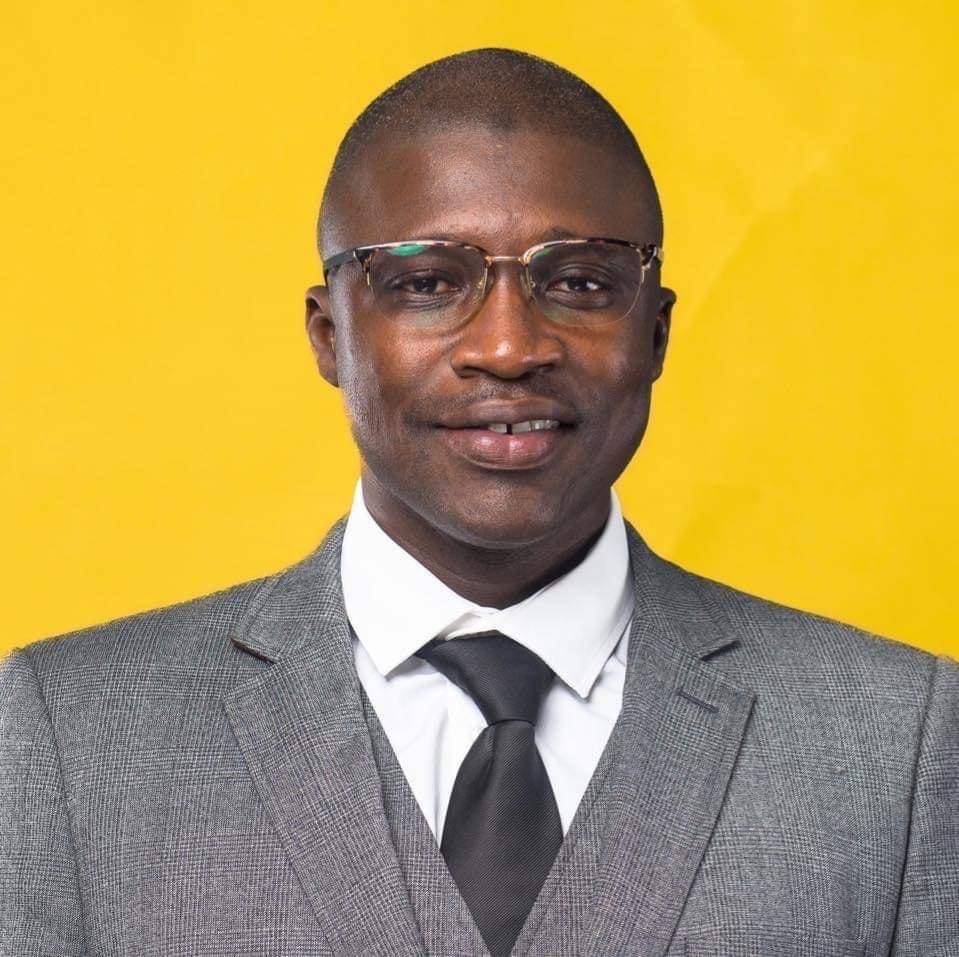
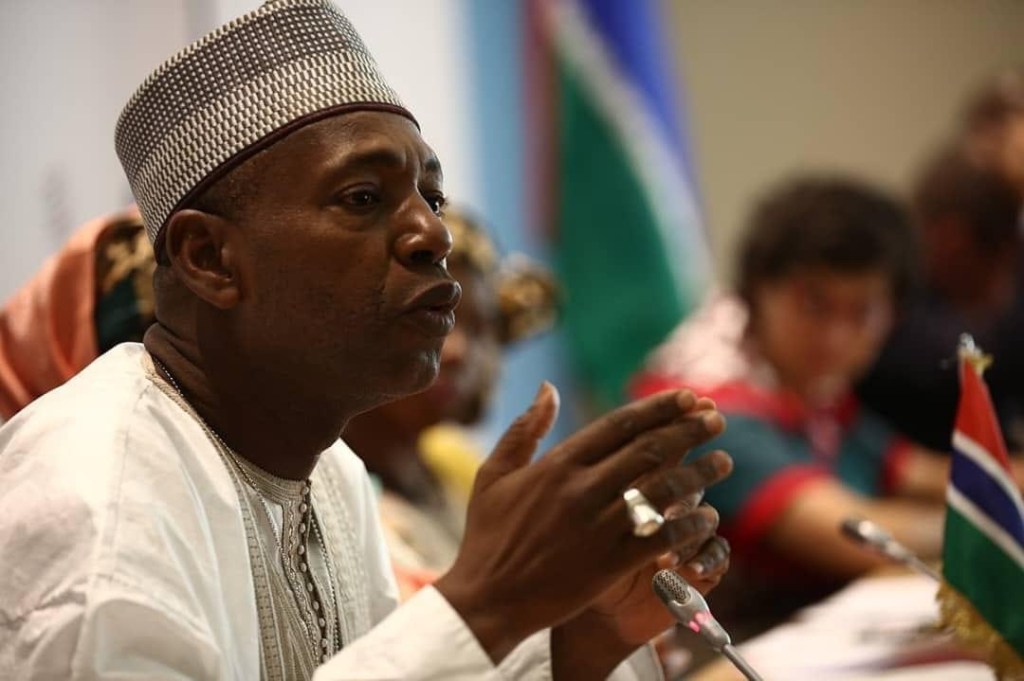
Hon. Yaya Menteng Sanyang, National Assembly member for Latrikunda Sabiji.
1. i. Judicial Officers’ Remuneration Bill & the National Assembly Salaries and Pensions Bill: What would be your approach?
“The National Assembly is the nucleus of this country. While there are executive and judicial branches, the legislative arm is the most important. It regulates all other state institutions.
As a representative of my people, I’ll ensure that whatever I endorse or reject resonates with their perspectives and opinions. On this bill, I’ll do the needful—consult my electorate to understand their stance. I am in Parliament because of them.”
ii. Have you reached out to your constituents regarding this bill?
“The bill is not yet before the National Assembly. It must be introduced by the Minister of Finance and Economic Affairs (MOFEA). Once introduced, we will subject it to thorough scrutiny. During this process, I will examine the bill in depth before reaching out to my constituents.”
iii. How would the sentiments of your constituents influence your opinion on the bill?
“Hugely! Their opinions will solely determine my decisions. As I mentioned, I am a people’s representative. Whatever decision I make must align with their interests. If the bill is introduced, I will plan and schedule consultations with organized societies and residents in my constituency to gauge their thoughts on the bill.”
iv. How much did the public outrage on social media and the recent protest regarding this bill influence your thoughts?
“The public outrage is significant and reflects some segments of the electorate’s stance. I may share their view that the bill is not a priority nor timely, given the state of our economy. However, that alone will not determine my decision. My constituents have the final say.
Some people among us are not well-acquainted with the bills introduced to the National Assembly. They haven’t read the bill to understand its provisions and implications. They tend to join the outcry without fully grasping the details. Genuine statesmanship requires a thorough understanding of what you advocate for. This is why I will reintroduce the bill to my people, explain its details, and then allow them to decide on a stance.”
V. What if their stance differs from your opinion on the bill? Which side would you lean toward?
“If their perception of the bill differs from mine, then my personal views don’t necessarily count. Instead, I will prioritize theirs, as I am here to represent the views of the entire Latrikunda Sabiji Constituency, not those of my family or friends. In simple terms, the will of my constituents will always be my priority.”
2. i. The Draft Constitution Bill: First Attempt. Why did the bill fail to pass?
“The bill was very consultative and inclusive, even involving Gambians in the diaspora. It represented the will and voice of the Gambian people. The former legislative council disrespected and dishonored Gambians by voting against the Draft Constitution after millions of taxpayers’ money was spent.
It’s embarrassing for a few MPs to reject the bill for personal gain, influenced by political figures or parties, rather than considering their constituents’ plight. The deliberations from some MPs were arrogant and uncalled for. Seeing the bill butchered like that was a horrible experience—one of the worst days in our legislative history.”
ii. Who is to blame?
“Of course, the ruling party’s MPs and their allies are to blame. They rejected the bill to serve their bosses’ selfish agenda, fearing it would limit the President’s powers. This shows a lack of respect for the people’s will and a lack of genuine democratic principles. It’s sad to see MPs dance to the President’s tune, allowing him to influence their decisions.
Lawmaking is our domain, not the President’s. I hope MPs learn from the public outrage and rectify their actions by passing the Draft Constitution Bill.”
iii. Potential Second Attempt: How Optimistic Are You for Its Success?
“Hopes are high, and efforts continue to bring the Draft Constitution back. I believe it will be reconsidered before the end of the year. MPs need to reach a compromise and adopt a new constitution that will lead us to a referendum, ushering in modern democratic laws for our country.
This new constitution should be in place before the 2026 presidential election. The Barrow-led administration must reintroduce the Draft Constitution to the National Assembly.”
In response to a recent directive from the Gambia Government, Ousman Ceesay, a prominent analyst, has weighed in on the issue of unlawful fees charged by Alkalolu and Chiefs (Sefolu) for land transactions. The government, through the Ministry of Lands, Regional Government and Religious Affairs, has ordered all Alkalolu and Chiefs to cease levying fees on land transactions, a practice deemed illegal and against principles of fairness and transparency.
Ceesay argues that despite the directive, little is expected to change. “With the Alikalo and Seyfo holding sway over land document validation, they’ll keep charging fees from buyers and sellers,” he states. He highlights the tactic often used by these officials to extract money through delays in validating land documents, a crucial step in the transfer process.
He emphasizes that the root of the problem lies in the centralized power structure and the lack of remuneration for Alikalos, who are responsible for the validation of land transfer documents. “Our land transfer documents need validation by the Alikalo and Seyfo—an official responsibility. Yet, many Alikalos nationwide remain unpaid. They’re expected to perform these official duties without remuneration,” Ceesay points out.
Ceesay suggests that the solution to this issue is the devolution of power. By decentralizing authority and providing adequate compensation to local officials, the government can ensure that land transactions are handled lawfully and efficiently. “We need to go back to the drawing board. Devolve power!” he asserts, arguing that this approach would address many of the current issues in land administration.
The government’s directive, while a step towards promoting good governance and upholding the rule of law in land dealings, must be accompanied by systemic changes to ensure its effectiveness. Ensuring that Alikalos and Chiefs are properly compensated for their official duties could reduce the temptation to impose unauthorized fees and enhance the overall transparency and fairness in land transactions.
As the Ministry of Lands, Regional Government and Religious Affairs continues its commitment to equitable access to land resources, the call for devolution of power and better remuneration for local officials stands as a crucial recommendation for achieving sustainable and just land governance in The Gambia.
A long legal battle involving Julian Assange appears to be finally reaching its end after the founder of the Wikileaks website agreed a deal with American authorities.
He had been fighting against extradition to the US where he was accused of disclosing military secrets.
Under the deal, he will plead guilty to one criminal charge and go free.
What did Julian Assange do?
Mr Assange ran Wikileaks, a website that published many confidential or restricted official reports related to war, spying and corruption.
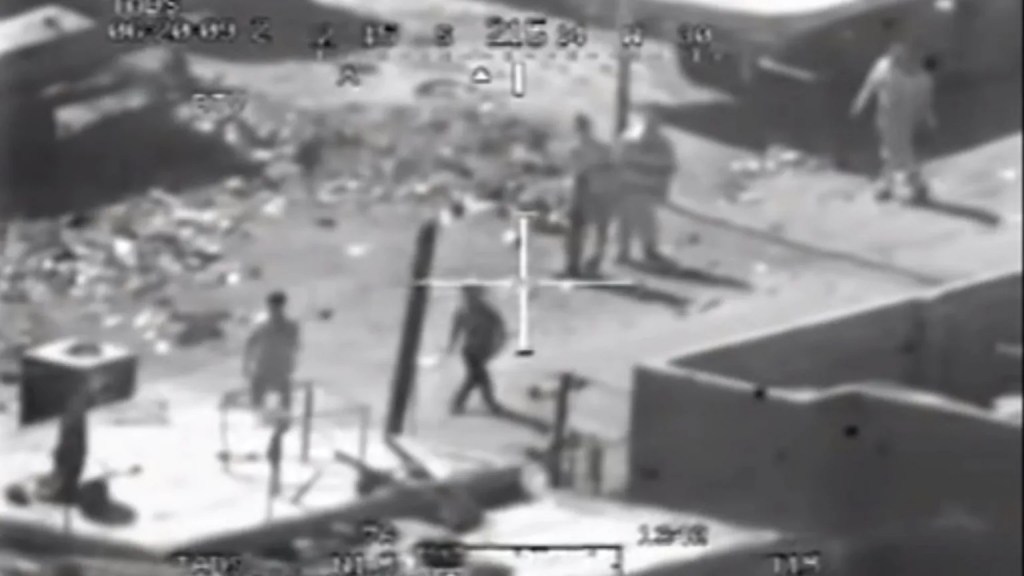
In 2010, it released a video from a US military helicopter which showed civilians being killed in the Iraqi capital Baghdad.
It also published thousands of confidential documents supplied by former US Army intelligence analyst Chelsea Manning. These suggested that the US military had killed hundreds of civilians in unreported incidents during the war in Afghanistan.
The revelations became a huge story, prompting reaction from all corners of the globe, and led to intense scrutiny of American involvement in foreign conflicts.
The US said the leaks had endangered the lives of American personnel.
Efforts were made to bring him to the US for prosecution – which he fought for 14 years in some of the world’s highest courts.
Mr Assange has always argued that he exposed serious abuses by US armed forces, and that the case against him was politically-motivated.
Helicopter footage was posted on Wilkileaks
Who is Julian Assange?
Born in Australia, Mr Assange gained a reputation for computer programming as a teenager. In 1995, he was fined for hacking offences.
He also dabbled in academia – co-writing a bestselling book on the emerging, subversive side of the internet, before studying physics and maths.
In 2010 – the year Wikileaks released the footage of US soldiers shooting dead Iraqi civilians – Sweden issued an arrest warrant for Mr Assange, accusing him of having raped one woman and molested another.
This marked the start of Mr Assange’s 14-year legal battle.
He was detained in the UK and denied the claims against him, arguing that they were a ploy to extradite him to the US to face espionage charges over the Wikileaks disclosures.
In 2012, he claimed asylum in the Ecuadorean embassy in London – having found sympathy for his cause from the country’s then-president.
Actor Pamela Anderson was one of the high-profile supporters who visited Mr Assange at the Ecuadorian Embassy
Mr Assange spent seven years in the embassy, and was regularly visited by celebrity supporters including the singer Lady Gaga and the actor Pamela Anderson.
He was ordered to leave the building by a later Ecuadorean president, was arrested by UK police, and went on to spend five years in a British prison as he continued efforts to fight extradition to the US.
In November 2019, the Swedish authorities dropped the case against Mr Assange because they said too much time had passed since the alleged offences.
Mr Assange’s supporters said the agreement was reached after intense diplomatic efforts and pressure from Australia. The country’s Prime Minister Anthony Albanese said the case had “dragged on too long”.
US President Joe Biden previously said he would consider a formal request to drop charges – a remark that was welcomed by Mr Assange’s supporters, who cited his ill-health.
Mr Assange’s wife Stella Assange suggested a “breakthrough” was finally reached after the UK High Court began to consider her husband’s constitutional protections under the freedom of the press.
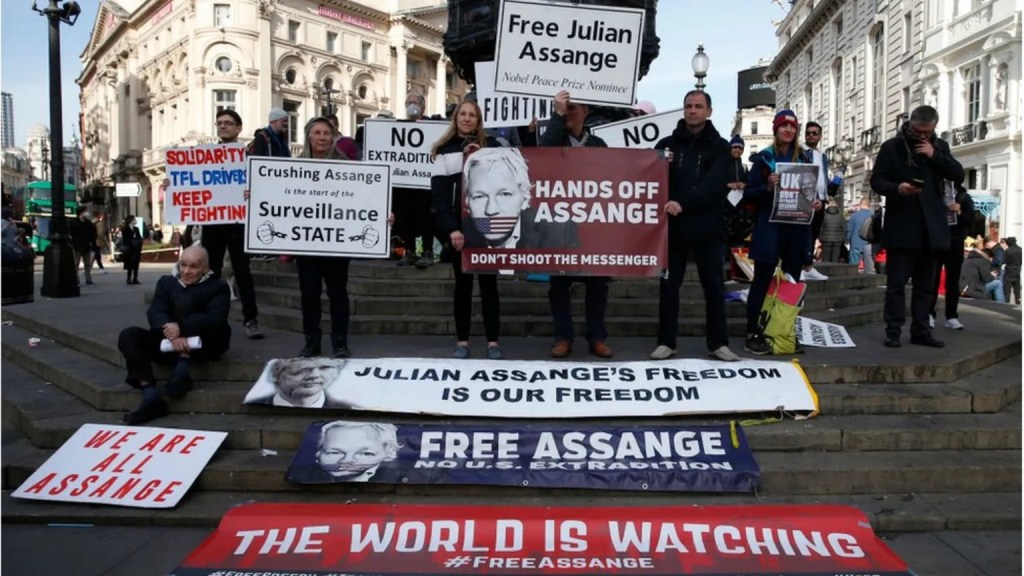
Protesters in London rallying in solidarity with the Wikileaks founder in 2021
What is Wikileaks and what else has it done?
Mr Assange’s website, which he set up in 2006, claims to have published more than 10 million documents on all manner of topics.
It is currently led by Icelandic journalist Kristinn Hrafnsson.
As well as the revelations related to Iraq and Afghanistan, it published a leak of documents from movie studio Sony Pictures in 2015.
It also disclosed thousands of hacked emails from the account of Hillary Clinton’s campaign boss John Podesta, in the run-up to the 2016 US presidential election.
To its supporters, the whistleblowing website is a key player in exposing secrets governments and companies would rather keep hidden.
But those whose documents were exposed on the web argue it is a dangerous and reckless force.
I have noticed a downturn in your popularity and support, even among your most judicious followers and sympathizers. People are expressing their disappointment and regret in voting for you in the last elections, as evident from the increasing online discussions about their dissatisfaction. It is crucial for you to reassess your strategies and seek guidance from sincere advisers, rather than relying on political opportunists dressed in advisory roles solely to please your preferences. This approach will revitalize your leadership.
Your frequent verbal missteps, gaffes, and faux pas are becoming increasingly displeasing and unacceptable. They have the potential to further fuel significant discontent among the population. As a leader, it is essential to assert control over the narrative rather than letting circumstances dictate your actions. While it may be challenging to sway public opinion during strenuous times, resorting to derogatory or discriminatory rhetoric is not the solution, whether in politics or any other domain.
Your recent ‘boutique Narr’-gate remarks were not only offensive but also disrespectful. I urge you to refrain from undermining the nation’s constitution, peace, and security. Our country is the legacy we leave for our children and grandchildren, and safeguarding it should be our top priority. Upholding your promise to ensure the safety and well-being of the nation is a cardinal aspect of the social contract you entered into upon assuming office.
Your position of authority should not be used at any point to stifle opposition or dictate their actions. Opposition parties operate within the framework of the law, just as your party, the NPP, does. It is crucial to respect the democratic process and allow for healthy political discourse.
As someone who wishes the best for our nation and its people, I offer this advice as my Bandam uncle in a spirit of goodwill and concern. Political success is not measured by grandstanding or divisive rhetoric but by tangible achievements and constructive leadership.
While leadership may be accompanied by some sort of disdain, I urge you, for the sake of our hard-earned democracy and the people you serve, to retract your ’boutique Narr’ comments and extend an apology to the Kerr Fatou media.
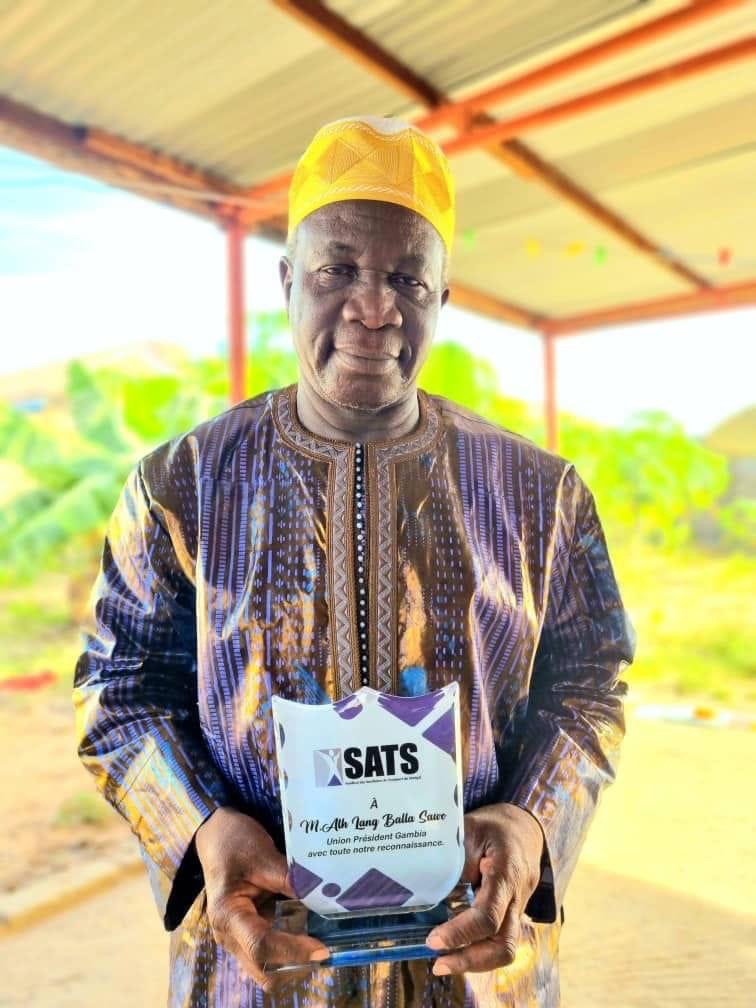
NPP’s Fafa Sanyang Speaks Out on Corruption Allegations and Suspension of Lang Balla Sawo.
By Abdallah Khabib Jallow
Fafa Njie Sanyang criticised Lang Balla Saho
In what is arguably one of the grandest corruption scandals at the GPA, the Gambia Dock and Maritime Workers Union (GDMWU) made a decisive move last week by unanimously voting to indefinitely suspend its embattled boss, Lang Balla Sawo. The union’s interim executive committee, supported by Fafa Sanyang, the Welfare officer of the Gambia Dock and Maritime Workers Union, convened a briefing where Mr. Sanyang forthrightly criticised the under-fire boss.
Mr. Sanyang accused Lang Balla of utilising his affiliation with the NPP as a shield against accountability, alleging misappropriation of over D17 million from the union’s workers welfare funds. He asserted that Lang Balla’s perceived immunity stemmed from his strong ties to the ruling NPP, leading to financial impropriety while evading scrutiny.
Addressing a gathering of dock and marine workers, stressing the severity of the situation, Mr. Sanyang spoke to NPP supporters, who for most of the time since the onset of the alleged fraud stood in solidarity with Lang Balla.
Lang has himself trapped in the closet of criticisms following his allegation of gross financial misappropriation.
“Lang has been shielding himself from accountability using the NPP’s influence, taking advantage of poor workers, and believing he is above the law,” he stated.
However, he acknowledged that some NPP supporters might not be fully informed about the case.
“If you see some NPP supporters showing solidarity with Lang, it’s likely because they are unaware of the full situation, which is why I don’t blame them,” he added.
Mr. Sanyang emphasised the betrayal of trust resulting from the misappropriation of such funds, impacting hundreds of individuals who depend on these funds for their livelihoods.
The allegations centered on Lang Balla’s handling of funds designated for the welfare of union members, sourced primarily from GPA contributions.
“GPA allocated D9 million as a subvention to union members, with each member expected to receive over D25 thousand. However, Lang embezzled these funds, depriving the members of their rightful entitlements,” Sanyang claimed.
He highlighted discrepancies in fund disbursement, claiming that despite substantial dues paid by members, the actual utilization of these funds remains unclear, with only a fraction of the expected amounts accounted for.
“The union dues paid by members working in truck cargo and container vessels for pensioner’s allowance amounted to D7,279,000, excluding contributions from other sectors, totaling D17 million,” Sanyang emphasised.
According to him, during their investigation and visit to the account where these funds were supposed to be deposited, they were surprised to find only D61,000 in the account.
In a bid to support his claim of the missing millions, Sanyang explained, “the interim executive took swift action upon assuming leadership. The interim union president, alongside his deputy, directed GPA management to maintain the collection of union dues but specified that these funds should not be allocated to Lang. Remarkably, within a mere two weeks, they successfully accumulated up to D77,000. This starkly contrasts with the previous seven-year tenure under Lang Balla, where only D61,000 could be accounted for.”
Continuing to address the issue and aiming to remind his fellow NPP supporters who have long dismissed these allegations against Lang as a mere witch hunt, he said: “I want to convey this message to my fellow NPP supporters: This is the conduct and irresponsibility exhibited by Lang. I could have chosen to support him on this since we’re from the same party, but I wouldn’t do it because this is not about politics. If you truly care about Lang, just as I do, you should focus on helping him address these issues rather than blindly supporting him in such misconduct. If you choose otherwise, it may indicate a lack of genuine concern for him.”
Uninterruptedly, he urged them to bear in mind that over 500 individuals, who put their lives at risk working to feed their families, are being robbed.
“Therefore, if all these people agree to suspend Lang, it is their right to do so,” Sanyang added.
He further mentioned that the GPA management has agreed to approve Lang’s suspension following the union’s inquiry.
Addressing concerns of political interference, Sanyang reassured union members that the president has distanced himself from the case, emphasizing his commitment to impartiality and justice.
“To clarify this matter, H.E. President Barrow has guaranteed that he has nothing to do with this case. He understands that there are people here who support and voted for him. If he were to support Lang over the members in this matter, it would not be a good approach for a leader, and the president is conscious of this because it wouldn’t do him any good in the upcoming election,” he stressed.
In a clear attempt to refute longstanding claims of Lang Balla’s employment discrimination in favor of the NPP, Mr. Sanyang insisted that this has never been the case. Instead, he pointed out that Lang practiced favoritism in his employment terms for personal gain.
“Lang was offering jobs in exchange for money. Some job seekers were paying Lang amounts exceeding D20,000 to secure a job as dockworkers,” Mr. Sanyang alleged.
He further claimed to know of instances where individuals paid over D50,000 to Lang just to secure a job in the docking industry.
“Paying for employment within our country? That should never happen anywhere. It is the right of every citizen to apply for a job freely. If jobs were intended to be sold, then President Barrow would have become a billionaire,” Sanyang emphasised.
Still on the illegitimate activities under Lang Balla’s leadership, he claimed that promotions weren’t necessarily based on merit but rather on Lang’s personal preference.
“Lang felt untouchable to the point where even the workers and his subordinates were afraid of him. Whatever he deemed right was considered the correct course, and no one dared to challenge him. He would bring a new employee to the office the next day without informing any of his senior staff, neglecting proper employment procedures for the new hire.
“Even if someone speaks out about his misconduct, others would walk away due to fear of being punished or even fired. He was literally running the department similar to how ex-president Jammeh ruled the country, not realising that we are now free from those days. However, all this was possible because of his strong alignment with the NPP,” Sanyang boldly claimed.
He stressed that these issues were among several others occurring in the industry. However, he vowed that they would become history, assuring the workers of trust in the new interim executive.
In his concluding remarks, he commended the dockers for their resilience in standing against corruption and malpractice, expressing hope for a renewed era of integrity under new and more conducive working conditions.
Despite Lang Balla facing a tough indefinite suspension, it remains to be seen whether he will face indictment, pending further developments in this ongoing saga of alleged gross financial malpractice.
I am not sure if it is a mark of our desperation for better due to the mediocrity that abounds or simply a mark of the fickleness of some but we sure love to encourage people to run for president. As soon as anyone gets a little Gambian fame, folks start clamoring that you should run for president. And if one is not grounded in reality, the hubris and clap-trap can easily get to your head and thereby making your head too big to fit in the Independence Stadium. I mean should our standards be so low that we prod every freaking Njundu and Omar to run for president? Is it possible for people to make a difference in The Gambia without having to be a president?
But I think I get it. It is not about changing the lives of the people; it is about enriching oneself and your cronies around you. It is about the fame and the myriad of unearned privileges. It is the adulation. It is the ability to eat off the backs of ordinary Gambians while you live like the king. It is about the fulfillment of prophecy. It is about your destiny. That is what we have reduced our politics and our people to! An opportunity to get rich and get your minions rich beyond their wildest dreams. An opportunity to be toasted and celebrated! You wonder why you see everyone staking their claim readying themselves to be either at the buffet table made up of the blood, sweat and tears of Gambians. Those who cannot get a chair around the table ensure that they cozy up to those with the chairs around the buffet table. Everyone angling and elbowing the next person for some government position. Not to serve the people, but to drink their blood, wash in their sweat and toast to their tears!
So someone I know contacted me and was telling me how everyone is telling him to run for president. He is seen as an intelligent person and very likable character and has some of that Gambian fame. But when I asked him why people were telling him to run, he let out a soft laughter as if to say “When your people ask you to serve them, you should not ask why.” Nothing irks me more than some fake humble disposition. Unsatisfied, I asked him what makes him think he can transform Gambia from the depths of poverty to the heights of nirvana. I guess my questions were taken as a personal (you know we hate being questioned) affront and he didn’t take too kindly to them. And so, as we typically do, he flipped the script and began asking me if I don’t think he can run this country!!! I refused his bait and insisted on him answering my questions.
To sum it up, let’s say the conversation did not end too well. I may have lost a friend ndeysan. Let me know if you would like to take his place. Just don’t tell me you too will be running for Perrsident because everyone thinks you will make a good Perrsident!!! I am not everyone and I have also received my shares of “Alagie, you should run for president…” But you will not see me letting that get to my head for I know how fickle we can be. I have been there and done that. My sole objective is to be an Imam in Badibu!!! That is my way to heaven and my way to riches on this earth. If the presidency is your way of getting there, leave me out of it for we have different paths! For Gambia to rise, the foundation must be dismantled and that includes the minds! And I am not talking about the minds of only the folks in Wulli Fadia Kunda, I am talking about the minds that claim to be educated and well accomplished! Jeez
You know, I want to think that even those who do not support my Bandam will admit that he is truly a political animal as he once called himself. Ok, I admit I don’t know what political animal means but what I’m trying to put across is that even those who do not support him should have some respect for his political acumen. Barrow may have been politically unripe in the beginning but he is certainly growing into a political virtuoso as the years go by. Surrounding himself with the enablers of the evil dictator, Barrow has adopted Jammeh’s ways without embracing all his evil tendencies!
I don’t know if Barrow copied what I call political cooptation from Yaya Jammeh’s proverbial book he forgot to take with him on vacation to Equatorial Guinea but my Bandam is certainly making good use of it. Cooptation is defined as the act of taking over something for a different purpose. And so when my Bandam takes over political opponents and repurposes them to consolidate power, we can call that political cooptation, Gambian style.
My Bandam’s abiding maxim seems to be: Less repression, more Cooptation! And it’s working. Cooptation is a lot easier when people are fickle-minded, or when people believe that politics is a dirty game and so they take pride in being dirty. Cooptation is a lot easier when double-tongued individuals are a dime a dozen among a population. In this colonial space, we don’t even exhibit an iota of shame for saying something yesterday and saying the opposite today simply because our fortunes have changed. Political Cooptation is also much easier when people’s greed for material possessions is not commensurate to their ability to make money outside of being in government or being a political lackey for some political godfather.
Politically co-opting the Gambian requires knowing two facts we hate to admit: One is that colonialism predisposed many Gambians to an addiction to palass or government jobs! Two, this addiction has caused too many of us to be fickle-minded and unprincipled. Yaya Jammeh knew of this addiction to palass and he knew how fickle too many of us are. That was why he was able to use and abuse so many of us. You give a Gambian a palass and you practically own them! They’ll say and do anything to remain in that palass. And if the palass is ministerdom, where consciences go to die, you will have a minister with zero principle who will even try to convince people that it was Allah who chose you to be president. And When the praise-singers no longer serve a viable purpose, you get rid of them and co-opt new ones or recycle old ones! You will always have a pool of readymade and unprincipled Gambians to co-opt. If they are your political critics, even better.
To drive home my point, let me quote two tongues that were both speaking about President Adama Barrow: The first tongue said:
Now let us hear what the second tongue said:
Thank you @BarrowPresident for appointing me State Minister of Information. I promise to serve you & the Gambia & to deliver to the best of my ability. This is great privilege & honour. I look forward to working with you & Cabinet Colleagues to deliver your transformative agenda.
In case you’re wondering, both tongues belong to Dr Ismaila Ceesay. Barrow conquered Ceesay just as he conquered other opposition party leaders and members. The political hustle is real! And sadly, all the hustlers will claim they are doing it for The Gambia!!! Even Adama Barrow will claim he is co-opting these folks for the development of The Gambia. But there’s a reason Dr Ismaila Ceesay promises to serve Adama Barrow first before he serves Gambia! Can’t help but feel sorry for the people of this country! And for all those who were coopted, as Mutabarukas character deadpanned: When u not in power your honour, It is easy to say dis and that. But when you have power Is a different sanky You have to sing.
The challenge with political Cooptation in this colonial space is that it never ends well! When the foundation of any relationship is built on deceit, it is only a matter of time before deceit slowly corrodes the foundations and disrobe the relationship! Now I know who my true friends are was what Yaya Jammeh said as he fled into vacation. Those he politically coopted had already pledged allegiance elsewhere. Let’s watch this space.
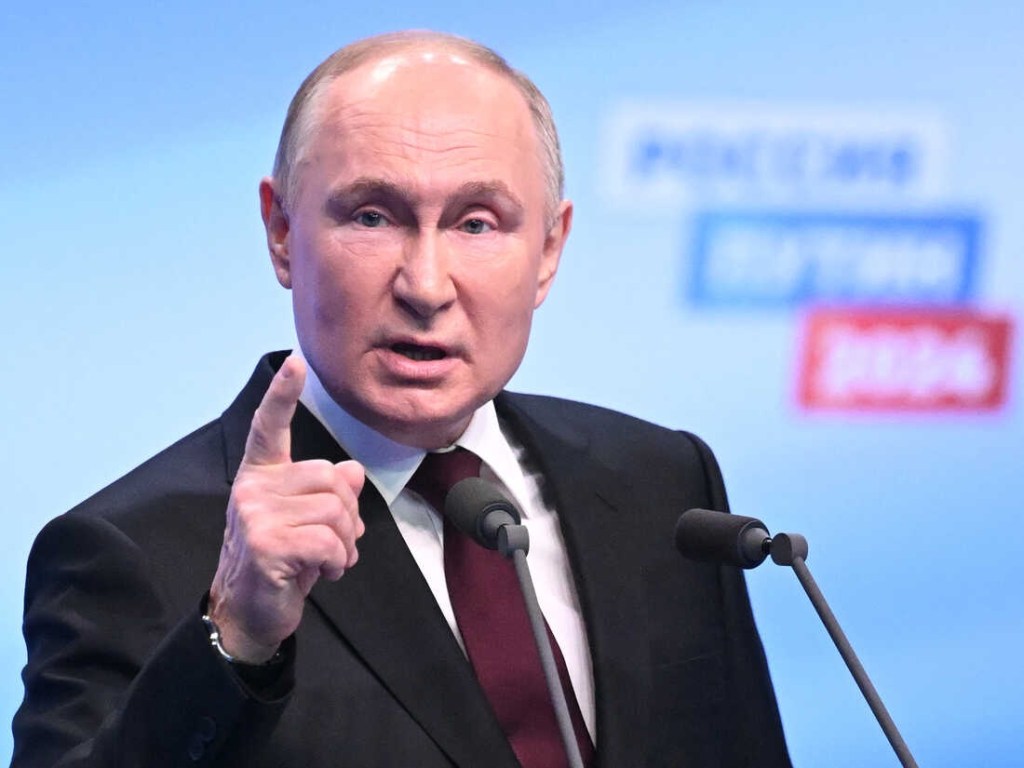
Relaxed in his garden under Moscow’s chilly snowy skies, Putin sips his coffee. He’s not just a leader; he’s a guru—the ‘Kremlin god,’ as his loyalists hail him. Across the board, there’s Alexei Navalny, a thorn in Putin’s side, challenging the very essence of Kremlin power.
Navalny’s rise unsettled Putin. But like a seasoned chess grandmaster, Putin strategized, making calculated moves to silence Navalny’s dissent. His first play? A poison plot worthy of a spy novel, executed during a Berlin bar soirée.
In the heart of political intrigue—Putin played a strategic game. Alexei, perhaps the youngest if not the bitterest of Kremlin’s critics since the dramatic fall of the Soviet Communist cathedral. My old landlady would tell me, “even warlord Gorbachev wouldn’t have withstood the heat of Alex’s [Alexei] razor-sharp critiques.” However, Putin’s resilience and calculated moves constantly sought to silence Navalny.
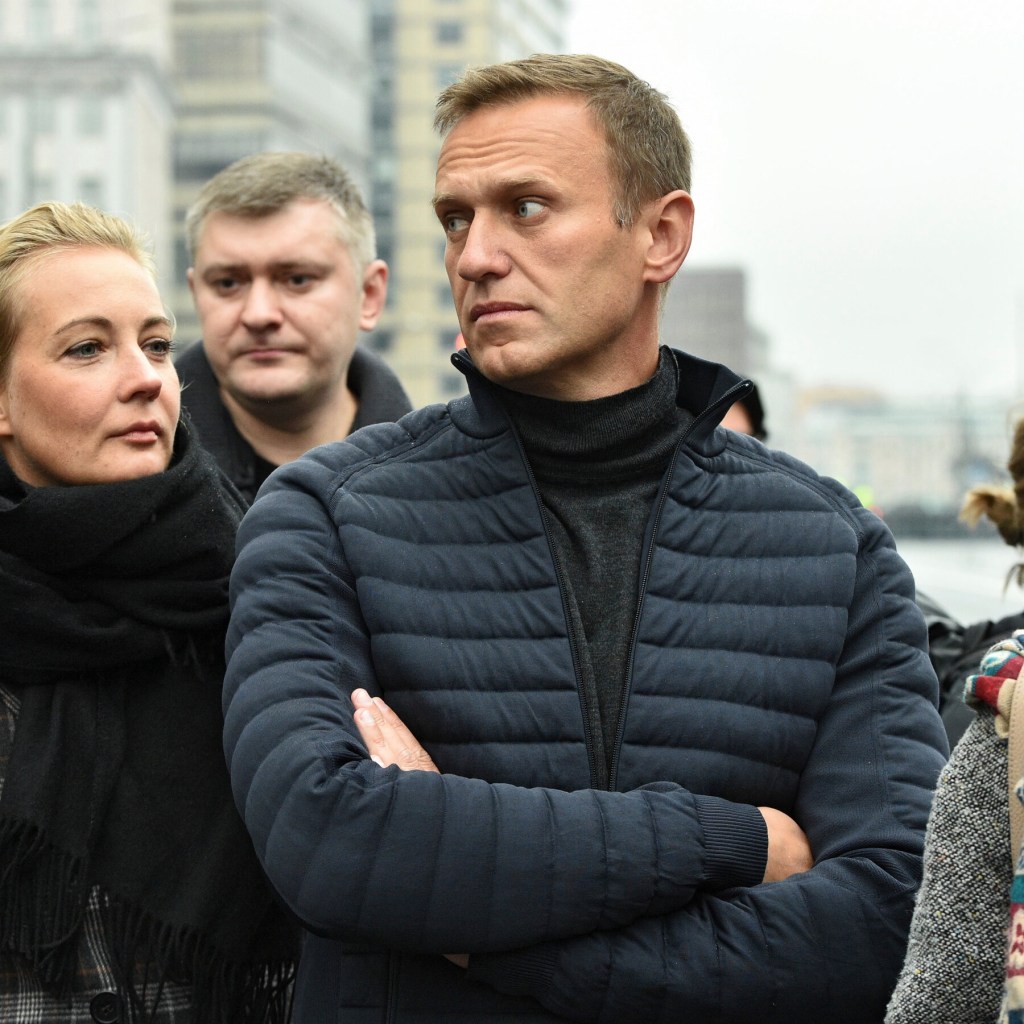
Former Kremlin Critic—Alexei Navalni (deceased)
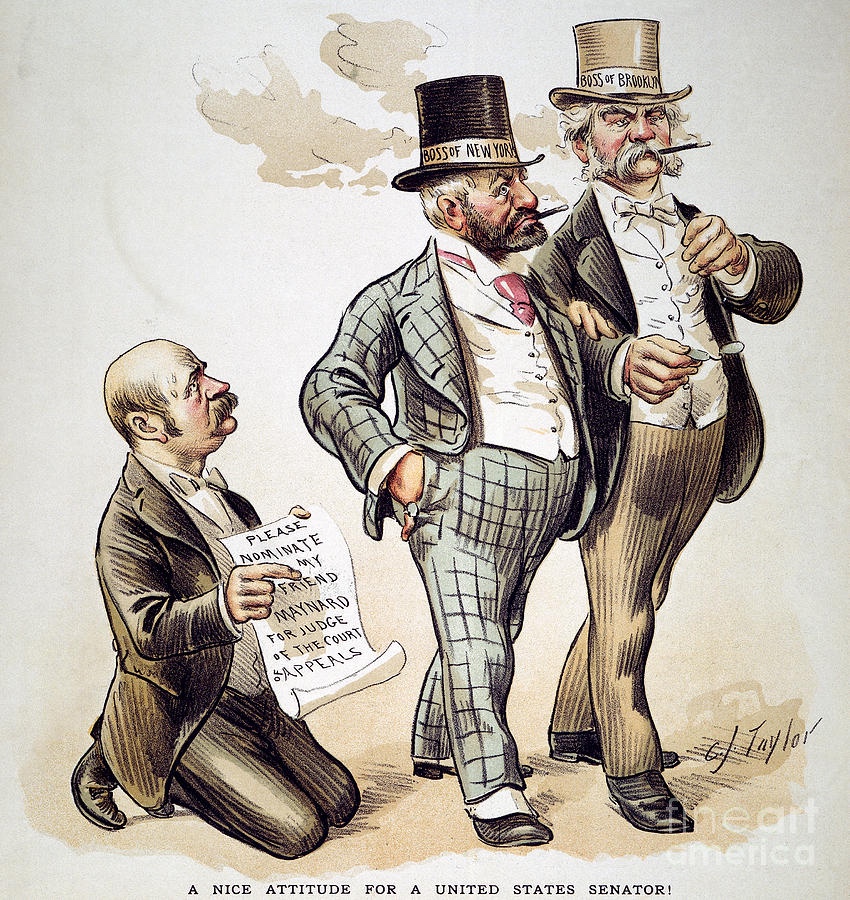
As Navalny rose to prominence, Putin faced a challenge unlike any other. With a tenacity that mirrored that of a political chess master, Putin maneuvered the pieces on the board. His iron grip on power led him to orchestrate a series of strategic ploys, skillfully suppressing Navalny’s voice and influence. Putin’s first move on the chessboard took a script from his old playbook— ‘… and if the pieces on a chessboard were endowed with consciousness, they’d probably have little difficulty in ascribing their moves to freewill.’—Vlad through his overseas assignments then in Germany, took to poison Navalny while Alexei was out dining at a bar in an early evening Berlin suburb.
But for that scrabble slot, it was too little to eliminate Alexei, a testament to Navalny’s resilience. Alexei was then given regimen—but hidden—in a treatment facility somewhere in Germany.
For the nonce, in spite of seismic international scrutiny, Putin deftly navigated diplomatic waters, solidifying his image as a formidable strongman. Forget the famous luck of the Irish; “Vladimir the god” is an algorithm of political prowess, where resilience met cunning, and the Kremlin’s grip tightened.
Through intricate maneuvers and geopolitical finesse, Putin left Navalny alienated. The tale of Vladimir Putin’s strategic silencing of his critics now becomes a chapter in the annals of political mastery, creating a narrative that echoed through the echelons of power.
From Prigozhin to Navalny, peevish Putin wouldn’t give a space for his critics to breathe. Through his game of chess, Vladimir ‘The Kremlin god’ once again—but this time in a more simplistic affair—retains his throne.
Even so, in the aftermath of the just-concluded tumultuous state elections where Putin marched to the polls unopposed amidst the uproar and fervor of controversy, under the current Russian constitution, Putin is eligible to run for president for another six-year term in 2030. This means he could potentially remain in power until 2036, and if so, will surpass Stalin as the longest-serving Russian leader since the beginning of the Soviet era. As backlashes rekindle but allies applaud, Putin’s throne remains undisputed, solidifying his status as ‘The Kremlin god,’ a colossus in the corridors of power.



 TheHeraldWhistleBlower