By Abdallah Khabib Jallow
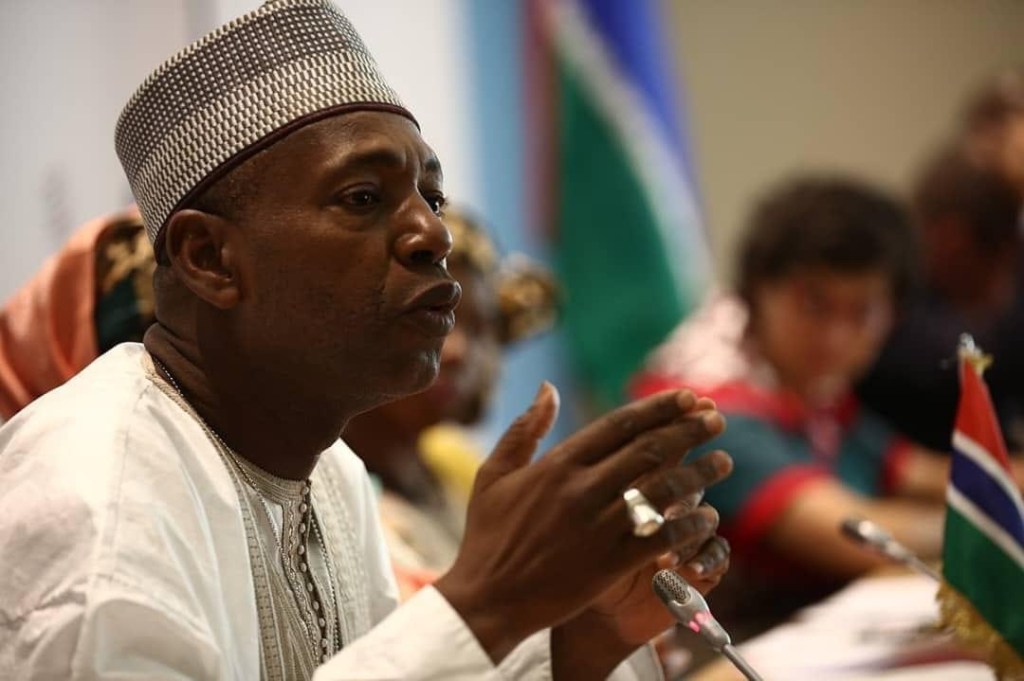
In response to a recent directive from the Gambia Government, Ousman Ceesay, a prominent analyst, has weighed in on the issue of unlawful fees charged by Alkalolu and Chiefs (Sefolu) for land transactions. The government, through the Ministry of Lands, Regional Government and Religious Affairs, has ordered all Alkalolu and Chiefs to cease levying fees on land transactions, a practice deemed illegal and against principles of fairness and transparency.
Ceesay argues that despite the directive, little is expected to change. “With the Alikalo and Seyfo holding sway over land document validation, they’ll keep charging fees from buyers and sellers,” he states. He highlights the tactic often used by these officials to extract money through delays in validating land documents, a crucial step in the transfer process.
He emphasizes that the root of the problem lies in the centralized power structure and the lack of remuneration for Alikalos, who are responsible for the validation of land transfer documents. “Our land transfer documents need validation by the Alikalo and Seyfo—an official responsibility. Yet, many Alikalos nationwide remain unpaid. They’re expected to perform these official duties without remuneration,” Ceesay points out.
Ceesay suggests that the solution to this issue is the devolution of power. By decentralizing authority and providing adequate compensation to local officials, the government can ensure that land transactions are handled lawfully and efficiently. “We need to go back to the drawing board. Devolve power!” he asserts, arguing that this approach would address many of the current issues in land administration.
The government’s directive, while a step towards promoting good governance and upholding the rule of law in land dealings, must be accompanied by systemic changes to ensure its effectiveness. Ensuring that Alikalos and Chiefs are properly compensated for their official duties could reduce the temptation to impose unauthorized fees and enhance the overall transparency and fairness in land transactions.
As the Ministry of Lands, Regional Government and Religious Affairs continues its commitment to equitable access to land resources, the call for devolution of power and better remuneration for local officials stands as a crucial recommendation for achieving sustainable and just land governance in The Gambia.

