By Abdallah Khabib Jallow
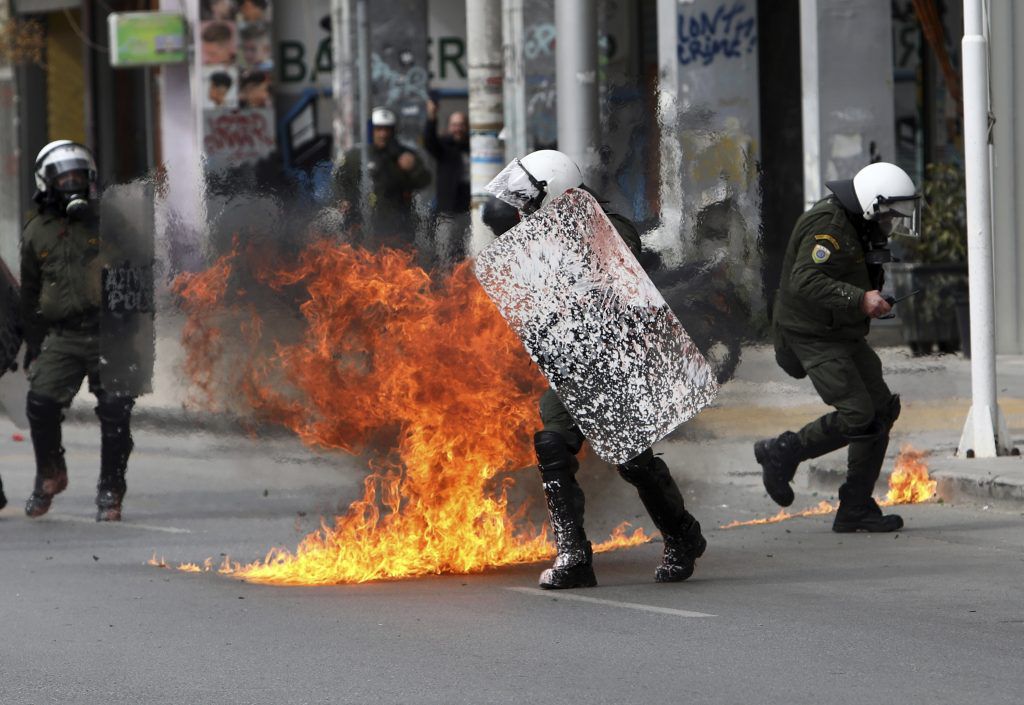
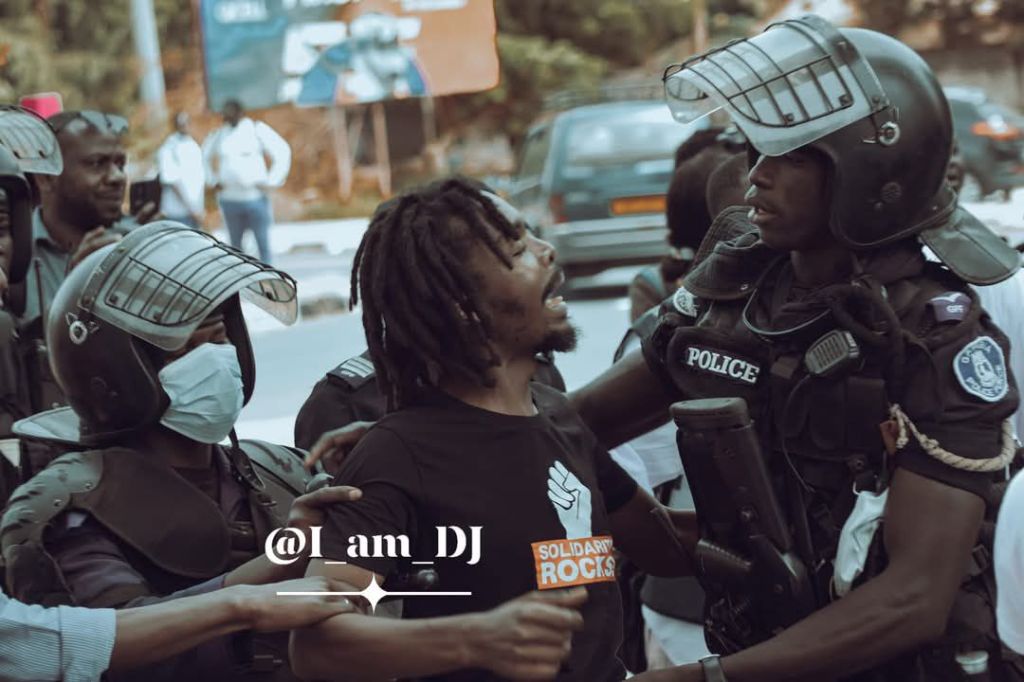
There exists a place in every democracy where accountability goes to die—a shadowland between campaign promises and real governance, where leaders who swore oaths on constitutions, Qur’an, and Bibles suddenly develop selective amnesia. It’s the place beyond the pines of public scrutiny, where transparency is treated as a nuisance rather than a mandate. And in The Gambia, as we’ve seen with the GALA protests over the Jammeh asset sales, it’s only when citizens march, chant, and risk arrest that the government pretends to remember its duties.
The Transparency Farce
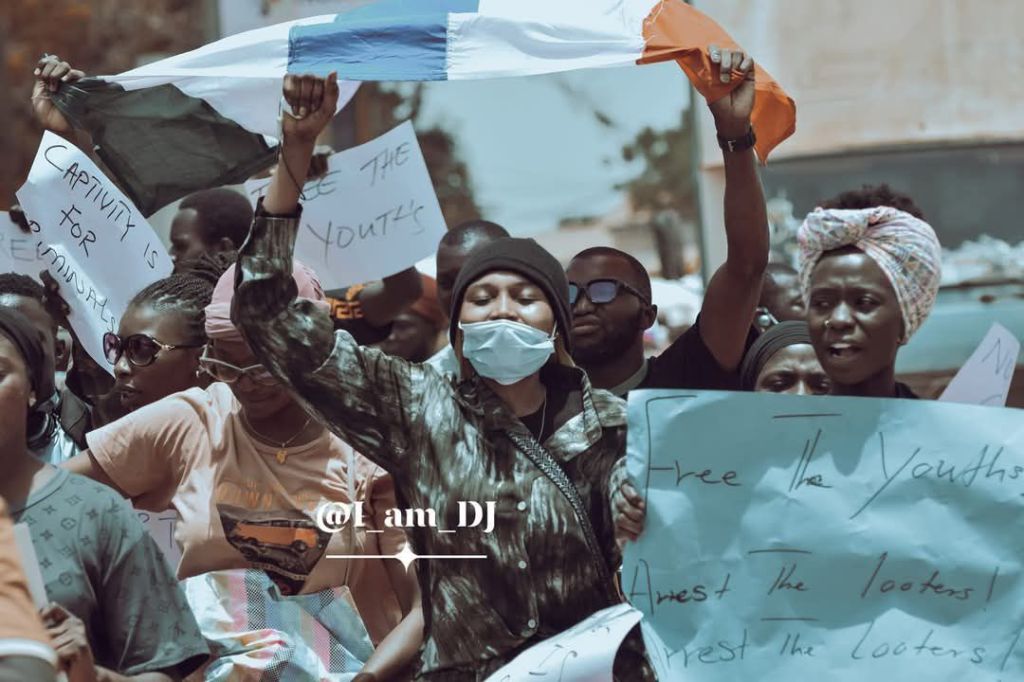
Every election cycle, politicians pledge fidelity to “good governance.” They wax poetic about accountability, swear oaths to serve the people, and posture as champions of democracy. Yet, when asked to release basic documents—like the sale records of Yahya Jammeh’s looted assets—they suddenly morph into gatekeepers of state secrets. The GALA youth didn’t protest because they enjoy street battles; they protested because every polite request, every parliamentary query, and every legal demand was met with the same bureaucratic shrug: “Wait.”
But history shows that governments only end their waiting games when the streets catch fire.
The Protest Paradox
From Senegal to South Africa, the pattern is identical:
- Citizens ask nicely (petitions, hearings, FOIA requests).
- Officials stall (“Under review,” “Classified,” “Not in public interest”).
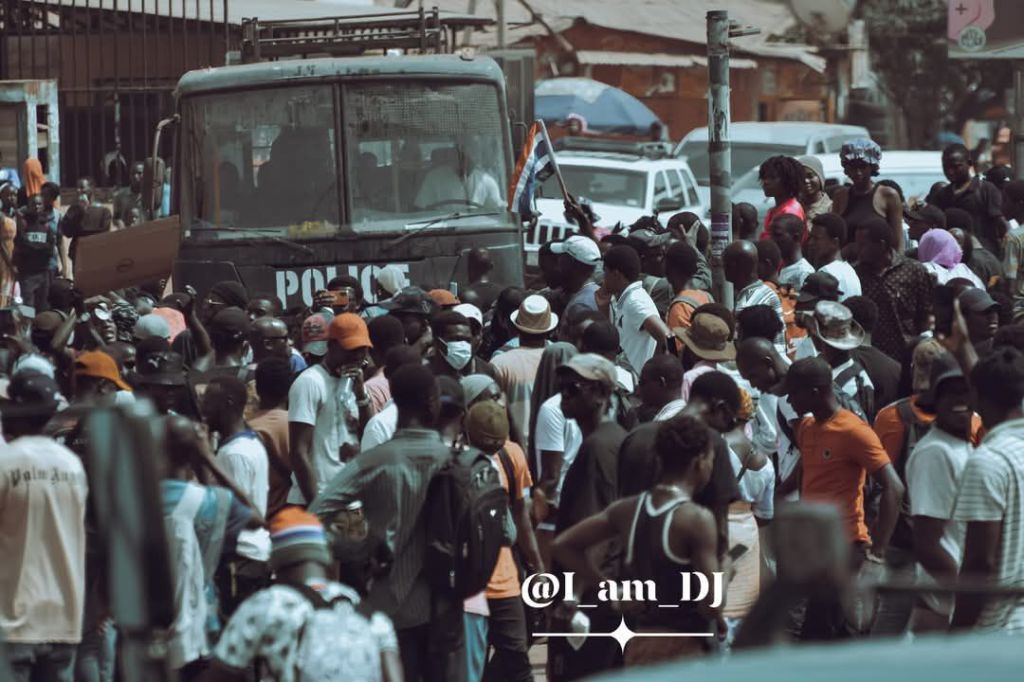
- Citizens protest (block roads, chant, endure tear gas).
- Officials panic (“We were just about to release those documents!”).
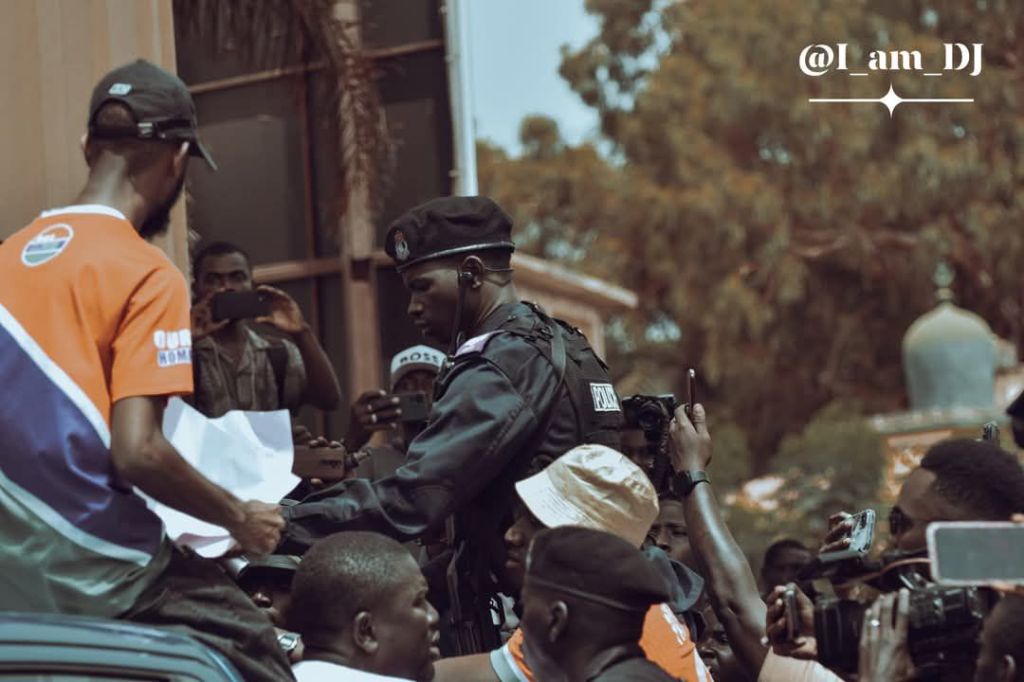
The GALA movement exposed this script. For months, journalists, activists and opposition MPs demanded transparency on the Jammeh asset sales. The response? Silence. Then, the protests erupted—and suddenly, the National Assembly remembered it had a fiduciary duty to the public.
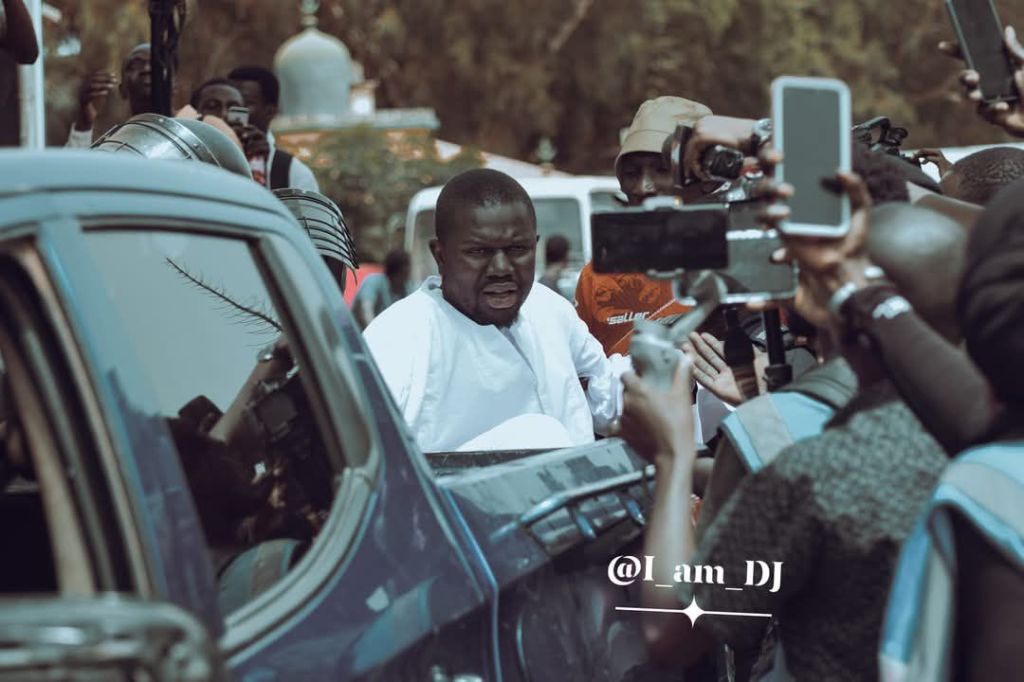
Why Must Democracy Come with a Street Fee?
Accountability shouldn’t require a showdown. If leaders genuinely believe in their oaths, then:
- Proactive disclosure should be default, not a concession.
- Public assets should be tracked like a CV for a job application.
- Whistleblowers should be protected, not persecuted.
Yet, in The Gambia, we’ve normalized a system where transparency is a favor, not a right—a prize won only after mass mobilization.
The Way Forward
The GALA protests worked—but they shouldn’t have been necessary. If this government wants to prove it’s different from Jammeh’s regime, here’s the bare minimum:
✔ Publish the Jammeh asset sale records—fully, not in redacted scraps.
✔ Pass the long-promised Freedom of Information Bill—without loopholes.
✔ End the culture of impunity—investigate corruption at all levels.
Otherwise, the next generation won’t just protest—they’ll rebuild the system entirely.
Final Thought
Governments love to preach “rule of law” until the law demands they open their books. The Gambia’s youth have shown they won’t settle for crumbs. The question now: Will the state finally respect its own laws, or will it keep forcing citizens to march beyond the pines just to be heard?
🗣️ Your Turn: Should transparency require a protest? Comment below.
📌 The Herald Whistleblower – Speaking Truth to Power Since 2020

