By: Abdallah Khabib Jallow
November 20, 2023
In recent times, The Gambia has grappled with a surge in illegal migration, as its youth embark on desperate journeys seeking a better future, often resulting in tragic losses at sea. Despite the gravity of this dilemma, questions persist regarding its absence from the government’s priority list, with the nation’s Presidency notably silent on the matter.
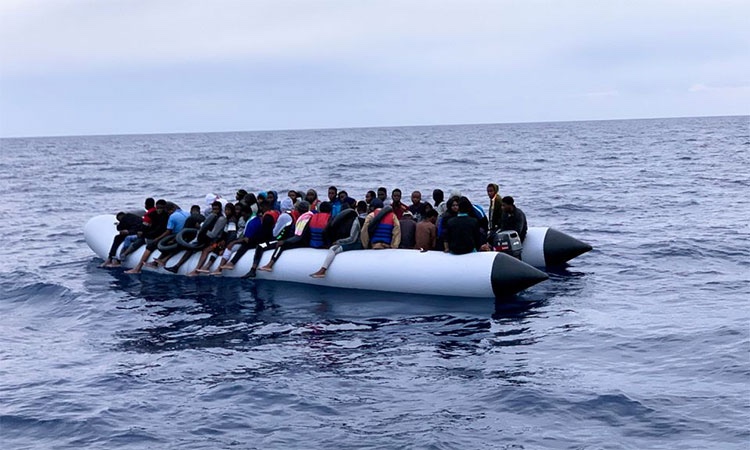
Personal narratives, such as Ebrima Ndure’s, shed light on the intricate facets of the crisis. Faye openly wonders if the nation’s leadership is fully aware of the gripping crisis, leaving many to question the authorities’ dedication to addressing this urgent issue.
A grieving mother, who lost her son during a perilous journey to Spain, speculates that the government’s silence may stem from a lack of viable solutions for the youth. This raises crucial concerns about the government’s ability to provide alternatives that could dissuade young Gambians from undertaking such hazardous journeys in search of a better life.
Ismaila Barrow, a 20-year-old contemplating such journey, boldly states, “The government can’t cage us here since they have no realistic plans for us; we have no choice but to leave this country.” This sentiment underscores the urgency for the government to formulate comprehensive strategies. These strategies should not only address the immediate challenges of illegal migration but also offer viable prospects for the youth within the country.
The surge in illegal migration has far-reaching implications for The Gambia. Beyond the evident dangers faced by those embarking on treacherous journeys, it signifies a potential brain drain, with the nation’s most ambitious youth seeking opportunities abroad. This situation prompts questions about the government’s responsibility to safeguard its citizens and provide them with a hopeful future within their homeland.
As The Gambia confronts this critical issue, calls from citizens and observers alike for a more proactive government approach intensify. A comprehensive dialogue involving all stakeholders is imperative to address the root causes and develop sustainable solutions that deter illegal migration while fostering opportunities for the nation’s youth.
The World Bank’s insight, highlighting insufficient opportunities for formal employment and low income rates, adds a factual dimension to the analysis. “Slow economic growth, limited employment opportunities, and food insecurity contribute significantly to the dramatic increase in migration,” according to the World Bank.
Amidst this growing concern, the nation anxiously anticipates a government response, hoping for a constructive and concerted effort to tackle the issue of illegal migration and ensure a brighter future for the country’s youth.

