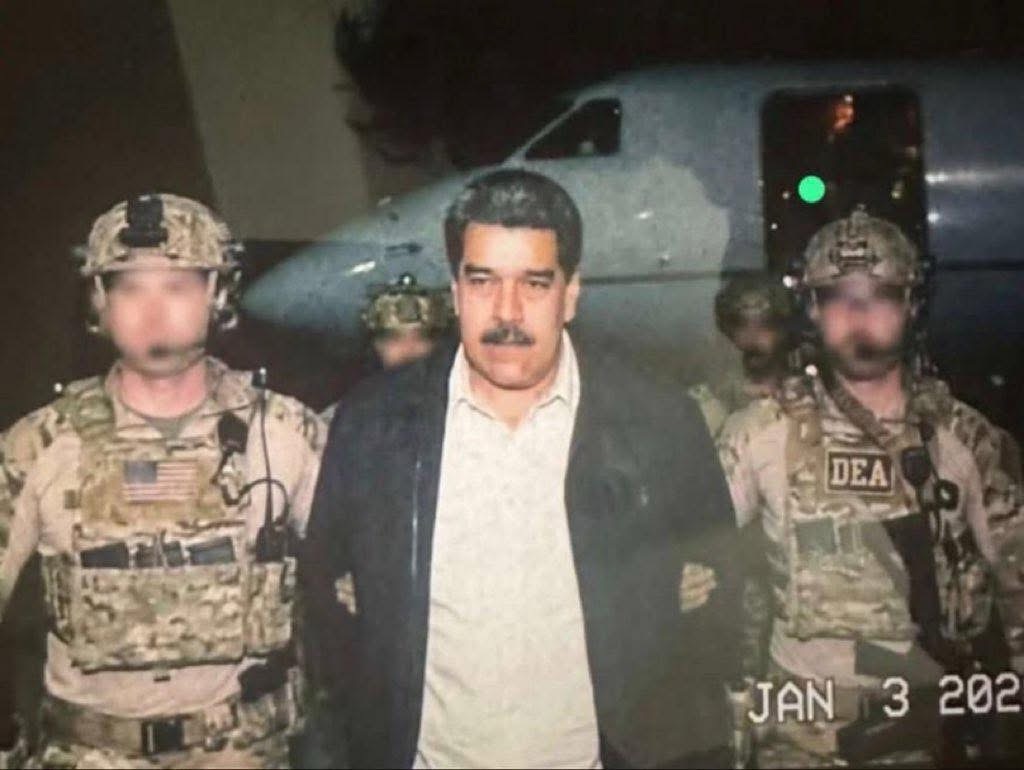
The capture of Nicolás Maduro is being packaged as a triumph—a decisive blow struck by the strong against the defiant. Yet to those who have watched the long arc of American intervention, this moment feels less like an end and more like a familiar, tragic prologue.
The Trump administration’s sanctions and the operation against Maduro are presented as necessary, moral actions. But history whispers a caution: we have seen this before. From Saddam Hussein’s capture to the fall of Tripoli, the same script plays out—the swift spectacle of force, followed by the long, untelevised unraveling. The notion that removing one figure ends a crisis ignores the complex realities on the ground, where power vacuums invite chaos, and regional actors like Colombia’s ELN wait in the wings.
This action, justified under the banner of democracy and stability, lays bare a deeper contradiction. As voices from Rep. Thomas Massie to protesters in Barcelona highlight, there is growing dissent, even within America’s own political landscape, against endless foreign interventions. The question is not whether the U.S. military can topple a government—it has proven it can—but whether it can build anything lasting in its place. From Iraq, Vietnam to Libya, the answer has been a devastating no.
Moreover, the selective outrage reveals a uncomfortable hypocrisy. The same government that acts as prosecutor and judge abroad overlooks profound moral failings at home. As one critic starkly put it, the U.S. has “committed more war crimes than humanitarian aid.” This is not an anti-American stance, but a plea for consistency: a nation cannot claim moral leadership while its actions perpetuate cycles of violence and instability.
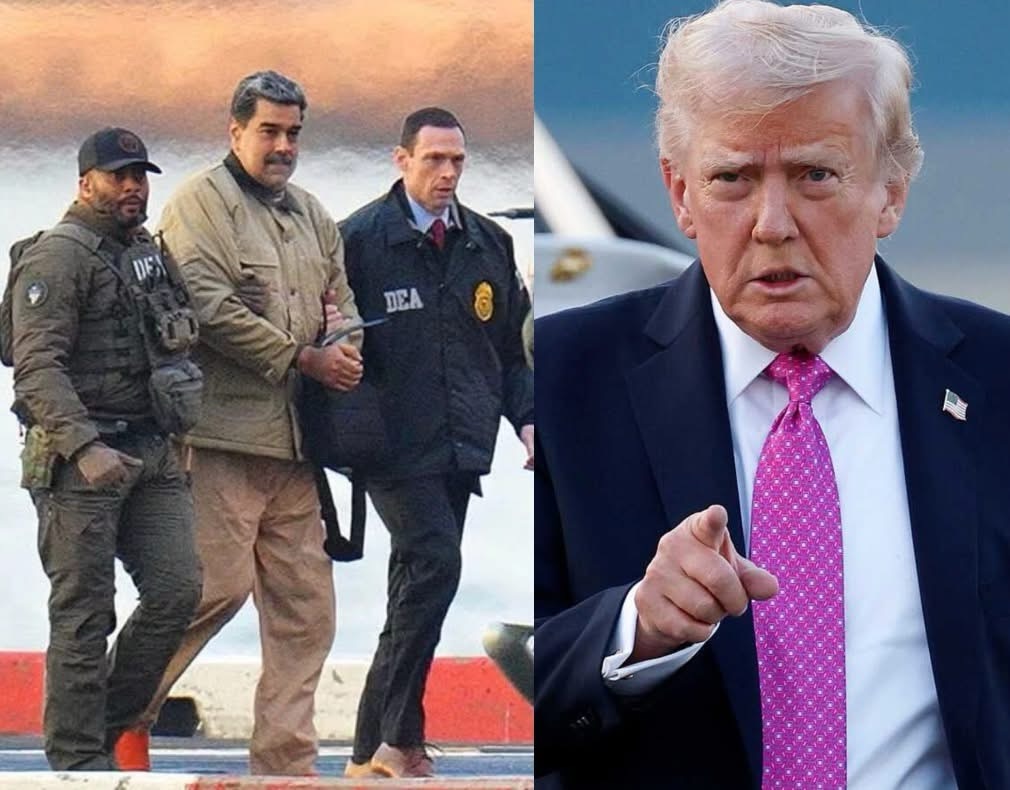
The solidarity expressed by Palestinians and others reminds us that this is not just about Venezuela—it is about a pattern. A pattern of intervention that rarely leads to liberation, often leads to ruin, and always reinforces a world order where sovereignty is conditional. The brute force of sanctions and strikes may bend a nation, but it cannot unite it, nor can it command lasting allegiance.
In the end, the capture of Maduro—who pleaded not guilty in a New York court—may prove to be a Pyrrhic victory. It may rally a base, it may project strength, but it does not address the fundamental truth: you cannot sanction a nation into stability, nor bomb it into democracy. The greatest threat to American power may not be abroad, but within—a loss of legitimacy, a growing domestic disillusionment, and the erosion of the very principles it claims to uphold.
The world is watching, and the verdict of history is often unforgiving. As one observer noted pointedly: The USA itself will destroy the USA. Not through foreign defeat, but through the endless repetition of its own mistakes.
In Opinion — By Aldallah Khabib Jallow
 TheHeraldWhistleBlower
“The US has engaged in more wars than providing humanitarian aid.” This is the absolute truth. They have no moral high ground to preach about peace, as they do not exemplify it themselves.
LikeLiked by 1 person
The best comment I’ve received so far.
You can’t give a better diagnostic description of the US propaganda than this. It’s a crazy world but they keep making us believe they doing this crackdowns to restore sanity. The truth is far from that; they have more than enough civil issues to talk themselves.
LikeLike