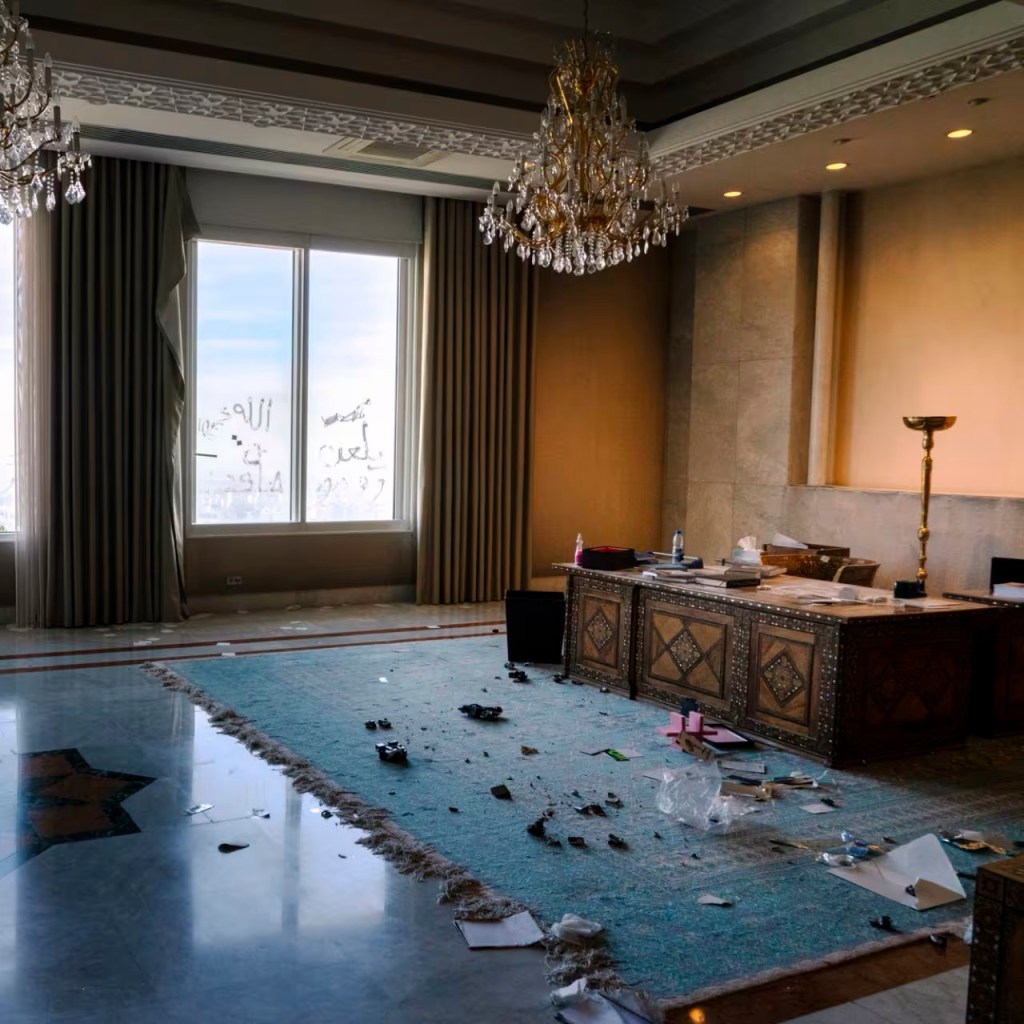
Inside Assad’s Ransacked Palace: Anxiety Pills, Graffiti and Shredded Posters
A Wall Street Journal reporter in Damascus tours the deposed dictator’s former home, office and underground bunker
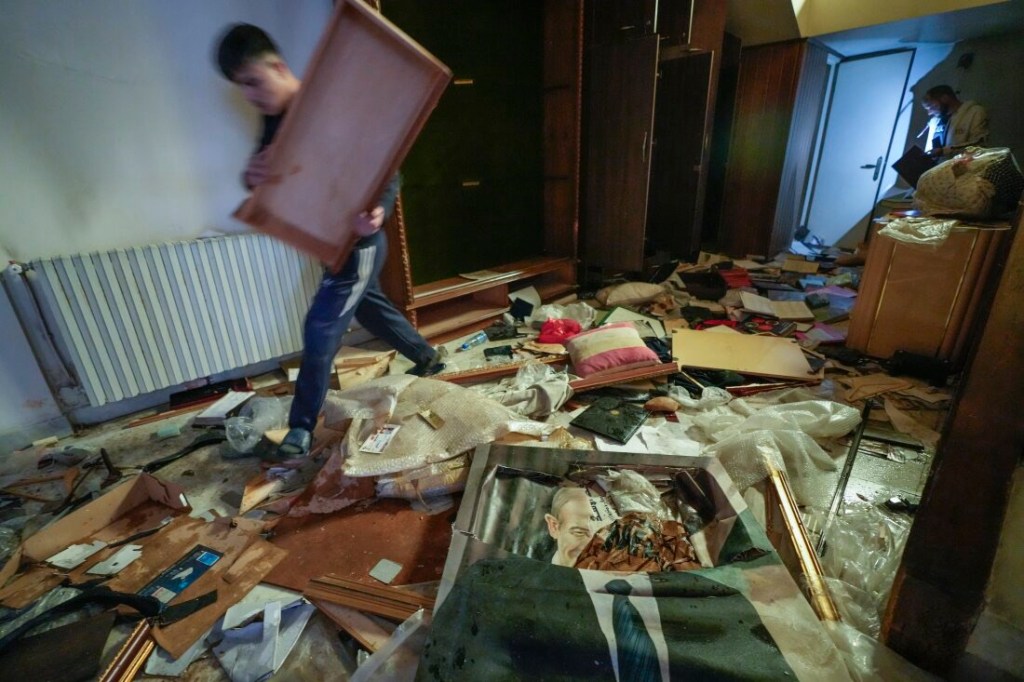
The recent report by The Wall Street Journal takes us on an eye-opening journey through the remnants of a once-magnificent palace belonging to Syrian President Bashar al-Assad. This exploration reveals not just the physical devastation but also the psychological undercurrents gripping a regime that has faced years of conflict and isolation.
As we navigate through the halls, the evidence of life within this palace tells a haunting story. Anxiety pills found scattered throughout suggest a leader plagued by fear and uncertainty, while graffiti left by rebels speaks volumes about the defiance against oppression. The shredded posters, remnants of fervent propaganda, illustrate the crumbling facade of authority and control that once defined Assad’s regime.
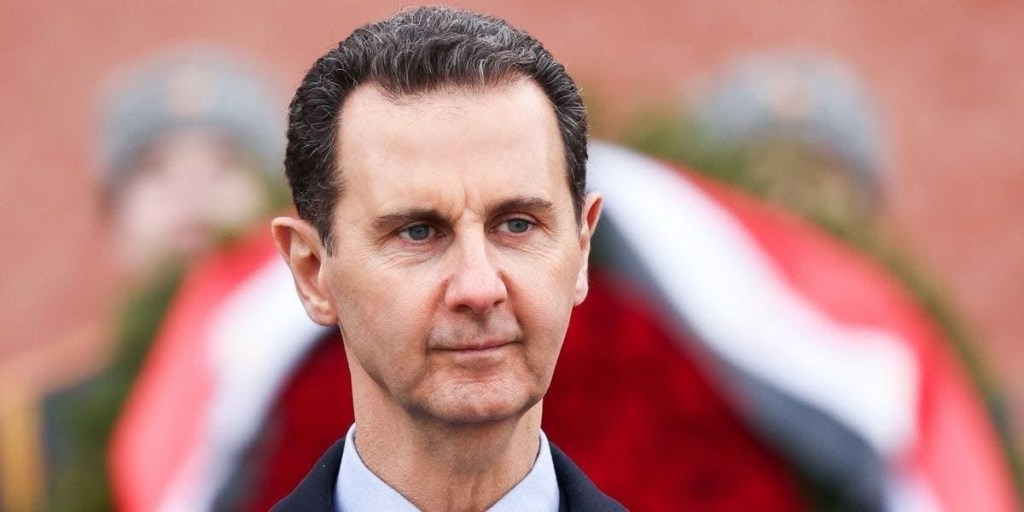
The journey through this space highlights the broader implications of governance during conflict. It raises critical questions about leadership under pressure and the lasting impact of conflict on psychological well-being. The images and narratives emanating from this site not only provide a glimpse into Assad’s deteriorating grip on power but also serve as a stark reminder of the human cost of prolonged unrest.
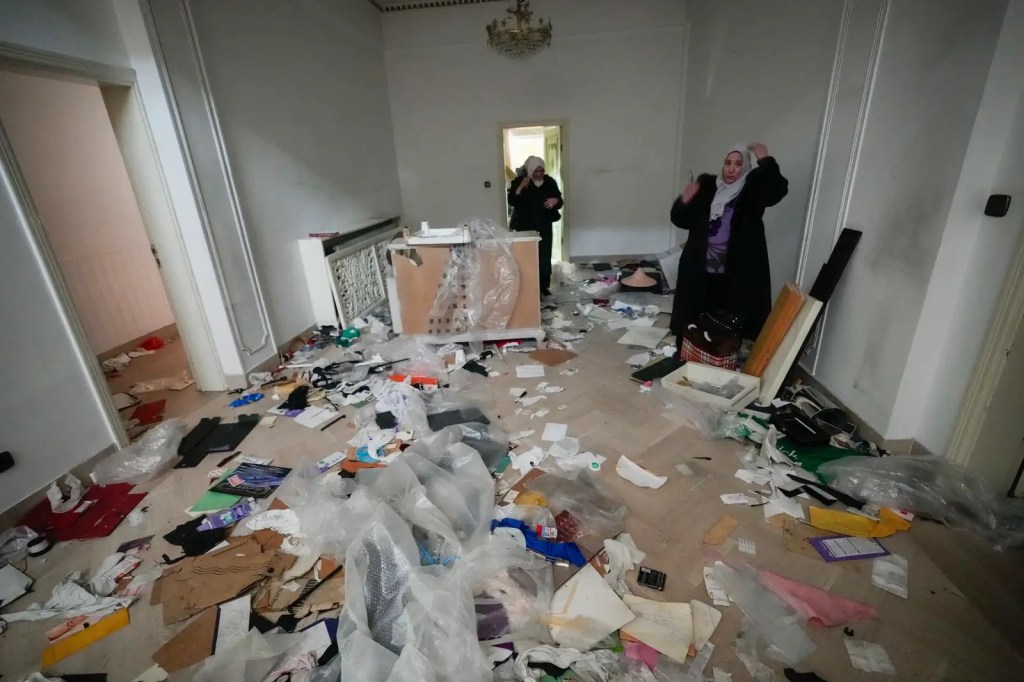
Join the conversation around the implications of such insights on leadership and governance in crisis situations. How do leaders cope with the pressures of their position, especially in the face of public dissent? What lessons can be learned from the remnants of authoritarianism?
Tune into #TheInformer for more insightful discussion.⤵️
 TheHeraldWhistleBlower